


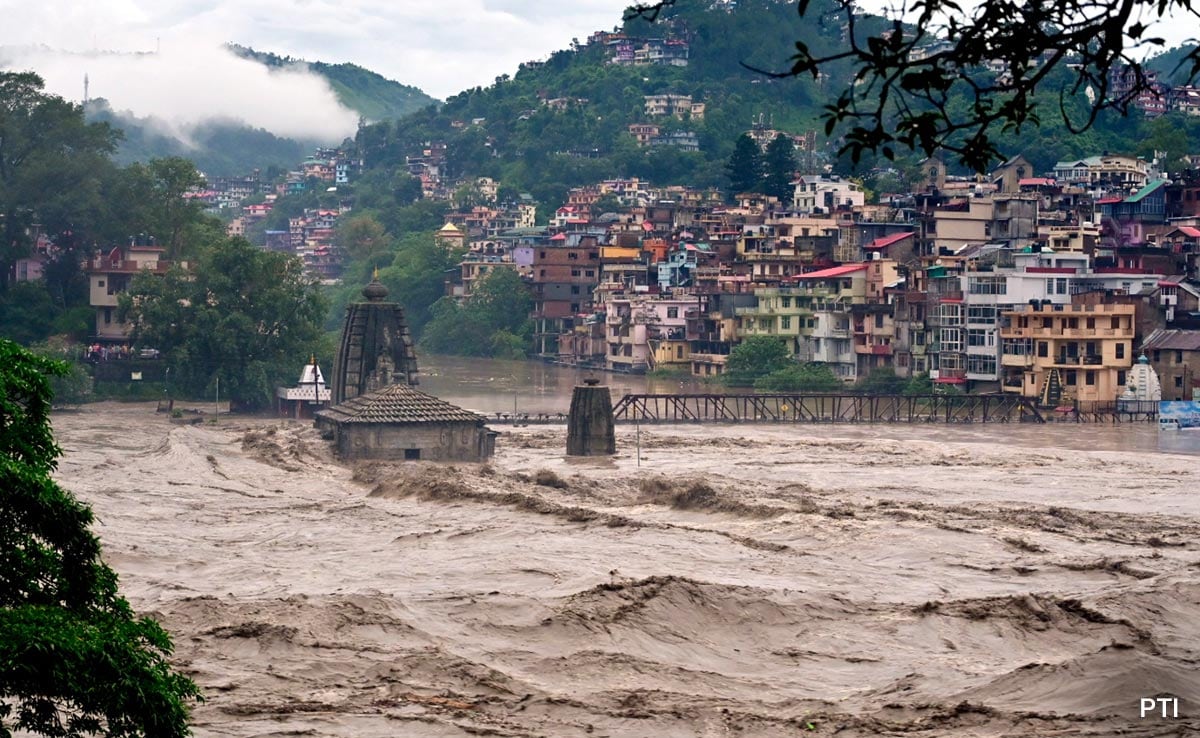
As monsoon intensifies across north and western India, the State Emergency Operations Centre (SEOC) in Uttarakhand has issued a high-alert landslide warning for four hilly districts—Tehri, Uttarkashi, Rudraprayag, and Chamoli. The advisory, issued on the back of alerts from the India Meteorological Department (IMD) and Geological Survey of India (GSI), remains in effect for July 7 and 8, citing potential slope failures, waterlogging, and road blockages triggered by persistent heavy to very heavy rainfall.
Officials monitoring the situation stated that rainfall accumulation and localised saturation of soil layers have heightened risks in these vulnerable districts. With critical infrastructure such as roads and communication networks susceptible to disruption, emergency response teams have been kept on standby. State authorities have also issued public advisories, cautioning residents and travellers against venturing into high-risk zones. Meanwhile, the IMD has placed multiple weather alerts across central and western India. A red alert has been announced in parts of Madhya Maharashtra, where isolated areas may receive extremely heavy rainfall coupled with thunderstorm activity and lightning strikes. This includes regions already reeling from early monsoon downpours, further compounding concerns about flood control, urban drainage, and agricultural damage.
Neighbouring states have also been impacted. An orange alert has been declared in parts of Gujarat, Vidarbha, and the Konkan-Goa belt. These areas are expected to witness sustained heavy showers, strong winds, and thunderstorm conditions throughout the day. Local administrations have been urged to monitor river levels, dam discharges, and ensure early warning dissemination to remote communities. In the National Capital Region, the monsoon made a modest appearance on Monday morning. Delhiites woke up to light rainfall, which helped ease air pollution levels and lower daytime temperatures. According to IMD officials, the Capital will likely experience light to moderate showers over the next few hours, accompanied by winds reaching 30–40 km/h and occasional lightning. While not severe, these conditions may lead to traffic disruptions in low-lying pockets of the city.
Climate analysts and sustainability advocates suggest that these erratic rainfall events and intensifying monsoons highlight the urgent need for climate-resilient infrastructure, decentralised drainage planning, and improved slope stability assessments in hilly terrain. The vulnerability of India’s monsoon belt underscores a pressing need for stronger coordination between meteorological agencies and disaster management units. With seasonal variability expected to grow under changing climate conditions, the importance of adaptive land-use practices and sustainable urban planning takes centre stage. Experts recommend integrating weather data into early warning systems and risk-sensitive zoning regulations to build long-term resilience.
While the current spell offers much-needed relief from heatwave conditions experienced last month, the human and infrastructural cost of unmitigated rainfall remains a central concern. The coming days will be crucial in assessing how responsive administrative machinery is to evolving weather patterns and how effectively public safety measures are deployed.
Also Read : Pune Airport introduces meet and greet and porter services to ease passenger travel
