


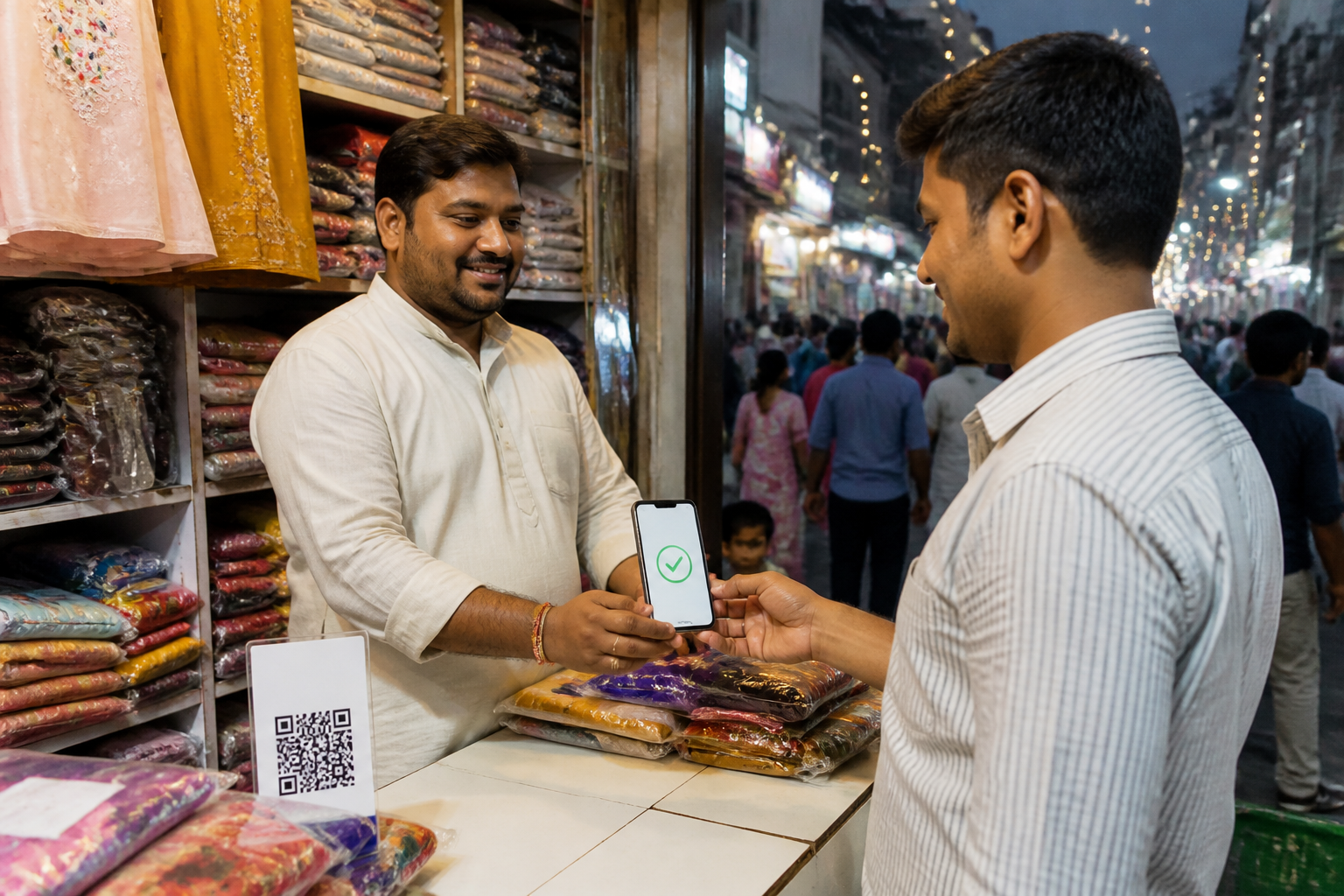
Proposed UPI MDR charges have faced resistance from trader organisations, which have written to Finance Minister Nirmala Sitharaman seeking a delay in implementation from October 15 to January 1, 2027. The request comes before the festive season, when merchants typically see higher digital-payment activity.
The trader bodies told the Finance Minister that merchants remain unclear about the proposed charging structure and need more time to understand how it would affect their businesses. They have also decided to begin an awareness campaign across the country to explain the framework to traders.
Under the proposed system, a Merchant Discount Rate of 0.4 per cent would apply to select person-to-merchant UPI transactions above Rs 2,000. A merchant receiving an applicable payment of Rs 3,000 would pay Rs 12 as MDR, while a Rs 50,000 transaction would attract a charge of Rs 200. For transactions of Rs 75,000 and above, the MDR would be capped at Rs 300 per transaction.
The proposed charges would not apply to every UPI payment. More than 95 per cent of UPI person-to-merchant transactions are expected to remain outside the framework, according to the background provided in the report. Small merchants operating under the person-to-person merchant model would continue to receive zero MDR.
Certain categories would have separate charges. Railway payments, telecom services, insurance and fuel transactions above Rs 2,000 would attract a flat MDR of Rs 5. Capital-market payments, including transactions involving mutual funds, securities, stock brokers and dealers, would attract an MDR of 0.02 per cent, subject to a maximum of Rs 300 per transaction.
The proposed framework is structured as a merchant-side charge rather than a consumer fee. Consumers would not face a monthly quota or cap on free UPI usage under the plan. Banks have also been advised to ensure that merchants do not pass the MDR cost on to customers.
The trader organisations are seeking the delay primarily because of uncertainty over the new structure and its operational effect on businesses. Moving the proposed rollout beyond the festive season would give merchants additional time to understand the categories, rates and compliance requirements, according to their request.
The framework also proposes that 5 per cent of total MDR collections be allocated to a dedicated fund supporting UPI acceptance among small merchants. The collected MDR would be shared among participants in the UPI ecosystem and is expected to support UPI expansion, cybersecurity and innovation. The proposed rates are still expected to remain lower than charges generally applied to cards and digital wallets.
The Finance Ministry’s response to the traders’ request and any decision on whether to move the October 15 implementation date remain awaited. The trader organisations’ proposed awareness campaign is the next stated step before the framework takes effect.
