


Telangana plans to present a five-month El Niño preparedness programme estimated at around Rs 10,000 crore at a climate conclave scheduled during the Global Summit in December, Irrigation Minister Uttam Reddy said on November 24.
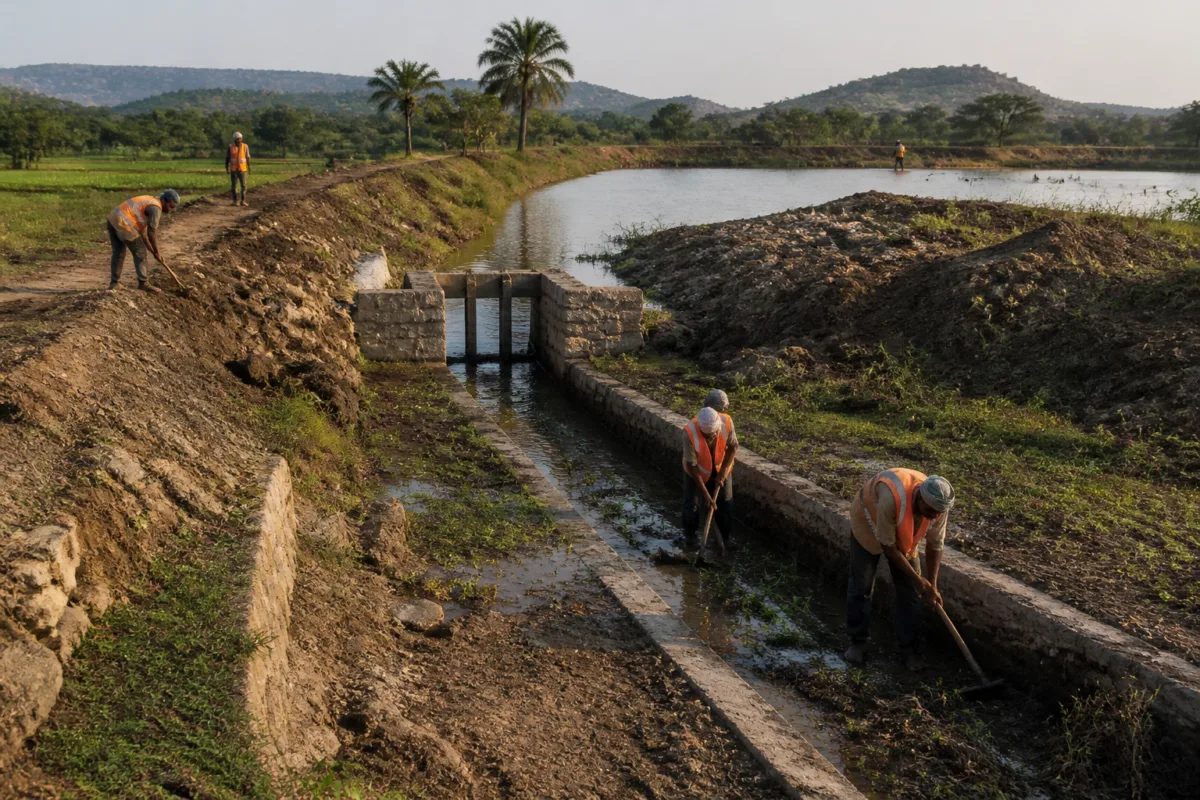
The three-day Global Summit is scheduled to begin on December 7 at Bharat Future City. The preparedness programme is expected to be implemented by the Irrigation and Panchayati Raj departments, with work focused on restoring tanks, streams and canals, recharging groundwater, conserving rainwater and protecting water resources in rural areas.
Reddy said the works would cost nearly Rs 2,000 crore a month after Sankranti in January. The report does not specify the funding source, project-wise allocation, procurement method or the districts that would be covered.
The minister directed officials to use presentations at the conclave to explain the government’s measures for protecting drinking-water and food security in potential drought conditions. Farmers are also being encouraged to adopt alternative crops instead of water-intensive paddy, with the stated aim of conserving water in reservoirs until the next monsoon.
The proposed programme places water storage and recharge assets at the centre of the state’s climate-preparedness approach. Tanks, canals and streams can support irrigation and local water availability, while groundwater recharge and rainwater conservation are intended to improve resilience during periods of deficient rainfall. The source report, however, provides no targets for restored assets, recharge capacity or expected beneficiaries.
The climate conclave will also discuss renewable-energy expansion, the reuse of treated wastewater in industry and measures aimed at moving Telangana towards net-zero goals. Officials told the review meeting that data centres in the state were already required to source at least 51 per cent of their electricity from renewable sources.
A dedicated investors’ platform is planned to explore opportunities in renewable energy, green credits, ecotourism and the circular economy, including waste recycling. The government is expected to use the conclave to advance its vision of positioning Telangana as a model for climate-resilient and sustainable development.
Environmental experts, scientists, water-conservation specialists, public representatives, social activists and investors are expected to attend. About 125 rural representatives, including sarpanches and other grassroots stakeholders, are also expected to participate.
The agenda will cover water security, climate-resilient systems, biodiversity conservation, rising urban temperatures, agriculture and clean energy. For cities and growing urban regions, the inclusion of urban heat, treated wastewater and renewable energy links the proposed rural water works to wider questions of climate adaptation and resource management. The effectiveness of the programme will depend on the eventual project list, funding approvals, implementation schedule and monitoring mechanisms, none of which were detailed in the announcement.

