


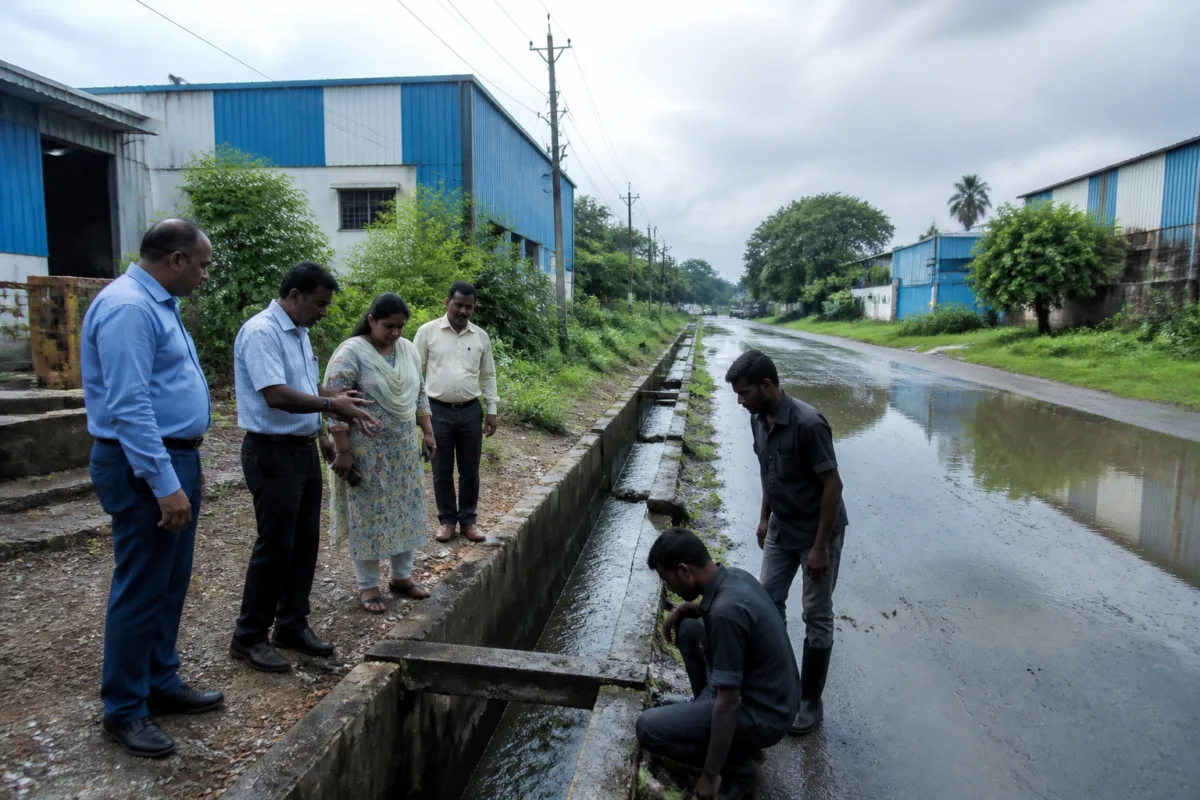
Tamil Nadu has ordered the formation of district-level monitoring committees to protect and support micro, small and medium enterprises (MSMEs) located in areas vulnerable to floods and heavy rain, according to a report by Dinamalar.
The directive was issued by state Minister for Micro, Small and Medium Enterprises Madhan Raja to officials. The committees will focus on industrial estates operated by the Tamil Nadu Small Industries Development Corporation, known as SIDCO, as well as other areas where MSMEs may face weather-related disruption.
The minister has instructed officials to give special attention to the safety and rehabilitation of enterprises affected by flooding and heavy rain. The order calls for SIDCO and the respective District Industries Centres to work together to identify factories that could be vulnerable to flooding and examine the routes available for draining rainwater.
The district-level committees will be responsible for continuing to monitor precautionary measures intended to prevent flood damage. Each committee will include the General Manager of the District Industries Centre, the branch manager of the Tamil Nadu Small Industries Development Corporation and a district representative of associations representing small and micro industries, the report said.
The proposed arrangement places district industrial officials, SIDCO representatives and industry associations in a single monitoring mechanism. Their immediate responsibilities will include identifying vulnerable factories, reviewing water-discharge routes and tracking preventive action in industrial estates and other MSME clusters exposed to flooding or intense rainfall.
For MSMEs, the order links disaster preparedness to both physical protection and rehabilitation. The source report does not specify the number of districts, the industrial estates to be covered, the committee meeting schedule or a separate funding allocation for the programme. It also does not state whether the committees will have powers to order drainage works or coordinate with municipal and revenue authorities.
The directive comes as a district-level administrative response to the risks faced by enterprises in flood-prone locations. Its implementation will depend on the identification of vulnerable units, the condition and capacity of water-drainage routes, and coordination between SIDCO, District Industries Centres and industry representatives.
The committees are expected to continue monitoring preventive measures in each district. The government’s order, as reported by Dinamalar, does not provide a public timeline for completing the vulnerability assessment or the drainage-route inspections.

