Tamil Nadu builds momentum for port-led logistics to power next industrial leap
Tamil Nadu is charting an ambitious course to become a logistics powerhouse by integrating its vast port infrastructure with smart, sustainable, and multimodal transport systems. At the sixth edition of the Southern Regional Shipping Conclave in Chennai, policymakers, industry leaders, and supply chain experts came together to assess the state’s trajectory in port-led logistics — and what needs to happen next to stay competitive in the global trade arena.
With over 1,000 km of coastline and three major ports — Chennai, Kamarajar (Ennore), and VOC Port — Tamil Nadu already commands a leading position in India’s container and automobile exports. But as trade volumes surge and industrial corridors mature, the spotlight is now on making the entire supply chain smarter, faster, and greener. Organised by the Southern India Chamber of Commerce and Industry (SICCI) in partnership with the Association of Multimodal Transport Operators of India (AMTOI), the conclave revealed both promise and pain points in Tamil Nadu’s logistics journey. Experts underscored a pressing need for better coordination between transport modes, higher digital penetration, and a firm commitment to sustainability.
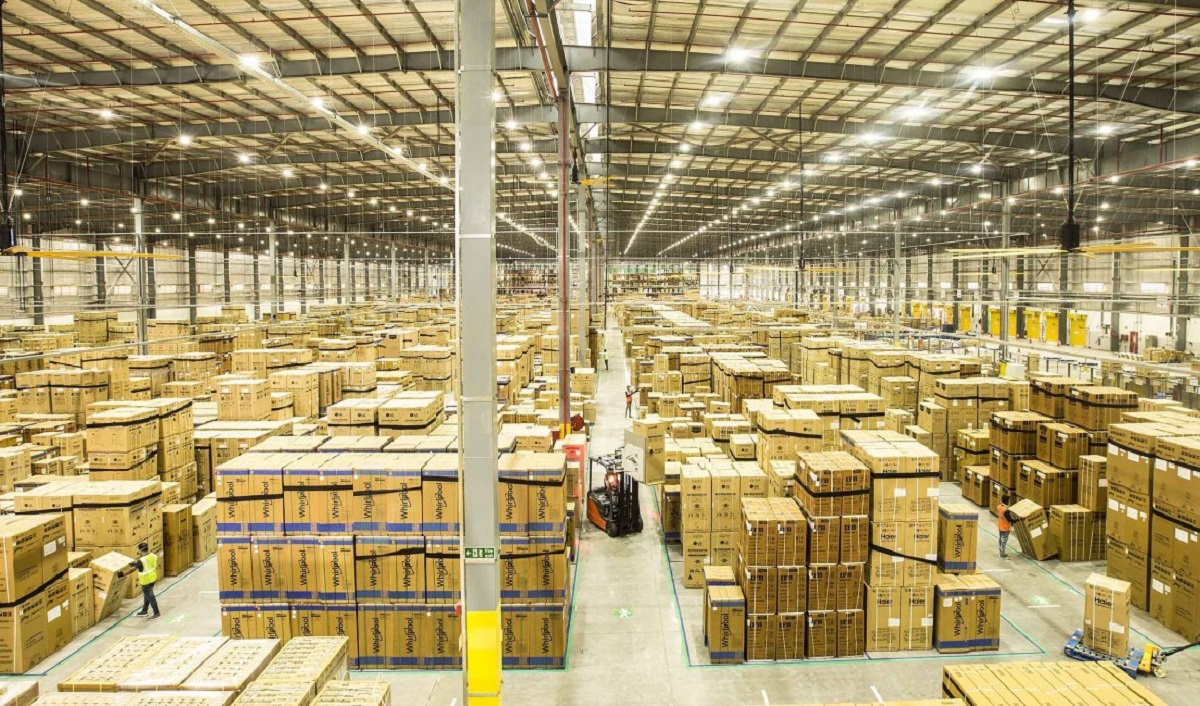
“Tamil Nadu has the ports, corridors, and policy intent. What’s missing is real-time integration of systems and smoother flow of cargo across nodes,” said Senior Officials of SICCI. “Digital silos, manual processes, and fragmented supply chains are still holding us back.” The state’s logistics fundamentals are undeniably strong. It hosts a dense network of industrial hubs and has benefited from central and state-level infrastructure push. Chennai alone has emerged as a warehousing magnet, recording over 20 million sq. ft of leasing since 2021. Coimbatore and Hosur too have seen a spike in demand, driven by e-commerce, manufacturing, and institutional capital inflows.
However, this rapid growth is exposing inefficiencies in cargo movement. Tamil Nadu’s logistics costs remain stubbornly high — hovering between 13 to 14 percent of GDP — well above global benchmarks. The existing dependency on road transport is both costly and environmentally taxing, while multimodal corridors are still at various stages of development. Senior Official of Chennai Port Authority, detailed the initiatives underway to modernise port operations and reduce the carbon footprint. These include deploying onshore power supply systems at Kamarajar Port, adopting green tugs, building a dedicated parking plaza to ease congestion, and pushing ahead with a multimodal logistics park. “Green infrastructure and digital standardisation are not optional anymore,” he said. “They are essential if Tamil Nadu wants to play in the global logistics league.”
One of the most significant outcomes of the conclave was the release of a detailed shipping and logistics report by SICCI and the Centre for Excellence in Logistics and Supply Chain Management (CoELSCM). The report projects the state’s logistics sector to grow from $48.1 billion in 2021 to $250 billion by 2030, backed by an investment pipeline of ₹10,000 crore. It also highlighted new multimodal logistics parks proposed in Madurai and Kattupalli — a strategic shift aimed at decongesting Chennai and improving cargo flow in southern and northern parts of the state. These parks are expected to improve rail-road-sea linkages, reduce last-mile inefficiencies, and enable just-in-time cargo handling for industries.
Despite being ranked among the top ‘Achievers’ in the national LEADS (Logistics Ease Across Different States) index, Tamil Nadu’s logistics sector still faces a structural challenge: the absence of a unified, digitally enabled supply chain. Ports, highways, rail freight terminals, and warehouses often operate in isolation, with minimal interoperability or shared data systems. “Policy and capital are not the problem anymore. The challenge is execution — making the infrastructure talk to each other,” said an industry executive attending the conclave.
Digitalisation emerged as a common thread through every panel discussion. Experts called for a statewide logistics platform that enables real-time cargo tracking, seamless documentation, and integration with customs and clearance bodies. Such a move, they argued, would also reduce turnaround times and improve transparency across the freight ecosystem. The conclave also zeroed in on the talent challenge. A large section of the logistics workforce in Tamil Nadu remains unorganised and digitally untrained, making the transition to tech-driven operations slower than expected. Senior Official of the Tamil Nadu Apex Skill Development Centre for Logistics, emphasized the urgency of aligning skilling programs with emerging technologies such as warehouse automation, AI-backed cargo analytics, and digital fleet management.
“Warehouses are no longer just storage spaces — they are smart, tech-intensive units. We need a workforce that can match that evolution,” he noted. Industry leaders urged policymakers to speed up procedural clearances, implement uniform policies across districts, and adopt best practices from global logistics hubs. Many also pushed for public-private partnerships to build resilient supply chains that are both economically and environmentally sustainable. Ultimately, the consensus at the conclave was clear: Tamil Nadu’s logistics future will not be defined by how many ports or warehouses it builds, but by how efficiently it can move a product from the factory floor to the vessel — and from there to the global market.
The roadmap ahead demands collaborative governance, intelligent infrastructure, and a digital-first mindset. If Tamil Nadu can get that right, it won’t just lead India in logistics — it will become a global benchmark.