


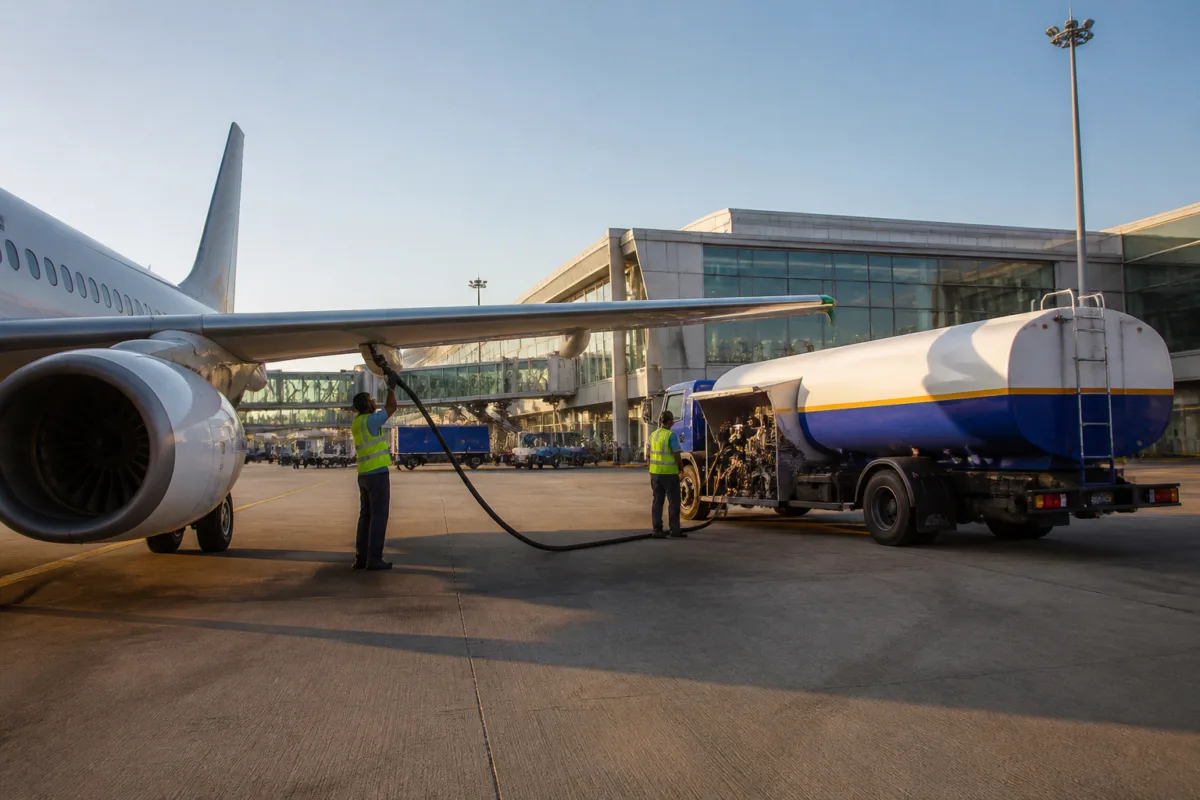
Tamil Nadu will sharply reduce the value-added tax on aviation turbine fuel sold to aircraft from 1 November, cutting the levy at Chennai airport from 29% to 16% and at other airports, including Coimbatore and Madurai, to 1%. The reduction will remain in force until 31 October 2027, according to a commercial taxes department government order reported by Dinamalar.
The change applies to aviation fuel sold for aircraft refuelling in the state. At airports outside Chennai, the tax on fuel supplied to aircraft will fall from 29% to 1%. For smaller aircraft weighing less than 40,000 kg, the tax on fuel supplied at airports outside Chennai will also be reduced from 5% to 1%. The report did not specify a separate reduction for such aircraft at Chennai airport.
Aviation fuel is a major component of airline operating costs, accounting for up to 50% of total expenditure, according to the report. Airlines had asked the Tamil Nadu government to lower the tax, arguing that the comparatively high levy increased ticket prices and discouraged carriers from introducing new services to cities in the state.
The tax reduction is expected to lower operating costs for airlines using Tamil Nadu airports. The government said the measure could support additional flight services, new routes and increased aircraft operations beyond Chennai. Any reduction in passenger fares or expansion of services, however, will depend on decisions taken by individual airlines.
The move is particularly relevant to Tamil Nadu’s regional airports, where fuel taxation has been reduced more sharply than at Chennai. Coimbatore and Madurai are among the airports identified in the report, while the order also covers other airports across the state. The lower levy is intended to make these airports more competitive as refuelling points and support air links between cities.
The minister, Keerthana, described the decision as a milestone for Tamil Nadu’s aviation sector in a statement cited by Dinamalar. She said the lower tax would make air travel easier, improve the competitiveness of regional airports and encourage airlines to expand beyond Chennai. The statement also linked better air connectivity with tourism, trade and opportunities for businesses and passengers across the state.
The order includes a reporting requirement for oil companies. Each month, fuel suppliers must obtain declarations from airlines containing details of their aviation operations and submit them to the assessing officer along with their monthly tax returns. This requirement will form part of the mechanism for administering the reduced rates.
The new rates will take effect on 1 November 2026 and are scheduled to continue through 31 October 2027, subject to the terms of the government order. The implementation of new routes, higher flight frequencies or lower ticket prices will depend on airline responses after the tax change begins.

