


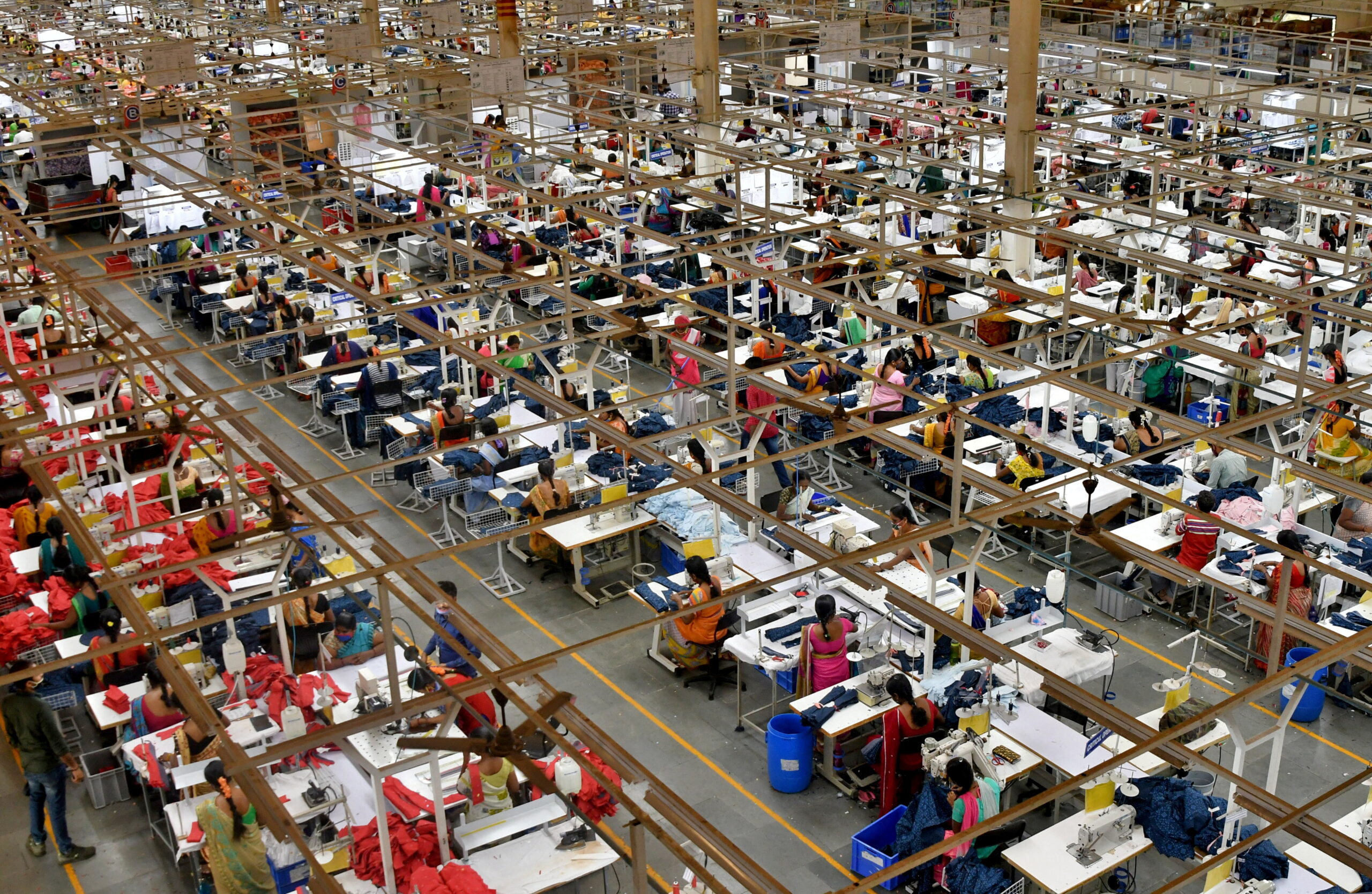
Surat is increasingly being positioned as a critical driver of India’s industrial and economic growth, with policymakers highlighting the city’s expanding manufacturing base and export capabilities as central to the country’s development trajectory. The assessment reflects a broader recognition of tier-two cities as engines of economic activity, particularly as India seeks to strengthen its position in global markets. Known historically for its dominance in diamond processing and textiles, Surat has gradually diversified into new sectors, reinforcing its role as a multi-industry hub.
The city’s industrial ecosystem—supported by strong entrepreneurial networks, skilled labour, and established supply chains—has enabled it to remain competitive even as global market conditions fluctuate. The narrative around Surat industry growth aligns with national efforts to boost domestic manufacturing and reduce reliance on imports. Industry experts note that cities like Surat offer a combination of cost advantages and operational efficiency, making them attractive for both domestic and international investment. This has contributed to the expansion of small and medium enterprises, which form the backbone of the city’s economic activity. From an urban development perspective, sustained industrial growth is closely linked to infrastructure capacity. Surat’s ability to support manufacturing expansion depends on reliable transport networks, energy supply, and urban services. Planners emphasise that continued investment in these areas will be essential to maintain growth momentum while avoiding strain on existing systems. The Surat industry growth trajectory also raises important questions about sustainability. As industrial output increases, so does the demand for resources such as water and energy, along with the generation of waste and emissions. Experts highlight the need for cleaner production practices, efficient resource management, and regulatory oversight to ensure that economic expansion does not come at the cost of environmental degradation. Labour dynamics are another key factor shaping the city’s industrial future. Surat’s workforce includes a large number of migrant workers, whose availability and working conditions directly influence production capacity. Ensuring stable employment, adequate housing, and access to urban services will be critical for sustaining industrial operations and supporting inclusive growth. The city’s growth also has implications for real estate and urban planning. Increased industrial activity often drives demand for commercial spaces, logistics infrastructure, and affordable housing. Without coordinated planning, this can lead to unstructured expansion, congestion, and pressure on civic amenities. Economists suggest that Surat’s evolving role reflects a larger shift in India’s economic geography, where growth is no longer concentrated solely in metropolitan centres.
Instead, a network of smaller cities is contributing to national output, creating new opportunities for regional development. As Surat continues to expand its industrial footprint, the focus will increasingly turn to balancing growth with resilience. The future of Surat industry growth will depend on how effectively the city integrates sustainability, infrastructure planning, and workforce welfare into its development model—ensuring that economic progress translates into long-term urban stability and equitable opportunity.
ALSO READ – Surat Gas Shortage Triggers Textile Worker Exodus
Surat Industry Growth Highlights India Economic Momentum
