


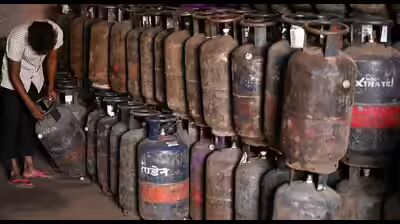
Surat’s textile sector is facing a dual disruption as a gas supply shortage has triggered a decline in industrial activity, prompting migrant workers to return to their home states. The situation is affecting production cycles in one of India’s key textile manufacturing hubs, raising concerns over energy reliability and labour stability in export-driven urban economies. The shortage of industrial gas—critical for operating textile processing units—has forced several manufacturers to scale down or temporarily halt operations.
Industry participants indicate that inconsistent fuel supply has made it difficult to maintain continuous production, particularly in energy-intensive processes such as dyeing and finishing. As output declines, daily-wage and contract workers have begun leaving the city in search of more stable employment opportunities. The unfolding Surat gas shortage highlights a structural vulnerability in urban industrial systems that depend heavily on uninterrupted energy access. Experts note that while cities like Surat have developed strong manufacturing ecosystems, limited diversification in energy sources can expose industries to sudden supply shocks. For migrant workers, who form the backbone of Surat’s textile workforce, the slowdown has immediate economic consequences. Reduced factory operations translate into fewer working hours and lower incomes, making it difficult for workers to sustain themselves in the city. As a result, many are opting to return to their hometowns, leading to a labour shortage that could further delay recovery even if energy supply stabilises. Urban economists point out that such cyclical disruptions can have wider ripple effects on city economies. Declines in industrial output impact not only exports but also local consumption, housing demand, and service sector activity. Areas dependent on rental housing and informal commerce are particularly vulnerable to fluctuations in migrant worker presence. The Surat gas shortage also raises questions about infrastructure planning and energy transition strategies. As industries expand, ensuring reliable and diversified energy sources becomes critical. Experts suggest that integrating alternative fuels, improving supply chain management, and investing in renewable energy solutions could help mitigate future risks. Environmental considerations add another layer to the discussion. While natural gas is often viewed as a cleaner alternative to other fossil fuels, reliance on a single energy source may not be sustainable in the long term. Transitioning towards a mix of cleaner and more resilient energy systems could support both industrial continuity and climate goals. From a governance perspective, the crisis underscores the need for coordinated response mechanisms involving state authorities, energy suppliers, and industry bodies.
Timely interventions, such as prioritised fuel allocation or temporary support measures, could help stabilise production and prevent large-scale workforce displacement. As Surat navigates the immediate impact of the disruption, the focus is likely to shift towards long-term resilience. Addressing the underlying causes of the Surat gas shortage and strengthening both energy and labour systems will be essential to sustaining the city’s industrial growth while ensuring stability for its workforce.
ALSO READ – Surat Export Sectors Hit By Global Instability
Surat Gas Shortage Triggers Textile Worker Exodus
