


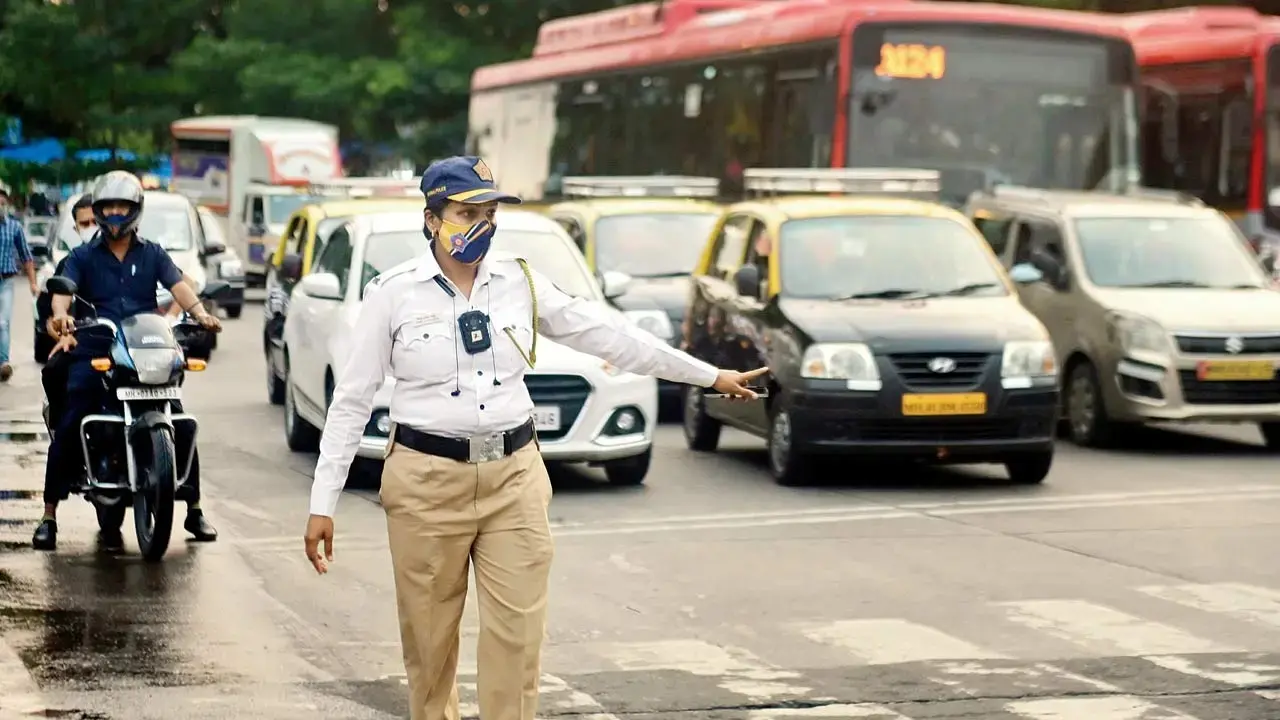
Regulatory gaps in vehicle monitoring systems have drawn attention in Surat after an audit review indicated that a significant number of vehicles with Surat expired vehicle registrations may have continued operating on city roads without adequate enforcement action. The findings highlight concerns about transport oversight in one of Gujarat’s fastest-growing urban centres, where rising vehicle ownership is placing increasing pressure on road safety management systems.
Transport compliance rules require all vehicles to maintain valid registration certificates to legally operate on public roads. These certificates confirm ownership details, regulatory approvals and compliance with safety and pollution standards. However, the audit findings suggest that several vehicles with Surat expired vehicle registrations were still moving through the transport network, raising questions about gaps in monitoring mechanisms. Urban mobility experts say vehicle registration systems form the backbone of modern traffic governance. Registration records are linked to multiple regulatory requirements, including vehicle insurance, pollution checks and road tax compliance. When Surat expired vehicle registrations go unchecked, it can create administrative blind spots that complicate accident investigations, enforcement actions and environmental monitoring. The issue also reflects a wider challenge faced by rapidly expanding cities. Surat’s economic growth, driven by its textile and diamond industries, has led to steady increases in private vehicle ownership and freight movement. As the number of vehicles grows, maintaining accurate transport databases and enforcing regulatory compliance becomes more complex for transport authorities. Transport planners emphasise that digital vehicle registration systems were introduced across India to improve transparency and enforcement. Integrated databases allow authorities to track registration validity, ownership transfers and compliance with pollution norms. However, experts note that enforcement gaps can still occur when field-level monitoring and digital systems are not fully synchronised. Beyond administrative compliance, the presence of Surat expired vehicle registrations on public roads can also have implications for public safety. Vehicles operating without updated documentation may not have undergone mandatory fitness checks or insurance renewals, increasing risks in case of accidents. Ensuring that vehicles remain compliant with registration rules therefore plays a critical role in protecting road users. Environmental experts also highlight that vehicle registration compliance is linked to emission monitoring systems. Updated registration records help authorities track pollution checks and identify older vehicles that may contribute disproportionately to urban air pollution. Urban governance specialists say strengthening monitoring of Surat expired vehicle registrations will require a combination of digital verification tools, roadside enforcement drives and stronger coordination between transport departments and local police.
Automated number plate recognition systems and integrated transport databases are increasingly being used by cities to identify non-compliant vehicles in real time. Officials indicate that strengthening transport compliance will remain a priority as Surat’s vehicle population continues to grow. Addressing the issue of Surat expired vehicle registrations could improve regulatory transparency, enhance road safety and support more accountable urban mobility systems in the city.
ALSO READ – Surat Heatwave Alert Highlights Rising Urban Climate Risks
Surat Expired Vehicle Registrations Raise Road Safety Concerns
