


The Adi Bane Kebang United has agreed to talks on Arunachal Pradesh’s proposed 11,200 MW Siang Upper Multipurpose Project, but only if authorities release all detainees linked to the anti-dam agitation within 48 hours and withdraw criminal cases against them.
The Adi tribal organisation conveyed the conditions in a letter to Chief Minister Pema Khandu’s office on Friday. It said it was willing to participate in a proposed dialogue at Pasighat, where the organisation is headquartered, provided its demands were met.
ABKU president Dijhi Tamuk and general secretary Jirbo Jamoh said in the letter that people detained in connection with the agitation were “neither criminals nor anti-social elements” but ordinary residents opposing what the organisation described as forced pre-feasibility report activities and the proposed dam’s construction without local consent.
The organisation’s decision followed consultations with the Siang Indigenous Farmers’ Forum and the SUMP Affected Area Youth Association, according to ABKU spokesperson Datik Ratan. The three groups have been leading opposition to the project and have organised protests and bandh calls since October over the proposed pre-feasibility report study.
Khandu has repeatedly called on the groups to enter into discussions, saying the immediate issue was the pre-feasibility report rather than construction of the dam. He has also said the project would not be built against the wishes of the people. On Thursday, the chief minister renewed his offer and said he was willing to travel to a location chosen by the protesting organisations. His office had formally invited the ABKU president for talks a day earlier.
The proposed meeting comes after tensions rose following remarks by Tapir Gao, the Bharatiya Janata Party MP from Arunachal East, that the Siang dam would be built regardless. The remarks further angered anti-dam groups, according to the report.
The Siang Upper Multipurpose Project is planned in the Siang Valley and is being projected by the Centre as a strategic hydropower project in response to China’s proposed 60,000 MW project upstream, across the Line of Actual Control. The project has therefore acquired significance beyond power generation, linking local land and livelihood concerns with national security and border infrastructure priorities.
Opposition groups say the project could displace families along the Siang belt and threaten the Adi community’s traditional way of life, which has developed around the river. The community reveres the river as Ane Siang, or Mother Siang. The dispute consequently involves not only the proposed infrastructure but also questions of consent, displacement and the treatment of indigenous communities during the project’s preparatory stages.
ABKU also referred in its letter to violence in Pasighat on October 23, alleging that it followed police action against protesters. The organisation said police used stun grenades against peaceful demonstrators. The report said the unrest included an attack on the National Hydroelectric Power Corporation office, as well as attacks on the residences of Arunachal Pradesh BJP president Kaling Moyong and MLAs Ninong Ering and Oni Panyang.
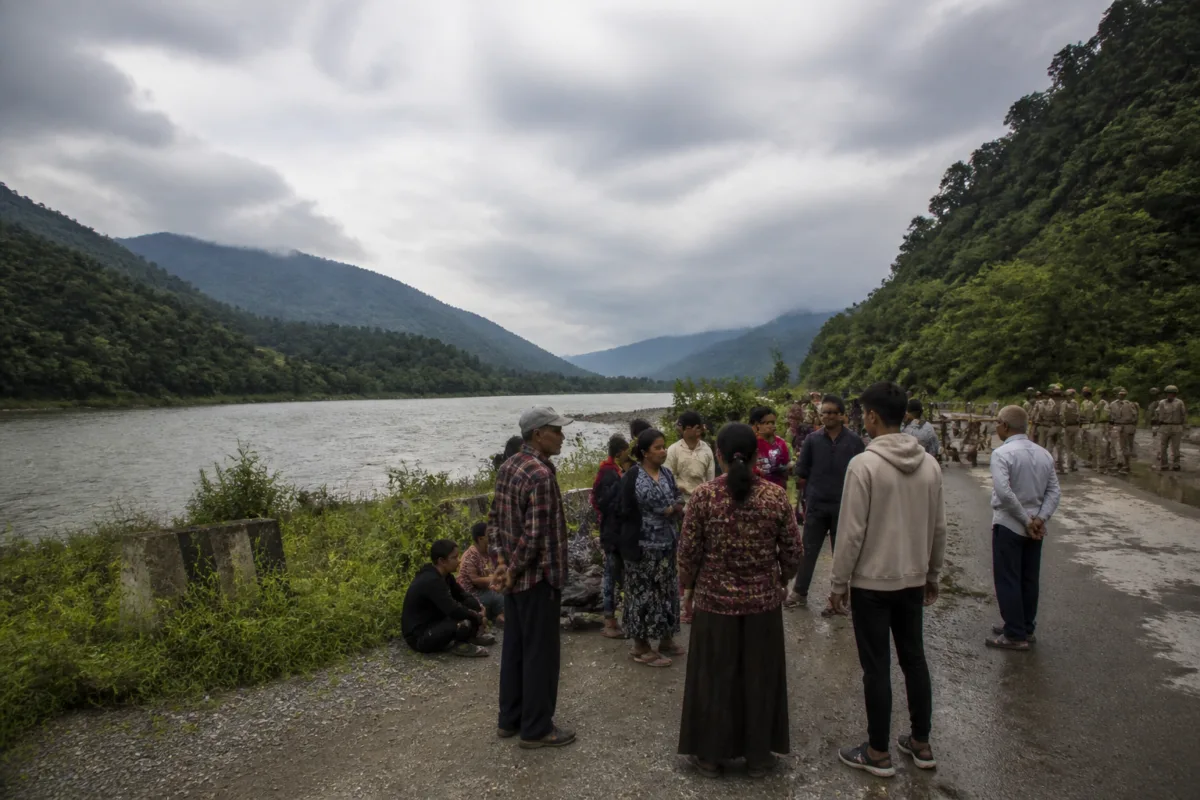
Several people were arrested during the unrest, including minor students who were sent to a juvenile home. More than 30 companies of Central Armed Police Forces, including the Rapid Action Force, were subsequently deployed across the Siang belt. The proposed dialogue now depends on whether the government responds to ABKU’s demand for release and case withdrawal before the meeting.

