


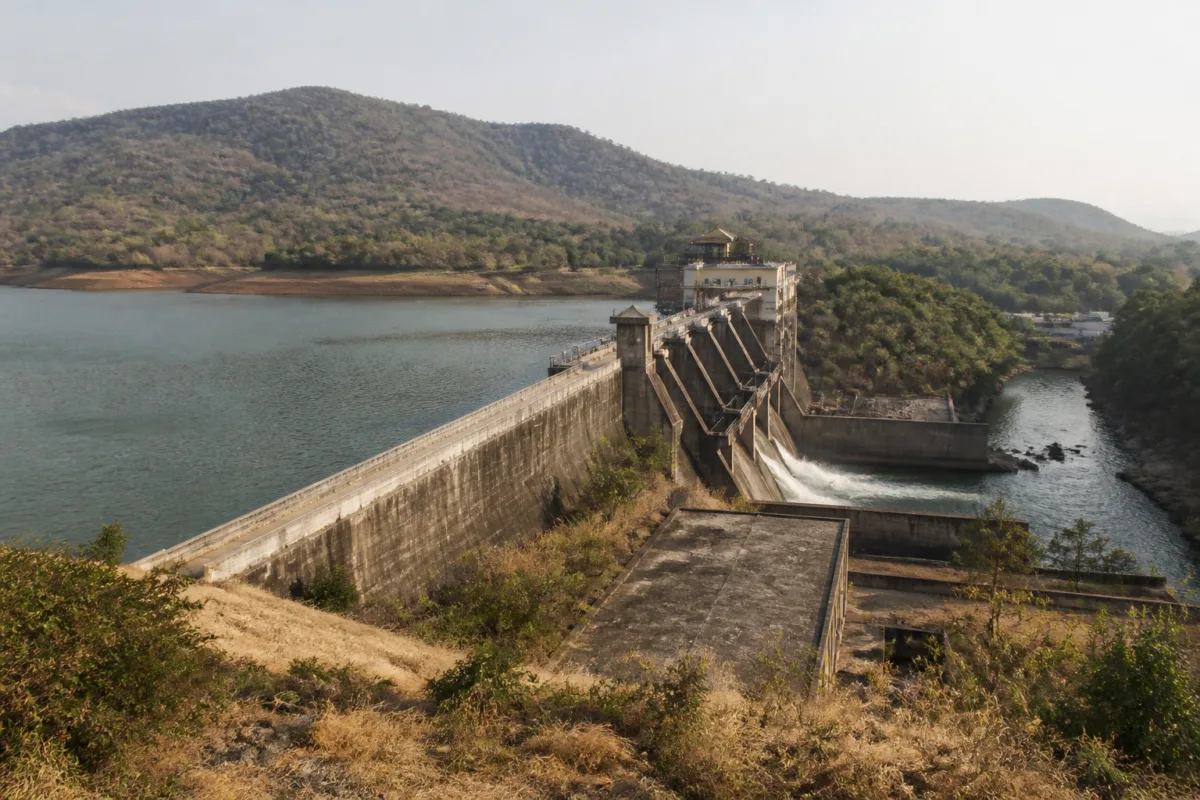
Pune’s Khadakwasla dam system held 22.67 TMC of water, or 77.80% of its combined capacity, as recorded at 5 pm on November 8, according to a report by Sakal – Pune. The storage is 5.56 TMC lower than the 28.23 TMC recorded on the same date last year, while inflow into all four dams was reported as zero.
The Khadakwasla system comprises the Khadakwasla, Panshet, Varasgaon and Temghar dams, which together form a key water source for Pune. The latest figures reported for the individual reservoirs were 1.28 TMC, or 64.75%, in Khadakwasla; 7.81 TMC, or 73.36%, in Panshet; 10.63 TMC, or 82.94%, in Varasgaon; and 2.95 TMC, or 79.62%, in Temghar.
The combined storage of 22.67 TMC compares with 28.23 TMC, or 96.84%, recorded on the corresponding day last year. The difference reported by Sakal – Pune is 5.56 TMC. The report did not provide a revised municipal water allocation, consumption estimate or forecast for when the current stock would be exhausted.
Water releases were continuing from three reservoirs. Panshet was releasing 600 cusecs, Varasgaon 600 cusecs and Temghar 260 cusecs, taking the combined discharge from these dams to 1,460 cusecs. The report said this water flows directly into the Mutha river system.
Khadakwasla dam had released 19.05 TMC through its spillway so far, according to the report. Water released through the system eventually reaches Ujani dam, located on the boundary of Pune, Solapur and Ahmednagar districts, where the flows are stored.
The figures show that the latest position of Pune’s water system is shaped by both the amount retained in the reservoirs and ongoing downstream releases. With no new inflow recorded in any of the four dams on November 8, the reported storage level remains the central indicator for monitoring the system’s supply position.
The latest update does not, by itself, establish whether Pune will face a water shortage or whether supply schedules will change. Such decisions would depend on the city’s authorised water allocation, daily consumption, future rainfall and inflows, and the operating decisions of the responsible water authorities. Sakal – Pune’s report provides the reservoir readings and discharge figures; it does not cite a separate announcement on changes to municipal supply.
The next operational milestone will be further monitoring of inflows, storage levels and releases from the Khadakwasla chain. Any change in Pune’s water-supply arrangements would need to be communicated separately by the relevant authorities.

