


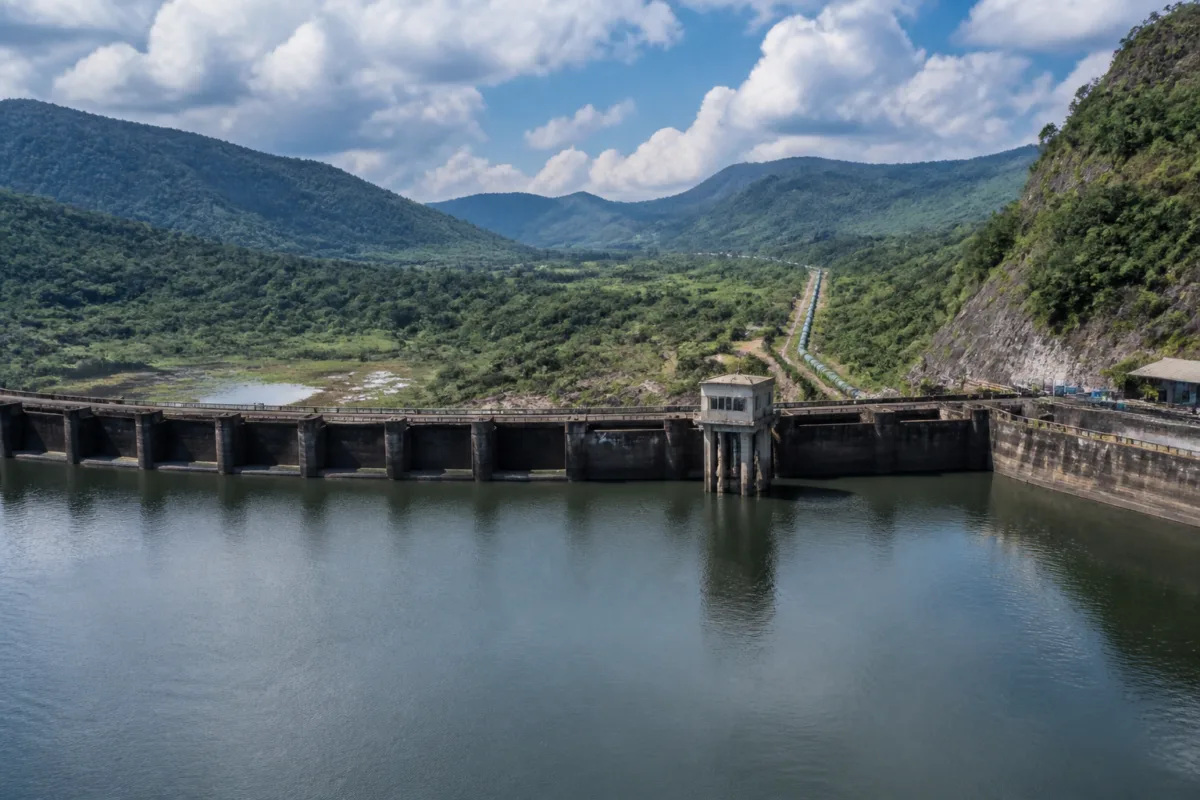
The Pune Municipal Corporation will seek an additional five thousand million cubic feet (TMC) of water from Mulshi dam as the city’s annual requirement rises beyond its current supply, with the demand set to be discussed at a state-level meeting on November 20.
Pune currently receives around 16 TMC of water annually, while the PMC estimates that the city and its 34 newly merged villages will require 21.03 TMC during 2025-26. The civic body plans to present its demand for additional water and alternative supply proposals at the meeting convened by Chief Minister Devendra Fadnavis through the Pune Metropolitan Region Development Authority.
According to a letter from the PMC water supply department to the state water resources department, the sanctioned allocation from the Khadakwasla, Pavana and Bhama Askhed dams stands at 14.61 TMC. The water resources department has informed the PMC about the transfer of a 1.75 TMC allocation intended for the merged villages, but the civic body has complained that the amount has not been included in its sanctioned quota.
The PMC had submitted a proposal to the state government in July 2024 seeking five TMC from Mulshi dam for non-irrigation purposes. No decision has been taken on that proposal so far. The civic body is expected to raise the issue during the November 20 meeting, along with its request to reserve its water allocation until 2055-56.
The city administration is also expected to propose alternative sources. These include bringing water through a tunnel from Khadakwasla to Fursungi and drawing water from a canal to supply the newly merged villages in the Uruli Devachi area. The proposals are intended to address supply requirements in areas that were added to the municipal limits.
The PMC estimates that Pune’s annual water requirement could increase to 47.13 TMC by 2055. At the same time, around 35% of the water supplied through the city’s distribution network is currently lost through leakage. The civic body aims to reduce these losses to 20% under its 24×7 equal water supply scheme.
The PMC has also opposed a proposed 30% reduction in its water quota. It has pointed out that around 6.5 TMC of treated sewage water is already being made available for irrigation, an argument it is expected to use while seeking to protect its allocation for urban consumption.
The November 20 meeting will determine whether the state considers the additional Mulshi allocation, the status of the 1.75 TMC meant for the merged villages and the alternative supply proposals put forward by the civic body.

