Pune Waste Fleet Expansion Targets Chronic Garbage Spots
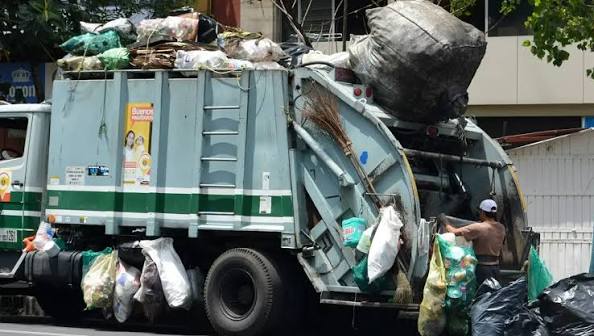
Pune is set to add 250 small waste-collection vehicles within a month as the civic administration attempts to clear recurring garbage accumulation points across the city. The move comes as Pune generates about 2,800 tonnes of municipal waste every day, placing sustained pressure on collection and transport systems. The immediate focus is on improving last-mile lifting, but the longer challenge remains building a waste system that reduces accumulation rather than repeatedly responding to it.
The Pune waste collection expansion will target locations identified as chronic garbage spots, where waste continues to build up despite routine collection. Civic officials recently reviewed sanitation and waste-lifting operations across Manjari, Shewalwadi, Mohammadwadi, Undri and Kondhwa. The scale of the daily waste stream explains the pressure on the existing fleet. PMC data cited by officials puts daily generation at roughly 2,800 tonnes, including around 1,100 tonnes of wet waste and 1,700 tonnes of dry waste. The civic body currently operates a mix of small and large collection vehicles and compactors, with vehicles making multiple trips each day. The additional vehicles could improve collection frequency in neighbourhoods where narrow streets and dispersed waste points make large trucks less practical. For residents, that could mean fewer roadside piles, lower odour and pest exposure, and cleaner public spaces. During the monsoon, timely lifting becomes even more important because rainwater can spread waste into drains and contribute to local flooding and sanitation problems.
But expanding the fleet will not by itself solve Pune’s waste problem. Recent assessments indicate that the city is also facing a shortage of wet-waste processing capacity. Pune generates roughly 1,100 tonnes of wet waste each day, while existing facilities have been processing substantially less than their combined designed capacity. Additional processing projects are therefore being considered alongside improvements to collection. The Pune waste collection strategy also needs to be linked with segregation at source. Keeping wet and dry waste separate reduces contamination and makes recycling, composting and other forms of resource recovery more viable. Without effective segregation, additional vehicles can simply move a larger volume of mixed waste through the system without improving its environmental performance.
There is also a planning dimension. As Pune expands into formerly peripheral areas, waste infrastructure must grow alongside housing, commercial development and road networks. Collection depots, transfer facilities and processing capacity need adequate land and efficient access, rather than being added only after neighbourhoods begin facing persistent waste problems. The new vehicles should provide short-term operational relief. The longer-term measure of success, however, will be whether Pune can reduce chronic garbage points through reliable collection, stronger segregation and sufficient processing capacity. A cleaner city will depend on managing the entire waste chain, not just lifting waste faster.