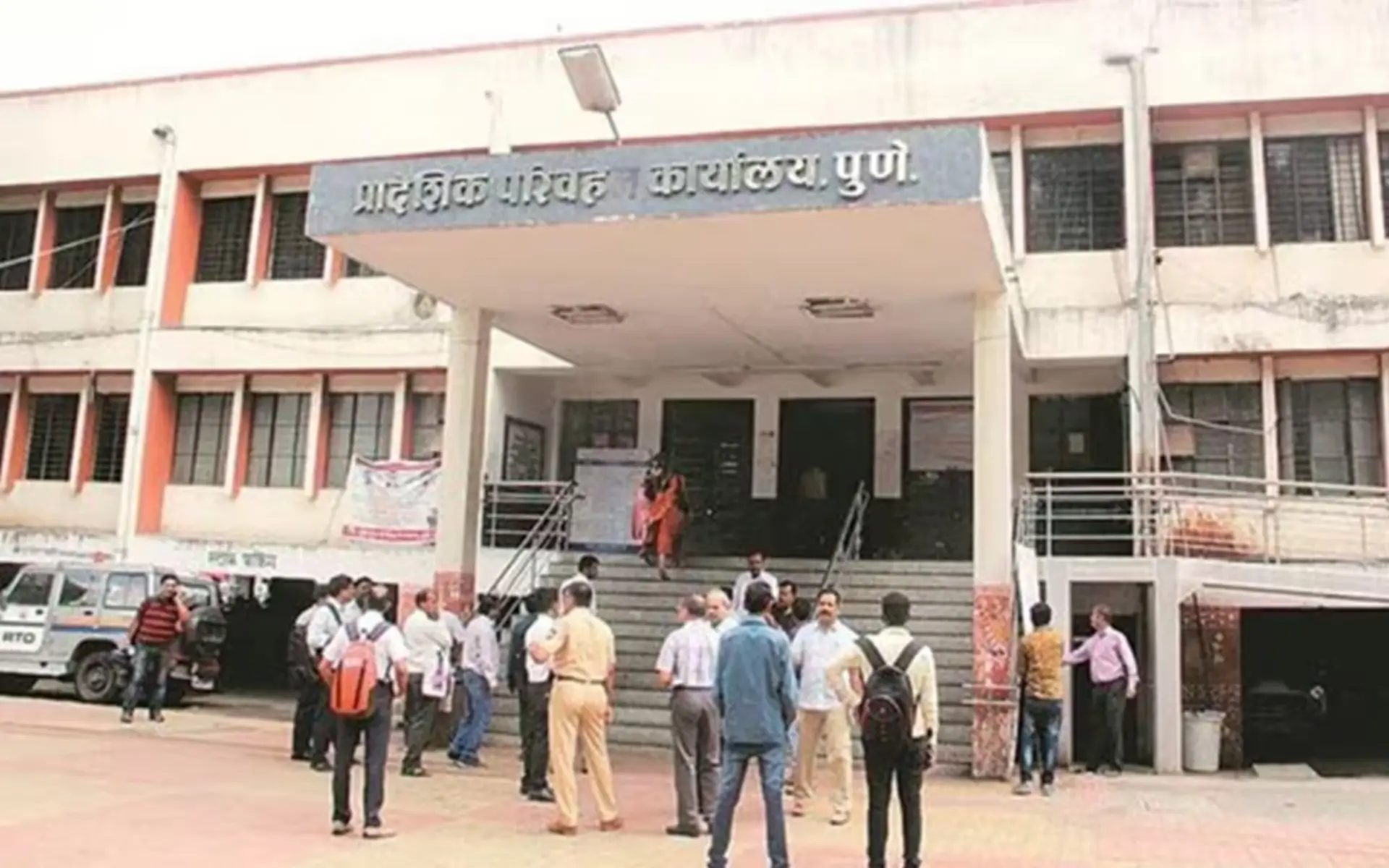
Pune’s transport administration has opened online reservations for premium vehicle registration numbers under a new two-wheeler series, highlighting the rising commercial and cultural value attached to personalised mobility identifiers in India’s expanding urban centres. The latest registration cycle under the MH 12 ZR series is expected to attract strong demand from buyers seeking distinctive number combinations through a fully digital reservation system.
The Pune Regional Transport Office (RTO) has enabled online booking access for preferred registration numbers through the national transport portal, continuing its transition towards paperless public service delivery. Applicants are required to complete identity authentication through Aadhaar-linked mobile verification, with all payments processed digitally. The move reflects a broader shift in urban governance where transport-related citizen services are increasingly migrating to online platforms in an effort to reduce physical office visits, improve transparency and streamline administrative workflows. Civic technology experts note that digitised vehicle registration systems can help reduce middle-layer interventions while improving efficiency in high-volume metropolitan transport offices. At the same time, the Pune fancy number market has evolved into a high-value urban phenomenon, with premium registration combinations regularly attracting bids several times higher than their reserve prices. Transport officials and market observers say demand for exclusive number sequences has remained consistently strong among both luxury vehicle owners and aspirational middle-income buyers. Data from previous auctions indicate that single-digit and repetitive number combinations command the highest premiums. Numbers perceived as prestigious, lucky or easy to recall have generated aggressive bidding activity in recent years, with certain registrations selling for amounts comparable to the price of entry-level vehicles.
Urban economists suggest the growing appetite for personalised registration numbers reflects changing consumption behaviour in rapidly urbanising cities, where mobility is increasingly associated with identity, status and digital visibility. Vehicle ownership patterns in cities such as Pune have shifted significantly over the past decade due to rising disposable incomes, expanding suburban housing and increased dependence on private transport. However, transport planners also point out a larger contradiction emerging within Indian cities. While premium vehicle registration auctions generate non-tax revenue for transport departments, rising private vehicle ownership continues to place pressure on already strained urban roads, parking infrastructure and air quality systems.
Pune, which has witnessed sustained growth in two-wheeler usage, continues to grapple with congestion, transport emissions and limited last-mile public transit connectivity in several suburban zones. Mobility experts argue that alongside digital modernisation of transport services, cities must also accelerate investment in sustainable mobility infrastructure, including electric public transport, cycling corridors and pedestrian-friendly urban design. Officials overseeing the current reservation cycle expect significant participation once the booking window opens. As the Pune fancy number market expands further, it also offers insight into how urban consumer culture, digital governance and transport economics are increasingly intersecting in India’s evolving metropolitan landscape