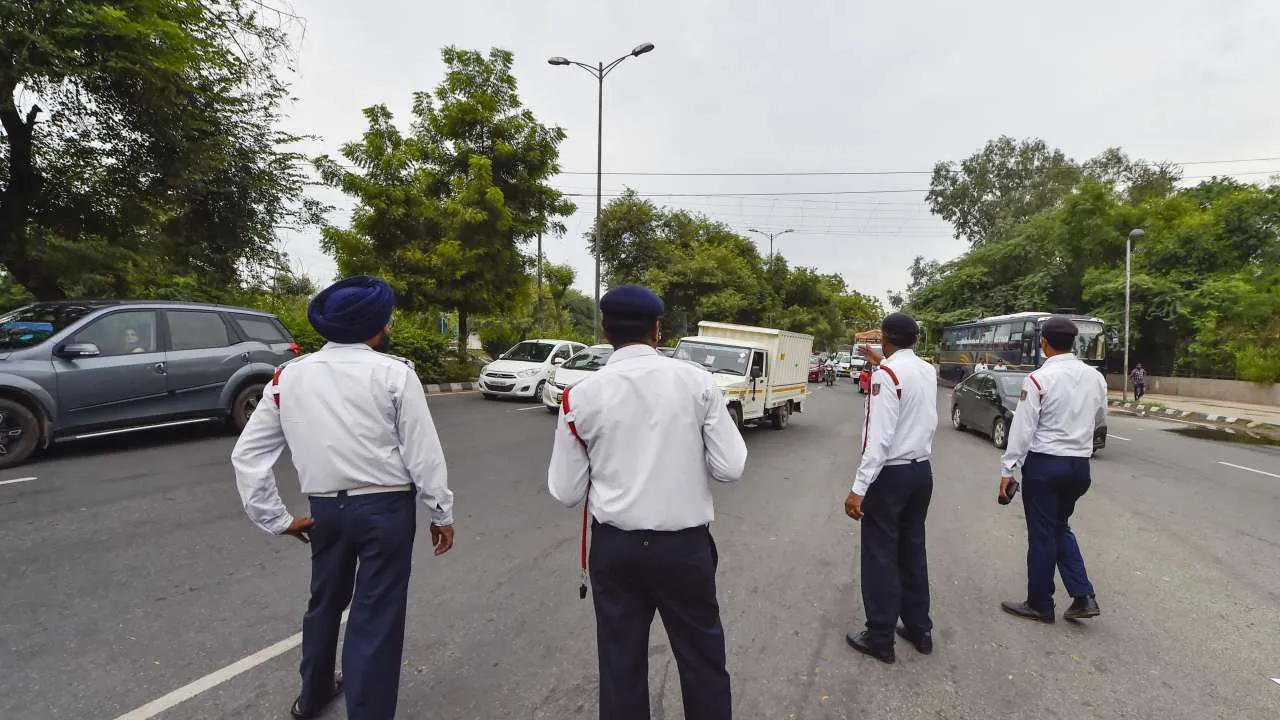
Delhi’s push towards digital traffic enforcement is exposing a widening gap between technology-driven governance and public awareness, as thousands of pending e-challans continue to remain unpaid across the capital. The issue has emerged as a significant urban compliance challenge, raising questions around citizen outreach, enforcement efficiency, and the future of digitally managed mobility systems in rapidly expanding cities.
Authorities in the national capital have intensified the implementation of the e-challan framework in an attempt to improve road discipline, reduce manual intervention, and streamline penalty recovery. However, transport officials indicate that a substantial number of motorists either ignore digital notices or remain unfamiliar with the legal and financial implications linked to non-payment. The growing backlog of unresolved e-challans is increasingly being viewed as more than a traffic enforcement issue. Urban policy experts say the challenge reflects broader concerns around digital governance in Indian cities, where technological systems are often introduced faster than citizen awareness and behavioural adaptation. In a city with rising vehicle ownership and persistent congestion, effective compliance mechanisms are becoming critical to public safety and transport management.
The e-challan system relies heavily on automated surveillance infrastructure including CCTV cameras, AI-enabled monitoring, and digital databases connected with vehicle registration networks. Officials believe the system reduces corruption risks and improves transparency compared to traditional on-road enforcement. Yet enforcement agencies admit that awareness regarding penalties, legal escalation, and payment procedures remains uneven, particularly among occasional commuters and commercial vehicle operators. Transport analysts note that unpaid e-challans can eventually lead to increased penalties, legal notices, and complications related to vehicle documentation or ownership transfers. Despite this, many residents reportedly continue to treat digital challans as low-priority notifications rather than formal legal liabilities.
The issue also highlights the challenges of building accountable urban mobility ecosystems in megacities like Delhi. Road safety campaigners argue that enforcement technology alone cannot improve compliance unless accompanied by sustained civic education, multilingual communication, and simplified digital access. Experts suggest that cities transitioning towards smart mobility systems must invest equally in citizen engagement as they do in surveillance infrastructure. Recent weather disruptions and fluctuating traffic conditions across the National Capital Region have further complicated enforcement patterns, especially in areas witnessing high commuter movement. Officials are now expected to strengthen awareness campaigns alongside stricter recovery measures in the coming months. Urban planners believe Delhi’s experience may become a larger lesson for other Indian cities adopting intelligent traffic systems. As metropolitan regions increasingly depend on automated governance tools, the long-term success of digital enforcement will likely depend on public trust, accessibility, and consistent civic participation rather than technology deployment alone.