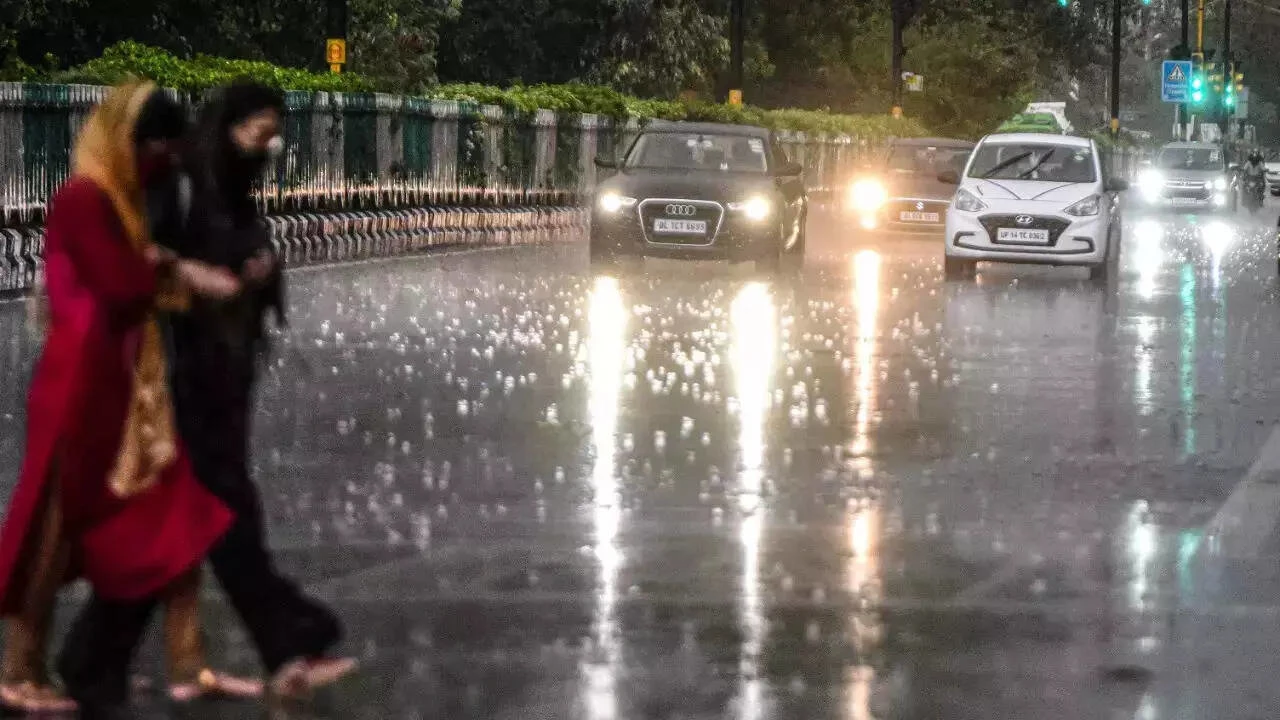
Delhi NCR Braces For Extreme Weather Cycle. A broad stretch of India is entering a volatile weather phase as the India Meteorological Department (IMD) warns of severe thunderstorms, intense winds and heavy rainfall across at least 16 states over the coming days. The alert covers major urban centres including Delhi-NCR, Lucknow, Patna, Jaipur and Hyderabad, raising concerns around public safety, transport disruption, power outages and climate resilience in rapidly expanding cities.
According to meteorological assessments, a combination of an active western disturbance and a developing low-pressure system over the Bay of Bengal is driving the abrupt atmospheric instability. Wind speeds in several regions are expected to reach between 60 and 80 kilometres per hour, accompanied by lightning activity and isolated hailstorms. The changing weather pattern arrives at a critical moment for north Indian cities already struggling with rising heat stress, uneven urban drainage and ageing electricity infrastructure. In Delhi-NCR, authorities have issued a yellow alert for 11 and 12 May, forecasting dust storms and moderate rainfall. Officials expect the rainfall to temporarily reduce daytime temperatures and improve air quality, but civic agencies remain cautious about fallen trees, waterlogging and traffic disruption during peak commuting hours. Recent IMD observations indicate that intermittent rain events during early April prevented a sharper spike in temperatures across the capital region. Data also showed that Delhi crossed the 40-degree Celsius mark later than usual this year, after multiple rainy days moderated surface heat conditions.
The latest weather system is expected to affect both metropolitan economies and rural production belts. Uttar Pradesh, Bihar and Jharkhand are likely to witness thunderstorms with lightning risks, while parts of Punjab, Haryana and Rajasthan may experience dust-laden winds capable of damaging crops and roadside infrastructure. Agricultural experts have advised farmers to secure harvested produce and delay open-field activities during high-risk periods. In hill states including Himachal Pradesh, Uttarakhand and Jammu & Kashmir, forecasts point towards rainfall, hail and possible snowfall in higher elevations. Urban planners note that increasingly erratic weather patterns are placing additional pressure on mountain transport corridors and tourism-dependent economies that rely heavily on predictable seasonal conditions. Eastern and northeastern states may face a different set of risks. Meteorological agencies have warned that Assam, Arunachal Pradesh and neighbouring regions could see intense rainfall episodes that may trigger flooding and landslides. Meanwhile, southern coastal states including Kerala, Tamil Nadu and Andhra Pradesh are preparing for heavy rain linked to moisture activity over the Bay of Bengal and adjoining seas.
Climate researchers increasingly view these overlapping extremes heatwaves followed by intense rainfall and storm activity as evidence of growing atmospheric volatility across South Asia. For Indian cities already coping with dense construction, shrinking green cover and stressed public infrastructure, the current weather alert underlines the need for more climate-responsive urban planning, resilient drainage systems and decentralised emergency preparedness. With forecasts indicating unstable conditions through mid-May, authorities across multiple states are expected to maintain heightened monitoring and public advisories over the next several days.