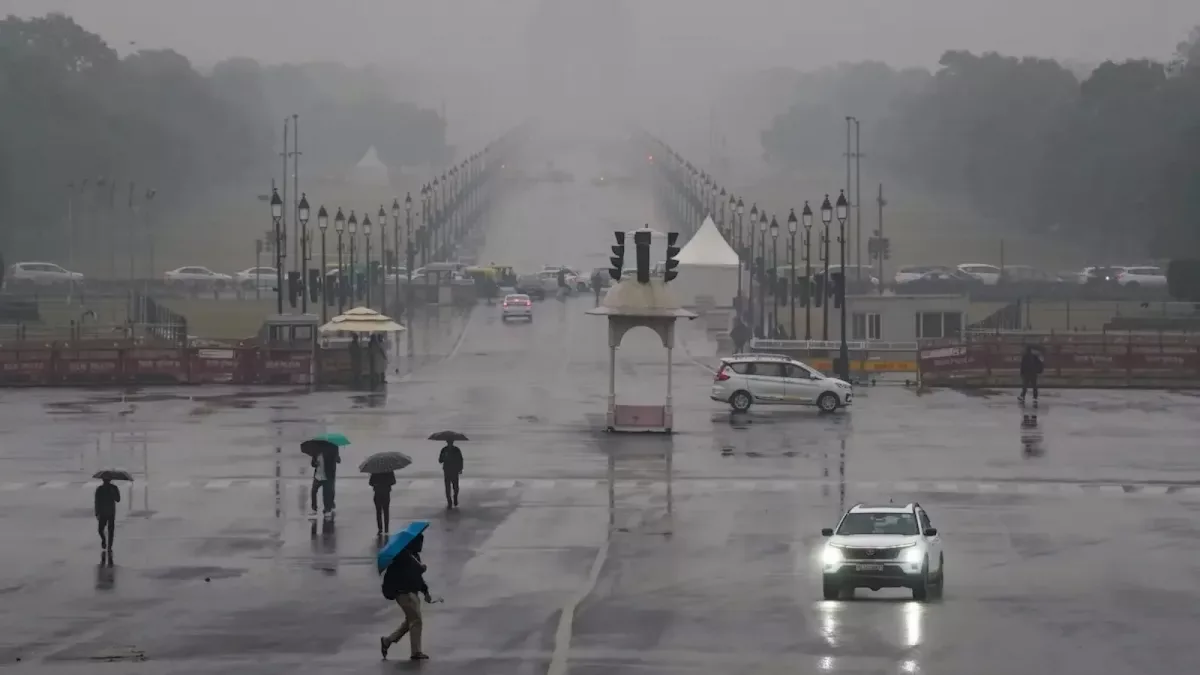
New Delhi: A fast-moving weather system is expected to trigger thunderstorms, dust-laden winds and scattered rainfall across Delhi-NCR and parts of western Uttar Pradesh over the next few hours, prompting authorities to issue precautionary advisories for residents and transport operators. The latest Delhi NCR weather alert arrives at a time when northern Indian cities are grappling with rising summer heat, strained urban infrastructure and growing climate unpredictability.
Meteorological officials indicated that several parts of the National Capital Region could witness sudden changes in weather conditions, including strong wind gusts and lightning activity. Key urban clusters in south-west Delhi, airport-linked corridors and peripheral residential zones are likely to experience brief but intense weather disturbances capable of affecting road mobility, aviation schedules and outdoor economic activity. Neighbouring NCR districts including Gurugram, Faridabad, Manesar and Ballabhgarh are also expected to remain vulnerable to unstable atmospheric conditions. Urban planners and climate observers say such recurring pre-monsoon weather fluctuations are becoming increasingly common across expanding metropolitan regions where rapid construction activity, reduced green cover and high surface temperatures intensify local climate stress.
In western Uttar Pradesh, districts stretching from Saharanpur and Muzaffarnagar to Moradabad and Bareilly may receive moderate rainfall accompanied by strong winds. Agricultural belts on the urban fringe could benefit from temporary cooling and moisture retention, although sudden wind activity also raises concerns around crop exposure, weak power infrastructure and road safety. The current Delhi NCR weather alert follows a broader pattern observed across April and early May, when intermittent rainfall episodes repeatedly interrupted heat build-up across the region. Data from weather officials showed multiple rainy days during early April helped keep daytime temperatures below seasonal averages before the mercury gradually crossed the 40-degree mark later in the month.
Residents across NCR cities experienced noticeably cooler conditions after recent rain spells, with public parks, neighbourhood markets and open spaces witnessing higher evening footfall as temperatures eased. However, experts caution that short-term relief should not distract from the wider implications of erratic weather cycles linked to climate change and urban heat accumulation. Transport and civic agencies have advised citizens to avoid open areas during lightning activity and remain cautious near trees, temporary structures and electricity poles. Emergency teams are also monitoring vulnerable traffic corridors that frequently experience waterlogging or reduced visibility during sudden storms. Urban climate specialists argue that cities across the NCR need stronger heat-action planning, decentralised drainage systems and improved weather-responsive infrastructure to manage increasingly volatile seasonal transitions. As extreme weather events become more frequent, the focus is shifting from temporary response measures to long-term resilience strategies designed around public safety, mobility continuity and sustainable urban growth.