


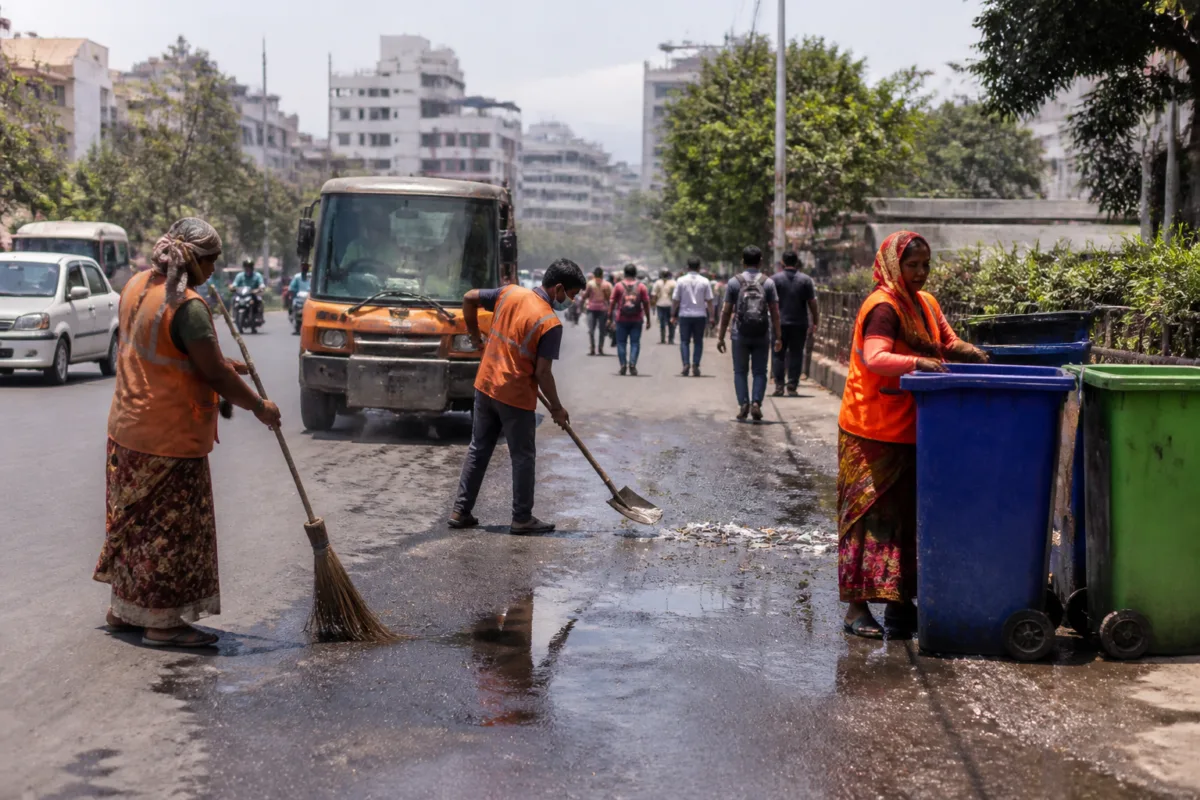
Pune has fallen from eighth to 12th place among cities with populations above one million in the 2025-26 Swachh Survekshan, while its ranking in another population category dropped to 27th, according to a report by Lokmat-Pune. The results place the Pune Municipal Corporation outside the top 10 in the national cleanliness assessment for the first time in several years.
The awards for the tenth edition of Swachh Survekshan were presented at Vigyan Bhavan in New Delhi by President Droupadi Murmu. Pune did not receive a national or state-level award, while neighbouring Pimpri-Chinchwad and Navi Mumbai municipal corporations were recognised for their performance, the report said.
Swachh Survekshan is conducted annually under the Union government’s Swachh Bharat Mission by the Ministry of Housing and Urban Affairs. Cities are assessed in population-based groups. In the category for cities with populations above 100,000, Pune’s rank fell from 10th last year to 27th this year. In the category for cities with populations above one million, the city moved from eighth to 12th.
Lokmat also reported that Pune secured 18th place among 50 cities in the separate Swachh Vayu Sarvekshan. The report linked the result to continuing concerns over air pollution despite the Pune civic administration receiving ₹281 crore from the Centre for pollution-control measures. The supplied report does not provide an official expenditure statement or a detailed account of how the funds were used.
The report cited administrative sources as saying that three teams were expected to visit Pune for physical inspections of cleanliness and related work under the survey. The first team visited during June and July, but the second team had not arrived, according to those sources. Officials reportedly attributed part of the decline in ranking to the delay in the assessment process. No independent assessment of that explanation is included in the supplied material.
The report also raised questions about whether sanitation and public participation measures are sustained throughout the year or concentrated around the assessment period. It alleged that facilities at inspection locations received special attention during the survey period, including the provision of toilet paper, mirrors, air dryers and round-the-clock water supply in public toilets. It further alleged that municipal employees were required to record public participation instead of relying solely on direct citizen responses. These claims are attributed to the report and were not accompanied in the supplied material by a response from the Pune Municipal Corporation.
Pune had previously remained among the top five or top 10 cities in the cleanliness rankings, despite occasional fluctuations, according to Lokmat. The latest results indicate a decline over recent years, but the supplied report does not include the city’s complete year-wise ranking record or the detailed scorecard behind the latest position. The next point of accountability will be the publication and examination of the assessment details, along with the civic administration’s explanation of the inspection process, sanitation performance and use of air-quality funds.

