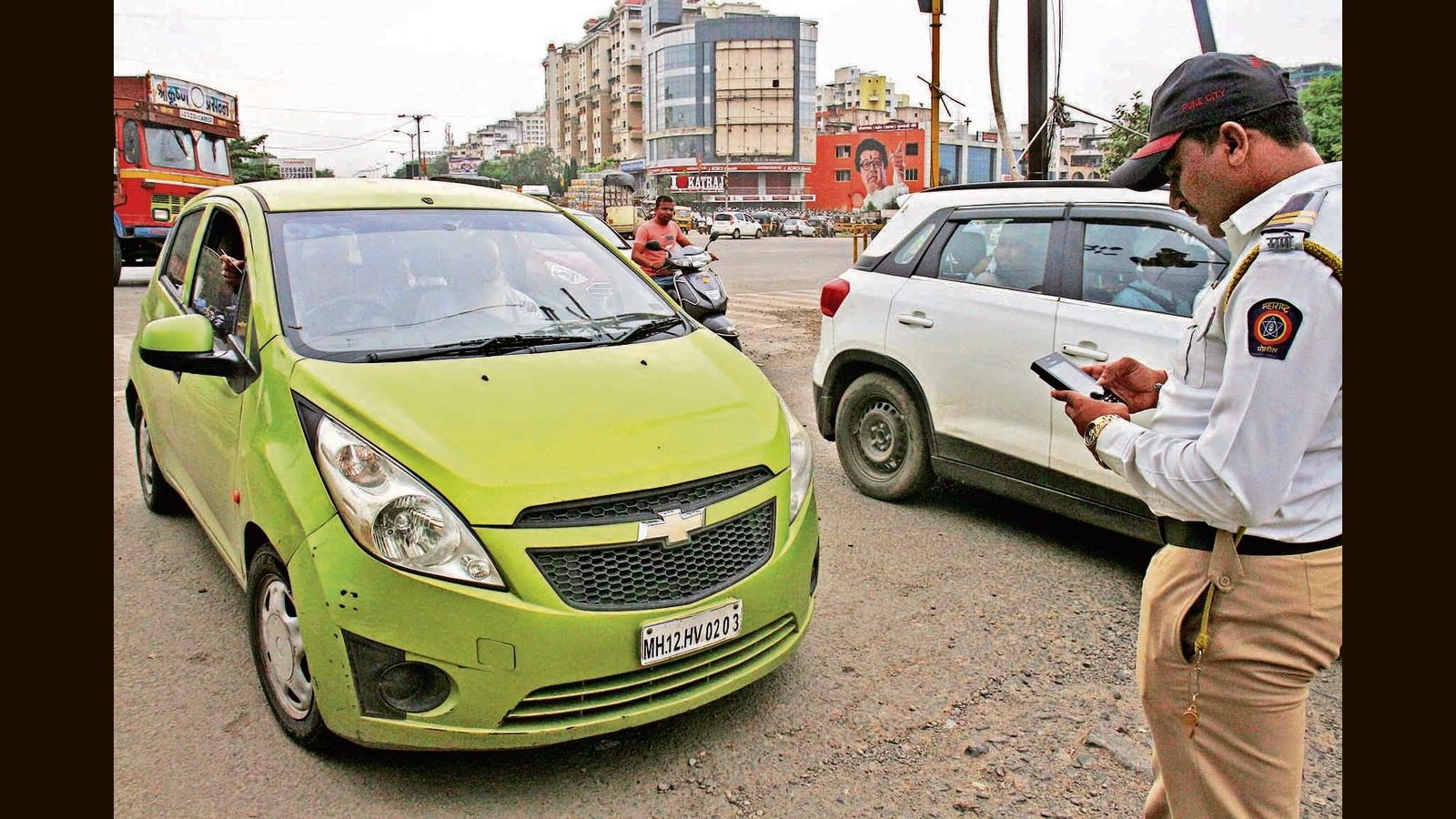
The city’s traffic violators will soon have nowhere to hide — not because more police will patrol the streets, but because cameras will. An Intelligent Traffic Management System is being rolled out to detect infractions and issue e-challans automatically, without any manual intervention. A senior police official confirmed the move, stating that the certainty of punishment is expected to discipline reckless driving.
The technology is arriving none too soon. Pune’s vehicle population has crossed 78 lakh, while road area remains stuck at just 7 percent of the city’s land. Only 11 percent of residents use public transport — an imbalance that guarantees congestion regardless of how many fines are issued. A senior official noted that 99 percent of traffic jams are caused by violations, not road capacity. Automated enforcement systems have proven effective in other Indian cities, reducing red-light jumping and speeding violations significantly. But urban transport analysts caution that technology alone cannot fix a system where private vehicle ownership is effectively compulsory. Pune’s metro network is expected to expand to nearly 120 kilometres over the next five years, offering a genuine alternative. But five years is a long time for a city already gasping.
The ITMS will rely on advanced surveillance and data integration, with cameras installed at nearly 500 locations. Officials expect up to 99 percent of challans to be generated by the system, removing human discretion — and, presumably, the possibility of negotiation at the roadside. For law-abiding citizens, this means fairer enforcement. For habitual violators, it means a rude shock. But there is a deeper irony. Pune is investing heavily in automated punishment for private vehicle users while the public transport system remains underfunded and unreliable. A transport economist not associated with the project noted that fines are a disincentive, not an alternative. Without a viable way to leave the car at home, drivers will simply factor challans into their cost of driving.
Speakers at a recent city dialogue urged corporate organizations to contribute through CSR initiatives in traffic management and urban mobility. But corporate funding cannot substitute for systemic reform — bus frequency, last-mile connectivity, and safe walking and cycling infrastructure. What changes next is enforcement. What needs to change next is everything else.
Pune Rolls Out Automated E Challans For Traffic Fines