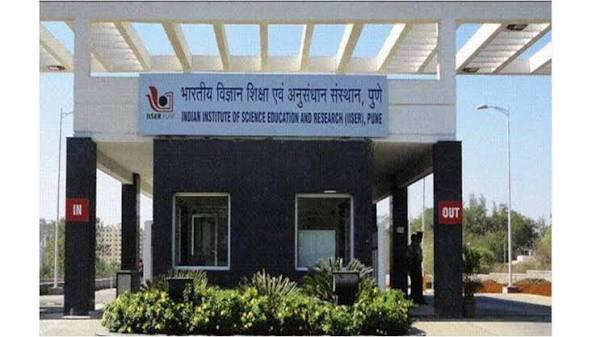
An indefinite student protest at the Indian Institute of Science Education and Research (IISER) Pune has brought campus safety, student welfare and disciplinary practices into sharp focus. The sit-in, which began on August 27, follows the death of a student on campus and centres on demands ranging from disciplinary review to stronger mental-health support and changes to hostel policies.
The protest has also raised questions about how institutions respond when students flag concerns about safety or seek changes to existing systems. Students are seeking a review of the suspension of the Student Council general secretary, alongside broader measures they say are needed to improve campus life. The student leader had originally received a one-year suspension linked to an earlier campus incident involving allegations of an improper search of students. The penalty was subsequently reduced to six months following an appeal. Students have argued that the disciplinary action followed efforts to raise concerns about student safety. The institute, however, maintains that disciplinary proceedings followed an investigation and established procedures. The demands extend beyond the individual disciplinary case. Students have called for greater flexibility in academic requirements following the recent death, more counselling resources, a review of newly introduced gender-based arrangements and safeguards against administrative retaliation for students raising institutional concerns.
Mental-health infrastructure has emerged as a central issue. The institute says it currently has two full-time counsellors, with two additional counsellors brought in through its campus mental-wellbeing centre. It is also seeking to recruit another one or two full-time counsellors. For a residential research institution, student welfare is closely tied to the design and management of the campus itself. Hostel access, common spaces, privacy, security and opportunities for students to interact can all influence how safe and supported residents feel. Changes to shared spaces to accommodate additional students can therefore have consequences beyond accommodation capacity. The institute has said some hostel common areas were converted into residential rooms to accommodate new students. It is now developing alternative shared areas in the dining complex and other existing facilities, including a dance room, with plans for sitting and co-working spaces.
The circumstances surrounding the student’s death have not yet been publicly established by police, making it important to distinguish confirmed facts from demands and claims emerging during the protest. The immediate challenge for IISER Pune is to address the students’ concerns while maintaining due process in disciplinary matters. A transparent review of safety systems, accessible mental-health services and meaningful student participation could help rebuild trust. For residential campuses, physical security and student wellbeing increasingly need to be treated as connected parts of essential infrastructure rather than separate administrative concerns.