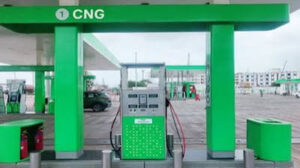
Pune’s growing dependence on compressed natural gas is exposing pressure points in the city’s fuel distribution network, prompting a phased infrastructure upgrade across Pune and Pimpri-Chinchwad. The immediate focus is Talegaon, where pipeline and supply-system interventions are expected to add capacity. The larger issue is whether network expansion can keep pace with rapidly rising vehicle demand while maintaining reliable access for daily commuters and commercial users.
Maharashtra Natural Gas Limited (MNGL) has identified pressure availability at some far-end parts of its network, particularly during peak demand, as a key operational constraint. The company has indicated that the problem is localised rather than evidence of a city-wide shortage of CNG. At Talegaon, pipeline looping has reached the pre-commissioning stage, with commissioning targeted for August 20. The work is expected to add about 3.8 lakh standard cubic metres per day (SCMD) of deliverability and provide greater flexibility in routing gas through the network. A second upgrade at the Talegaon gas supply facility is being undertaken with GAIL, with completion expected by September. A separate pipeline project involving hot tapping and an increase in pipeline diameter from four inches to eight inches is scheduled for December 2026. Together, these measures are intended to improve pressure conditions in areas that sit farther from primary supply points.
The longer-term intervention is more significant. A proposed 65-km steel trunk pipeline will connect the PIL East-West Pipeline network at Navhare with MNGL’s Pune network towards Hadapsar. Targeted for July 2027, the project is expected to add roughly 12 lakh SCMD of gas deliverability and create additional supply routes. The pressure on infrastructure reflects a sharp expansion in CNG use. MNGL says the number of vehicles it serves across Pune and Pimpri-Chinchwad has risen from about 2.62 lakh to more than 6.2 lakh, while commissioned CNG stations have increased from 66 to 133. Nine stations were added over the past year, alongside dispenser expansion at high-demand fuel outlets. Demand data, however, requires some caution. MNGL’s latest statement puts CNG sales at about 12.65 lakh SCMD, while a July update from the company cited consumption above 14 lakh SCMD. The difference may reflect reporting periods or measurement categories and underlines the need for consistent public data as the network expands. (My Pune Pulse)
For Pune’s transport system, the immediate test will be reliability. More stations alone will not resolve queues if upstream pressure and pipeline capacity remain constrained. As CNG continues to serve a large urban vehicle base, timely network reinforcement, transparent performance data and better distribution planning will determine whether infrastructure growth translates into shorter waits and more dependable mobility.