


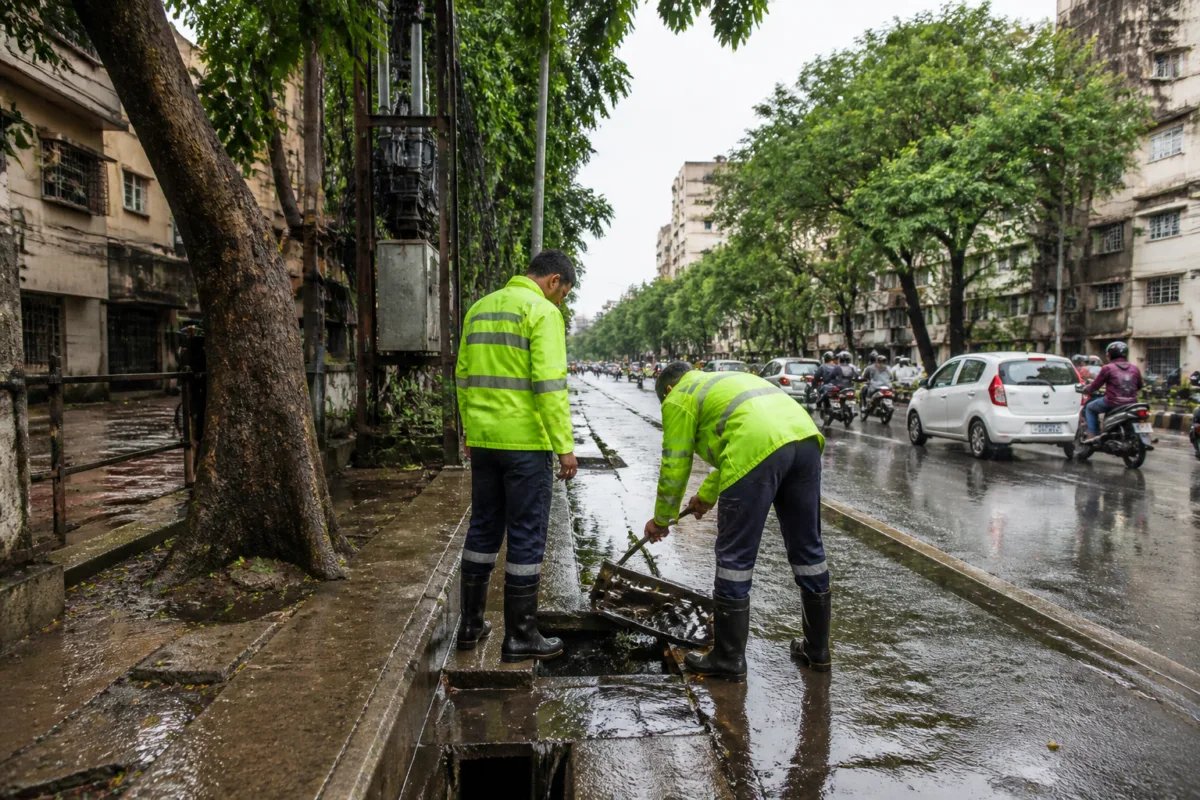
Pune Municipal Corporation’s standing committee has approved a proposal to create an independent Disaster Management Authority and a separate assistance policy for people affected by natural disasters and accidents in public places, according to a report by The Times of India.
The proposed policy would extend financial support to cases that, according to standing committee chairperson Srinath Bhimale, are not adequately covered by existing state natural-disaster relief norms in urban areas. These include incidents involving falling trees, open drains and drainage lines, septic tanks, electric poles and wires, as well as a range of weather-related disasters.
The assistance framework is being finalised. Under the proposal, the heirs of a person who dies in a covered disaster or public-place accident would receive Rs 2 lakh. A person with permanent disability of more than 60% would be eligible for Rs 50,000, while those with a disability between 40% and 60% would receive Rs 25,000. Hospitalisation and treatment support of up to Rs 10,000 is also proposed.
The policy would cover heavy rain, floods, fires, cyclones, hailstorms, lightning, landslides, cloudbursts, heatwaves and cold waves. It would also include accidents caused by falling trees or branches in public places and incidents involving civic drainage infrastructure, septic tanks and electrical installations.
The proposed administrative process would require applicants to submit claims for verification by the relevant regional office. The applications would then be forwarded to the Disaster Management Authority, with assistance released after approval by the authority. Bhimale said a separate fund would be allocated in the municipal budget.
The proposal is significant because it treats several everyday civic hazards as a municipal disaster-management responsibility rather than only as isolated accidents. In a dense city, risks linked to trees, drains, electrical infrastructure and poorly secured utility spaces can arise in public areas under municipal or other institutional control. A defined assistance mechanism could provide a formal route for affected families, although the report does not specify the final eligibility documents, processing deadlines, appeal provisions or the authority’s proposed composition.
The committee’s approval does not yet amount to evidence that the assistance is immediately available. The policy is still being finalised, and the proposed authority and budget allocation will need to be operationalised before residents can use the scheme. The effectiveness of the framework will therefore depend on clear public guidelines, timely verification and coordination between regional offices and the proposed authority.
The standing committee also approved a Rs 34 crore proposal to develop 75 municipal schools as model schools. The project is intended to improve campus infrastructure, with tenders for the proposed works approved, the report said. A separate Rs 13 crore proposal for public-awareness campaigns on cleanliness was approved for the solid-waste management department. The campaigns will address plastic-bag use, littering, waste disposal and the cleanliness of public water bodies.

