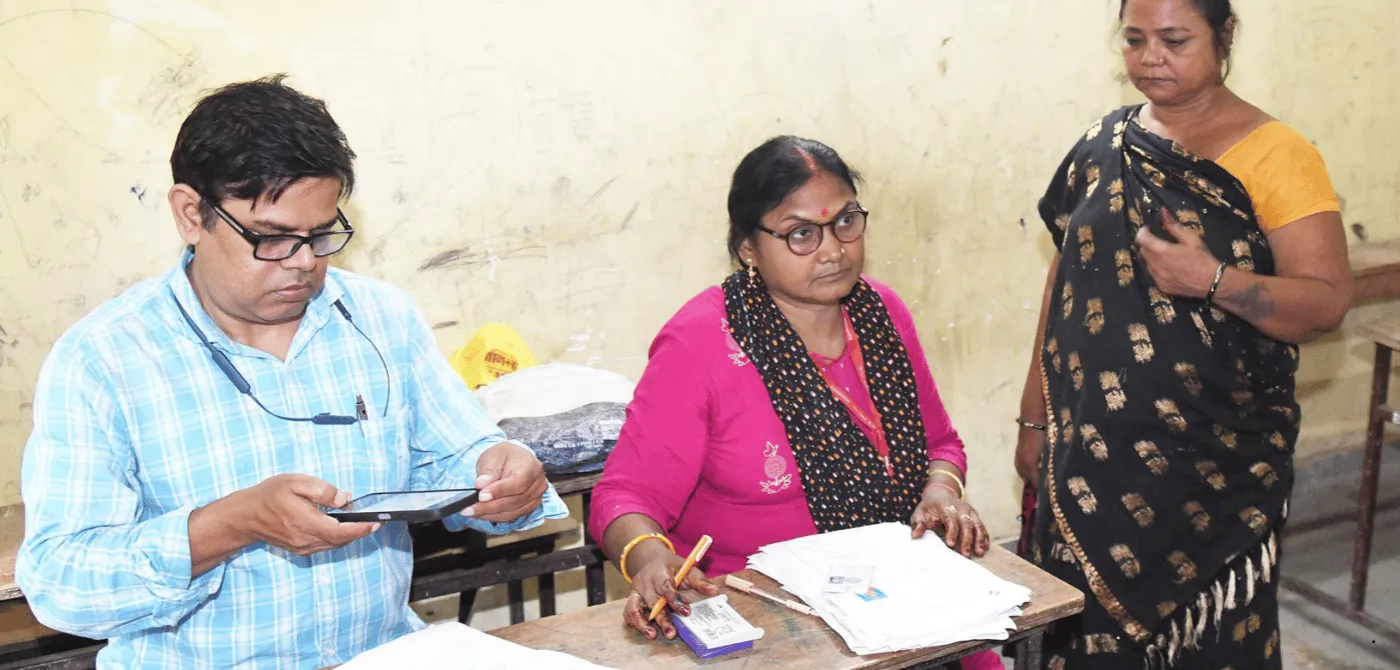
Patna Voter Roll Update Targets Urban Governance Gaps
The preparation for upcoming urban local body elections in Bihar has entered a critical phase, with authorities initiating a structured revision of voter lists across cities including Patna. The exercise, scheduled through 2026, is expected to determine electoral participation while also influencing the quality of urban governance in rapidly expanding municipalities.
The revision process will involve updating electoral rolls, inviting claims and objections, and verifying voter eligibility at the ward level. Officials indicate that the exercise is designed to reflect demographic shifts such as migration, new voter inclusion, and removal of duplicate or outdated entries—factors that have significantly altered Bihar’s urban population profile in recent years. The Bihar urban voter list revision comes at a time when cities are witnessing accelerated growth, driven by migration and peri-urban expansion. In this context, electoral rolls are more than administrative tools—they shape representation, resource allocation, and the functioning of urban local bodies responsible for civic services, planning, and infrastructure delivery. Urban governance experts highlight that inaccuracies in voter lists can distort representation, particularly in fast-growing wards where population density often outpaces administrative updates. Ensuring that newly settled residents are included while removing outdated entries is essential for fair electoral outcomes and effective decentralised governance.
The revision will follow a phased approach, beginning with draft roll publication, followed by a window for citizens to file corrections or objections before the final list is released. Similar exercises in recent years have revealed large-scale changes in voter databases due to deaths, relocation, and duplication—underscoring the need for continuous updates. From an infrastructure and planning perspective, the implications are significant. Urban local bodies rely on electoral boundaries and population data to prioritise investments in water supply, sanitation, roads, and housing. An accurate voter base helps align governance with actual demand, particularly in cities like Patna where informal settlements and peri-urban growth often remain undercounted. However, the process also raises questions around accessibility and inclusivity. Digitalisation of electoral services has improved efficiency, but experts caution that sections of the population—especially migrants, informal workers, and low-income households—may face barriers in navigating documentation and verification requirements. Addressing these gaps will be critical to ensuring that the Bihar urban voter list revision does not inadvertently exclude vulnerable groups.
The revision exercise is being carried out under the broader legal framework governing municipal elections in Bihar, where electoral rolls are periodically updated to maintain accuracy and transparency. As Bihar prepares for urban polls, the credibility of the electoral process will depend heavily on the robustness of this revision. For citizens, it represents both an administrative update and a gateway to participation in decisions that directly impact city infrastructure, service delivery, and long-term urban development. The coming months will test how effectively the state balances accuracy with inclusivity—an essential requirement as Bihar’s cities continue to expand and evolve