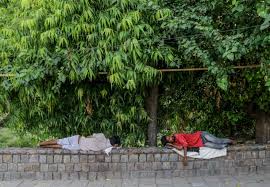
Rising temperatures across Bihar have triggered a yellow alert from the India Meteorological Department (IMD), with several districts—including Patna—expected to face heatwave conditions in the coming days. The warning signals an early intensification of summer, raising concerns over public health, infrastructure stress and urban preparedness as cities brace for prolonged high temperatures.
Weather projections indicate that daytime temperatures are likely to cross the 40°C mark in parts of the state, with dry winds and strong solar radiation contributing to heatwave conditions. The alert covers multiple districts, reflecting a broader regional pattern of rising heat across north and east India. The Bihar heatwave alert comes amid forecasts of above-normal temperatures throughout the summer season. Meteorological assessments suggest that both daytime and nighttime temperatures may remain elevated between March and May, reducing the usual respite after sunset and increasing cumulative heat stress. For urban centres like Patna, the implications extend beyond discomfort. Heatwaves place significant strain on electricity demand, water supply systems and public health infrastructure. Hospitals often report spikes in heat-related illnesses, while power grids face pressure from increased cooling demand. Urban planners note that such events are no longer episodic but part of a recurring climate pattern requiring systemic adaptation.
The current Bihar heatwave alert also underscores the growing intersection between climate change and urban vulnerability. Long-term data indicates worsening climate severity in Patna, reflecting broader shifts in weather patterns and increasing exposure to extreme events. As cities expand with limited green cover and high-density built environments, heat retention intensifies, amplifying the urban heat island effect. Authorities have advised precautionary measures, including avoiding outdoor exposure during peak hours, ensuring hydration and monitoring vulnerable populations such as the elderly, children and outdoor workers. These advisories, while routine, highlight the need for more structural interventions—such as shaded public spaces, heat-resilient building materials and decentralised cooling solutions. Experts argue that heatwave preparedness must evolve from short-term advisories to long-term urban planning strategies. This includes integrating climate-responsive design into housing, improving early warning systems and strengthening community-level resilience.
Cities that invest in such measures are likely to reduce both human and economic losses during extreme weather events. As temperatures continue to rise, the coming weeks will test Bihar’s readiness to manage heat stress at scale. The effectiveness of early warnings, combined with infrastructure resilience and public awareness, will determine how well cities cope with increasingly frequent and intense summer conditions.