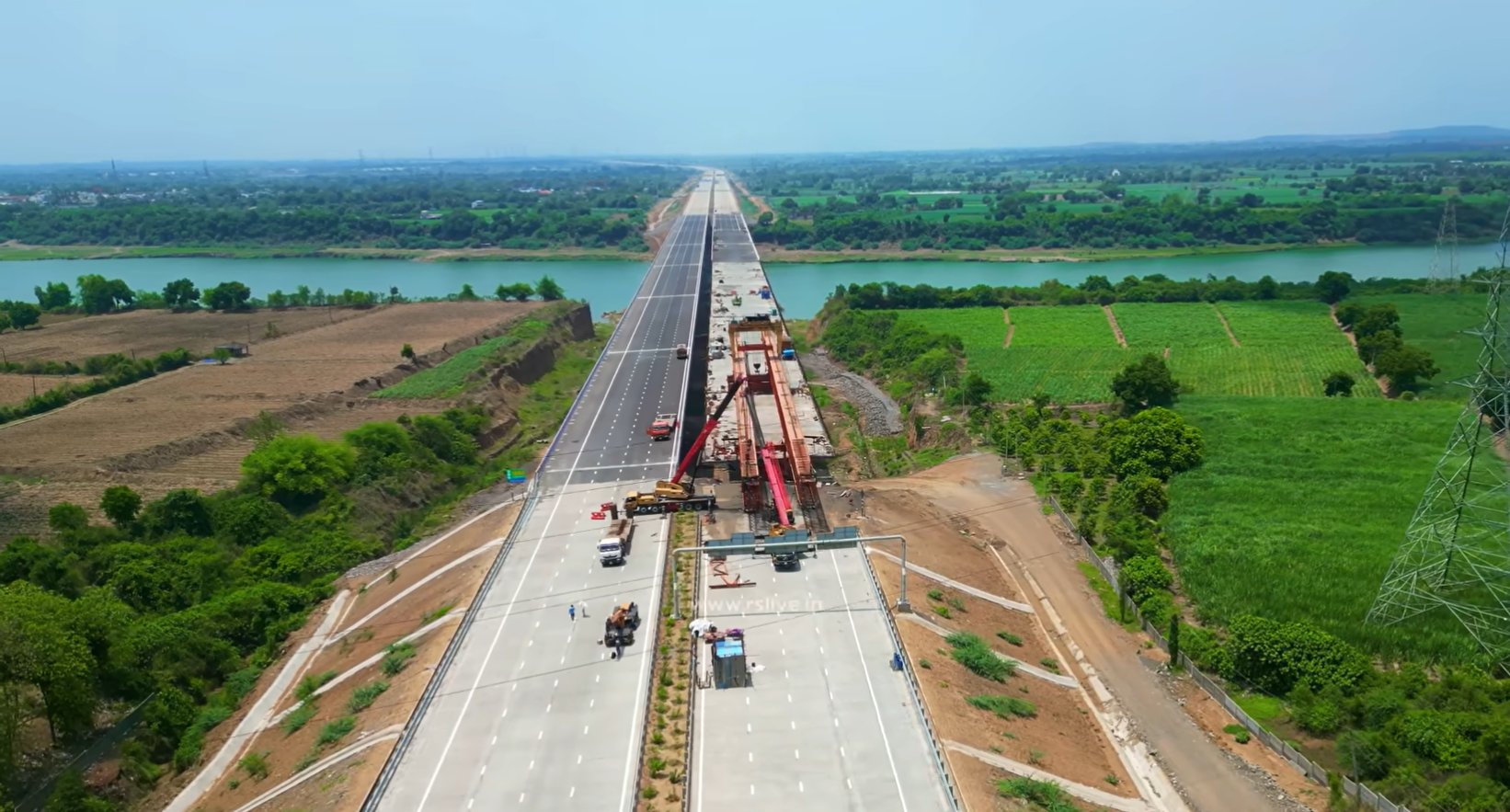
NHAI Begins Toll Collection on Kim–Ena Section of Delhi–Mumbai Expressway
The National Highways Authority of India (NHAI) has commenced toll collection on the Kim-Ena section of the Delhi-Mumbai Expressway. This decision defies an earlier recommendation from the Surat District Collector to grant a one-month toll waiver. The sudden imposition of charges comes just days after traffic was officially diverted to this expressway segment, following the abrupt closure of the structurally compromised Tapi Bridge near Kholvad. This conflict highlights the intricate challenges of infrastructure management and public welfare in rapidly expanding urban corridors.
The temporary diversion of traffic to the expressway, effective from July 10 to August 10, was a crucial safety measure. The regular highway bridge over the Tapi River had developed a significant two-foot gap, posing severe safety risks. Following a tragic bridge collapse in Vadodara, authorities prioritised public safety by ordering the immediate closure of the Kholvad bridge, preventing a similar disaster. Consequently, one side of the newly constructed expressway became an essential alternative, underlining the critical need for resilient and safe infrastructure in our cities.
However, the NHAI’s decision to resume toll collection from midnight on Sunday, July 21, has sparked considerable concern among commuters and local authorities alike. The published toll rates range from ₹95 for cars to ₹620 for oversized vehicles. This abrupt change has led to questions regarding the legality and timing of the NHAI’s action, particularly given the humanitarian aspect of providing an alternative route during an emergency. Such unforeseen financial burdens can significantly impact the daily lives of citizens, especially those reliant on public services for their livelihoods.
Public representatives have voiced strong objections, highlighting an additional burden on motorists. Commuters using the expressway are now reportedly subject to a double toll – once on the expressway and again at the Bhatia toll plaza upon rejoining the regular highway. This situation raises serious questions about equitable access to essential transport infrastructure, particularly for local residents. Calls have emerged for exemptions for vehicles registered in local districts, advocating for policies that support sustainable and accessible urban mobility for all residents, regardless of their socio-economic standing.
This incident underscores the critical need for greater coordination and clearer communication between national highway authorities and local administrations, particularly in situations of public emergency. While the long-term vision of expressways like the Delhi-Mumbai corridor is to provide faster, safer, and more fuel-efficient travel – aligning with goals for zero net carbon and eco-friendly transportation – the immediate impact of such policies on the public must be carefully considered. Ensuring transparent and responsive governance is paramount for building trust and facilitating the smooth integration of new infrastructure into existing urban fabrics.