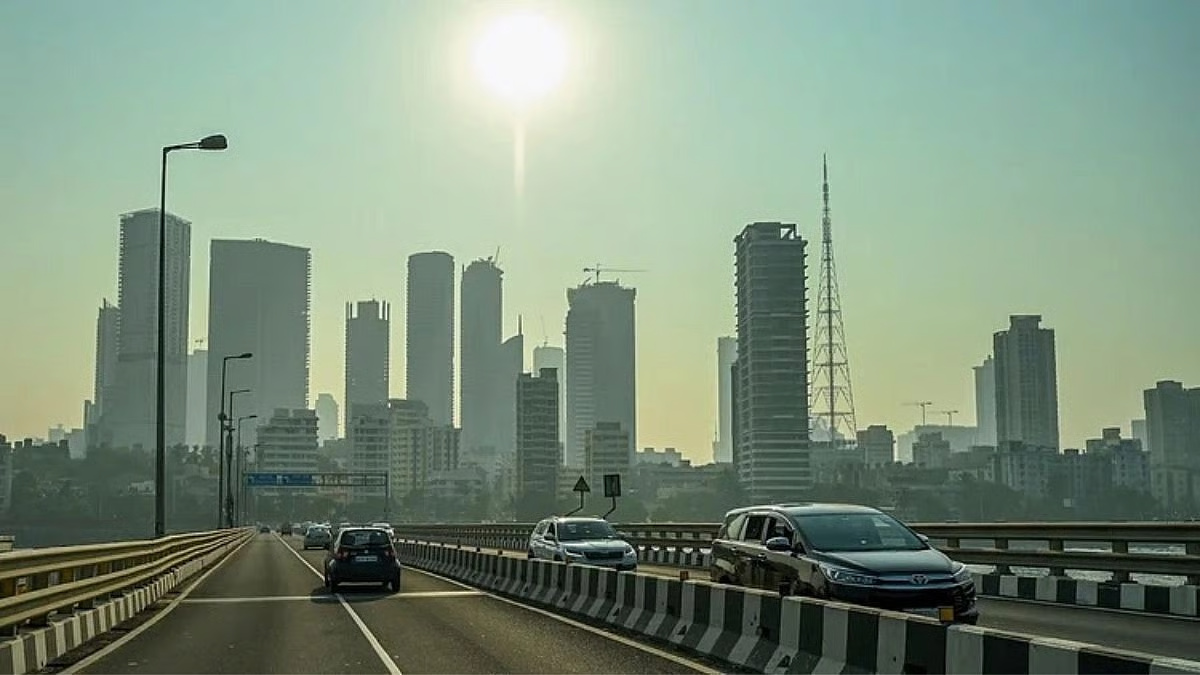
Navi Mumbai’s civic administration has issued a citywide heatstroke advisory as rising temperatures and prolonged dry conditions intensify public health concerns across the Mumbai Metropolitan Region. The warning comes amid growing evidence that extreme heat events are becoming more frequent and prolonged, placing mounting pressure on urban infrastructure, healthcare systems and vulnerable communities. The Navi Mumbai Municipal Corporation has urged residents to adopt precautionary measures during peak daytime hours, particularly as pre-monsoon heat conditions continue to strengthen across Maharashtra. Officials described heatwaves as a major urban risk that often develops silently but can rapidly escalate into a public health emergency, especially in densely populated cities with limited shaded public spaces.
The advisory arrives at a time when climate experts are increasingly linking urban heat stress to rapid construction activity, shrinking green cover and expanding concrete surfaces that trap and radiate heat. Urban planners note that satellite cities such as Navi Mumbai are especially vulnerable because of fast-paced infrastructure growth combined with rising population density. Civic health teams have highlighted symptoms associated with heatstroke, including severe dehydration, dizziness, exhaustion, muscle cramps and elevated body temperature. Emergency response guidelines issued by the administration encourage immediate cooling measures and hydration support for affected individuals. Medical professionals say delayed intervention during extreme heat episodes can significantly increase health risks for elderly residents, children, outdoor workers and pregnant women. The administration has also appealed to residents to reduce exposure during afternoon hours and avoid unnecessary outdoor activity between noon and late afternoon. Public advisories recommend the use of loose clothing, hydration fluids and water-rich foods, while stressing the importance of protecting pets, street animals and vulnerable populations from direct heat exposure.
Urban climate researchers say the growing frequency of such advisories reflects a larger transformation in Indian cities, where heatwaves are increasingly being treated as infrastructure and governance challenges rather than purely seasonal weather events. Heat exposure affects not only public health but also labour productivity, transport systems, water demand and electricity consumption. Navi Mumbai’s heatwave preparedness measures are also being viewed through the lens of climate resilience planning. Experts argue that long-term adaptation will require more than seasonal alerts, including expanded urban tree cover, reflective building materials, shaded pedestrian infrastructure, water-sensitive planning and stronger public cooling systems in dense residential zones. The advisory further underscores the intersection between public health and urban design. Areas with limited ventilation, poor access to green spaces and extensive paved surfaces often experience significantly higher local temperatures, particularly during late summer months before the monsoon onset.
Officials have additionally urged organisers of outdoor events, sports activities and public gatherings to ensure access to drinking water and shaded areas. Healthcare facilities across the city have been asked to remain alert for possible heat-related illnesses as temperatures continue to fluctuate. With forecasts suggesting continued heat stress before the arrival of monsoon rainfall, civic authorities are expected to maintain close monitoring of weather conditions while encouraging residents to adopt preventive measures as part of everyday urban life.