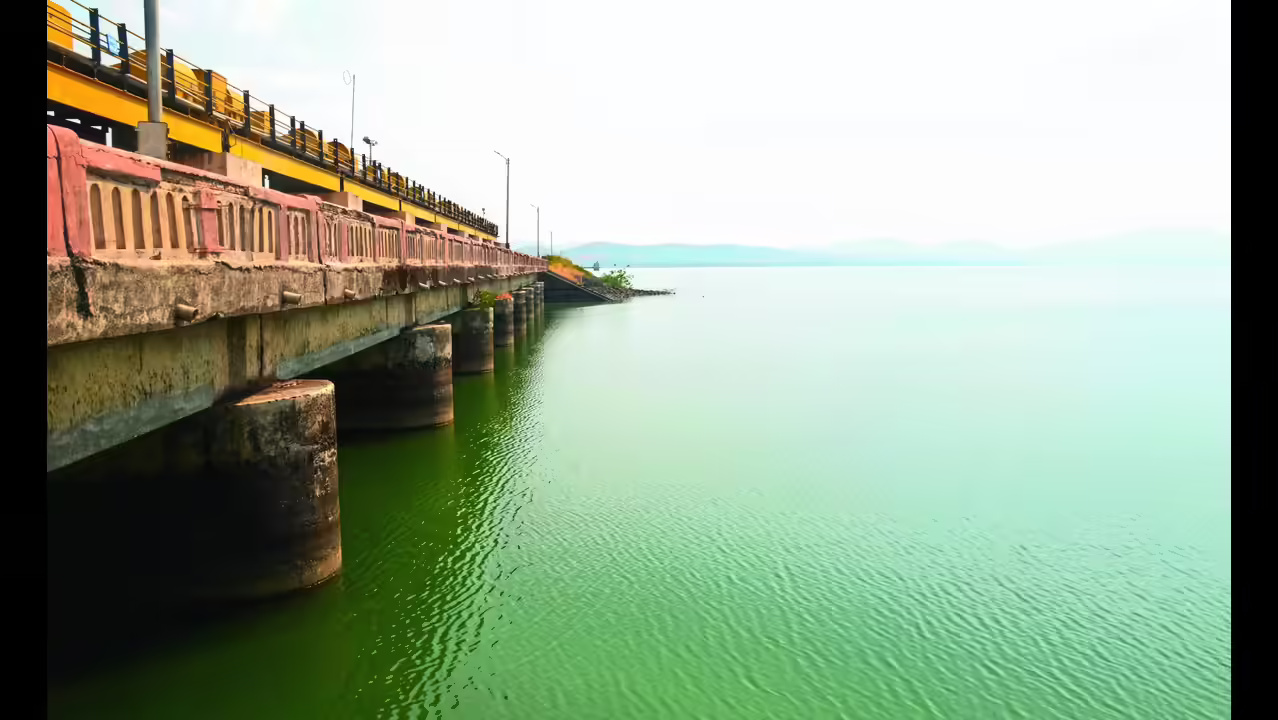
Maharashtra Dam Storage Drop Raises Supply Concerns
Maharashtra is entering a critical phase of the summer season as reservoir levels across the state continue to decline sharply ahead of the monsoon, intensifying concerns over urban water resilience, rural supply stability and climate-linked resource stress. Official data shows live storage across more than 3,000 dams has dropped significantly within just over two weeks, exposing the vulnerability of water systems during prolonged heat conditions. Figures released by the state’s water resources authorities indicate that Maharashtra dam storage fell from 45.32 per cent in late April to 36.57 per cent by early May. The decline comes at a time when temperatures across several districts have remained consistently high, accelerating evaporation losses and increasing drinking water demand in both urban and rural regions.
The situation has already turned critical in some areas, with at least seven reservoirs reporting zero live storage. Water experts warn that while agriculture demand remains relatively low before the kharif sowing cycle begins in mid-June, sustained heatwaves combined with delayed rainfall could deepen pressure on municipal water supply systems over the coming weeks. Officials have reportedly instructed irrigation and water management departments to closely regulate releases from major and medium reservoirs, especially for industrial consumption. Urban planners say such interventions reflect a growing shift in state policy where drinking water security is increasingly being prioritised over non-essential allocations during climate-sensitive months. Despite the broader decline, regional variations continue to shape Maharashtra’s water outlook. Marathwada, historically among the state’s most drought-prone regions, currently holds comparatively stronger reserves than the previous year. Reservoirs in the region are operating above last year’s storage levels, aided by favourable monsoon conditions during 2025. The Jayakwadi reservoir, considered vital to the region’s water economy, is also holding improved reserves compared to the same period last summer.
Vidarbha divisions have similarly reported healthier storage levels than last year, particularly in large irrigation projects that benefitted from above-average rainfall and runoff. However, officials caution that the pace of depletion during May and June could accelerate if temperatures continue to rise and rainfall forecasts weaken further. Climate researchers note that Maharashtra’s recurring summer water stress reflects a larger structural challenge tied to rapid urbanisation, groundwater depletion and dependence on monsoon-fed reservoirs. Cities across the Mumbai Metropolitan Region, Pune belt and semi-urban industrial clusters remain highly exposed to fluctuations in seasonal rainfall patterns driven by global climate events such as El Niño. The state administration has also directed departments overseeing conservation and watershed management to accelerate ongoing projects and prepare district-level mitigation plans. Experts believe long-term resilience will depend not only on dam storage expansion, but also on urban water recycling, rainwater harvesting, aquifer restoration and stricter regulation of water-intensive development.
With the southwest monsoon still weeks away, Maharashtra’s current reservoir trends are likely to remain under close monitoring as authorities attempt to balance civic demand, industrial growth and environmental sustainability in an increasingly unpredictable climate cycle