Narela Set for Sustainable Urban Renaissance with Green Infrastructure and Metro Connectivity
Narela, a sprawling sub-city on Delhi’s periphery, is poised for a significant urban renaissance, shedding its historical isolation to emerge as a blueprint for sustainable, equitable city development. This ambitious transformation, spearheaded by the Delhi Development Authority (DDA), aims to replicate the success seen in Dwarka, but with a sharpened focus on eco-friendly practices, gender neutrality, and inclusive growth, aligning with modern urban planning imperatives. The overhaul encompasses crucial infrastructure upgrades, including a comprehensive revamp of its sewage, road, and drainage networks, alongside enhanced public services and pivotal metro connectivity.
For too long, Narela’s vast potential remained untapped due to its remote location and inadequate infrastructure. However, a concerted effort by urban planners seeks to reverse this trend. The comprehensive plan, developed with an eye towards creating a liveable, forward-looking urban space, extends beyond mere physical upgrades. It includes significant improvements in street lighting, water supply, and public transport connectivity, crucial for daily life and fostering a sense of safety and community. The initiative also prioritises enhanced policing, a vital component for ensuring a secure environment for all residents, irrespective of gender or background.
A cornerstone of Narela’s revitalisation is the considerable investment in educational infrastructure. A substantial 115 acres of land has been earmarked for various educational institutions, including major universities like Delhi Technological University, Indira Gandhi Delhi Technical University for Women, Guru Gobind Singh Indraprastha University, and Delhi Teachers University. This strategic allocation is set to transform Narela into a vibrant educational hub, attracting students and faculty, which will in turn stimulate economic activity and foster a dynamic intellectual environment. The presence of these institutions is expected to organically promote a more gender-neutral and equitable landscape, with diverse populations contributing to the sub-city’s social fabric.
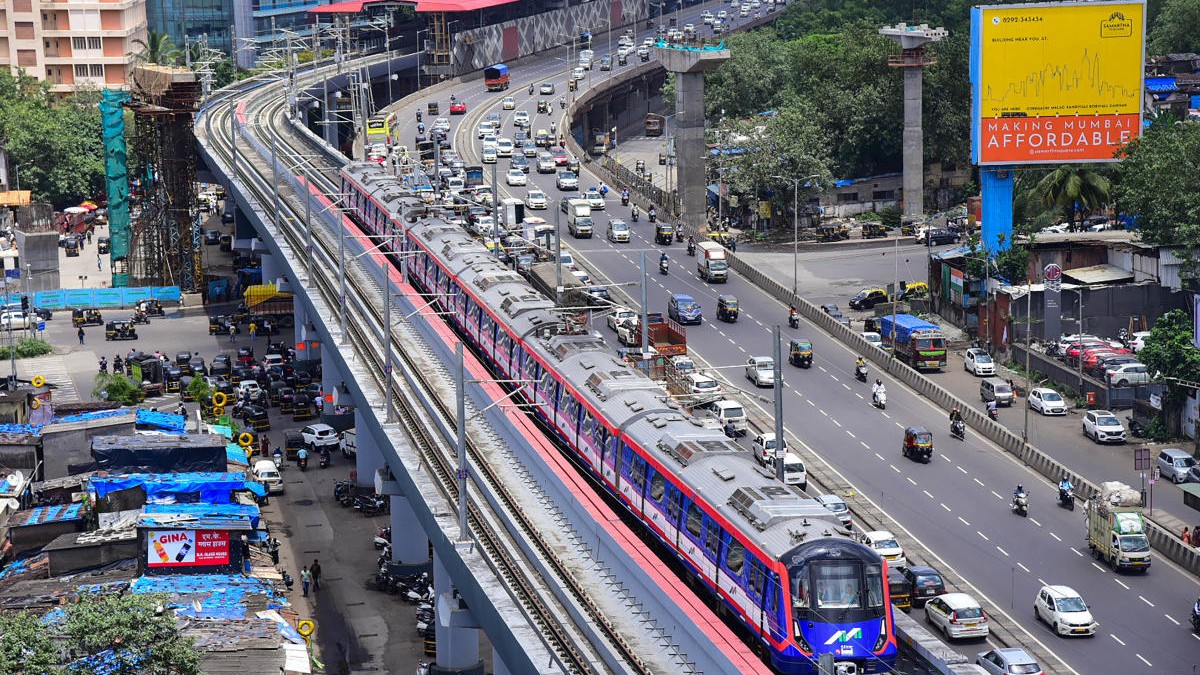
Further bolstering Narela’s connectivity and sustainability credentials is the imminent Rithala-Narela-Kundli Metro line. This 26.5 km corridor, featuring 21 stations and an estimated cost of Rs 6,230 crore, represents a monumental leap in accessibility. Once operational, it will dramatically reduce travel times, integrate Narela seamlessly with the wider National Capital Region, and significantly lower the carbon footprint associated with daily commutes by promoting public transport over private vehicles. The metro’s foundation stone was laid earlier this year, signaling the project’s rapid progression and its critical role in the sub-city’s future.
Beyond connectivity and education, the DDA is also investing in the social and recreational well-being of Narela’s future residents. A multi-sports integrated stadium, for which approximately 50 acres of land has been allotted, underscores the commitment to holistic development. This facility will not only promote physical activity and community engagement but also serve as a beacon for healthy living, contributing to a higher quality of life for all. The emphasis on green spaces and integrated facilities aligns with the vision of creating a zero net carbon, eco-friendly urban environment where sustainability is woven into the very fabric of daily life. This integrated approach to urban planning, encompassing infrastructure, education, connectivity, and recreation, sets Narela apart as a model for future sustainable urban development in India. The aspiration is to forge a city that is not only well-connected and economically vibrant but also socially inclusive and environmentally responsible, ensuring a thriving future for generations to come.