


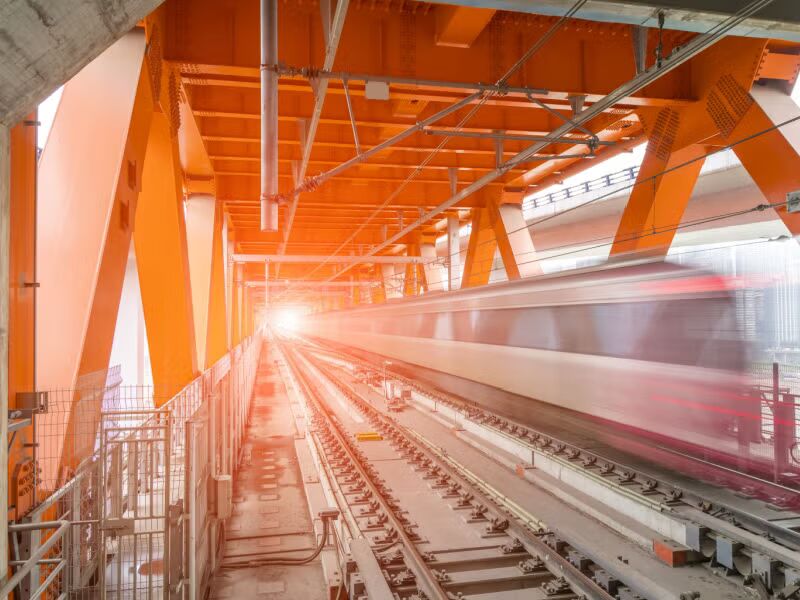
Nagpur Metro’s second phase is moving into a critical systems integration stage, with authorities progressing plans for an advanced fare collection network aimed at modernising urban mobility. The development marks a shift from physical infrastructure expansion to digital transit systems, signalling how cities are increasingly embedding technology into public transport ecosystems. The proposed Automatic Fare Collection (AFC) system for Phase 2 is expected to enable seamless, cashless travel across the metro network.
Designed to support interoperable payment methods, including the National Common Mobility Card (NCMC), the system is intended to integrate multiple modes of transport under a unified payment framework. With an estimated contract value exceeding ₹150 crore and a multi-year implementation timeline, the project reflects growing investments in backend infrastructure that often remain invisible to commuters but are central to system efficiency. Urban transport officials indicate that such systems can reduce transaction time, minimise congestion at entry points, and improve data-driven planning through real-time passenger insights. The rollout comes as Nagpur Metro Phase 2 continues to expand its physical footprint, with multiple civil, signalling, and telecommunications contracts already awarded across corridors. This layered approach—combining construction with digital upgrades—signals a broader shift in how metro systems are being designed, where operational intelligence is as important as network size. The Nagpur Metro Phase 2 initiative is part of a larger effort to position the city as a model for integrated urban mobility in emerging metropolitan regions. By enabling interoperable ticketing, the AFC system could eventually link metro services with buses, feeder systems, and other public transport options, reducing reliance on private vehicles. Urban planners see such integration as critical to achieving low-carbon mobility goals, particularly in fast-growing cities. However, experts caution that technology adoption must be accompanied by inclusive access. While digital ticketing enhances convenience for many, sections of the population—such as the elderly or those without access to banking infrastructure—may face barriers. Ensuring hybrid systems and user-friendly interfaces will be essential to avoid exclusion. There are also implications for urban data governance. Advanced fare systems generate large volumes of commuter data, which can be used to optimise routes, predict demand, and improve service frequency. At the same time, this raises questions around data privacy and institutional capacity to manage such information responsibly. From a sustainability perspective, efficient fare systems can indirectly support climate goals by making public transport more attractive and reducing wait times. When combined with reliable service and last-mile connectivity, such upgrades can encourage a modal shift away from personal vehicles, easing congestion and lowering emissions.
The progress of Nagpur Metro Phase 2 reflects a broader transformation in India’s urban transport strategy, where infrastructure is increasingly paired with digital innovation. As implementation advances, the effectiveness of these systems will depend on how well they integrate with existing urban networks and respond to the diverse needs of commuters. For Nagpur, the next phase of development will not only be about expanding reach but also about ensuring that the metro evolves into a seamless, inclusive, and resilient mobility backbone for the city.
ALSO READ – Nagpur Weather Forecast Signals Rising Heat Pressure
Nagpur Metro Phase Two Advances With Digital Systems
