


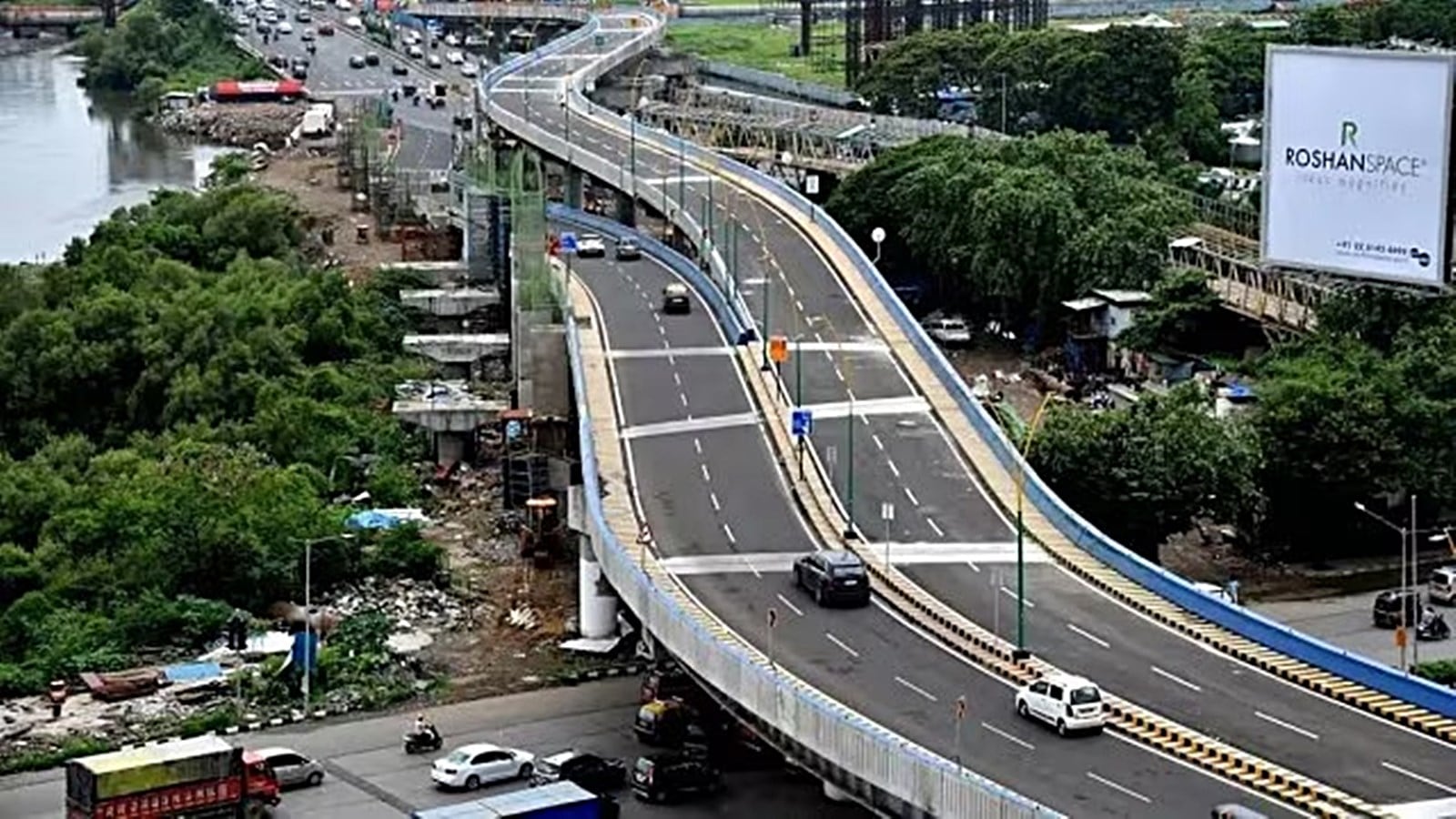
Mumbai’s long-awaited Versova–Madh Bridge has finally received environmental clearance from the Union Ministry of Environment, Forest and Climate Change (MoEFCC), marking a significant step in improving coastal connectivity in the city’s western suburbs. The ₹2,395-crore project, designed as a cable-stayed structure, is expected to cut travel time between Versova and Madh Island from nearly an hour to just ten minutes.
The Brihanmumbai Municipal Corporation (BMC) will execute the project, which has been in the pipeline since Mumbai’s 1967 Development Plan. The civic body had floated tenders in March 2023 and awarded contracts by September the same year. The bridge, spanning 2.06 kilometres, is projected to be completed within three years once final legal formalities are cleared.
Civic officials confirmed that with MoEFCC’s in-principle approval now secured, the next step involves approaching the Bombay High Court for final permission, as the alignment passes over mangrove-rich Marve Creek within the Coastal Regulation Zone (CRZ). Approvals have already been received from the state coastal management authority and the forest department. An environmental impact assessment (EIA) has been prepared to ensure minimal ecological disruption.
The project’s cost, initially estimated at ₹1,800 crore, has risen by around 33% owing to higher market rates, labour costs, and GST inclusion. Officials emphasised that the bridge will be fully cable-stayed, with limited piling activity to protect marine and mangrove habitats. This design modification follows earlier objections raised by the local fishing community and the Maharashtra Coastal Zone Management Authority (MCZMA), which had sought a realignment to reduce environmental damage.
Urban infrastructure planners view the project as a crucial link in Mumbai’s evolving coastal network. Once operational, it will not only connect Madh Island to Versova but also integrate with the upcoming Coastal Road extension towards Bhayander. The bridge aims to decongest arterial routes such as Link Road and SV Road, while reducing reliance on ferry services that often halt during the monsoon.Experts say that while the bridge enhances regional mobility, its construction highlights the delicate balance between development and ecological preservation. A senior urban transport expert remarked that large-scale infrastructure projects must now adopt “green engineering” principles, ensuring low-carbon materials and climate-resilient designs.
With Mumbai investing heavily in its coastal infrastructure, including the Coastal Road and the Sewri–Nhava Trans Harbour Link, the Versova–Madh Bridge strengthens the city’s long-term strategy to promote smoother, sustainable urban mobility. If executed responsibly, the project could become a benchmark for balancing growth with environmental stewardship a defining test for Mumbai’s next chapter of coastal transformation.
