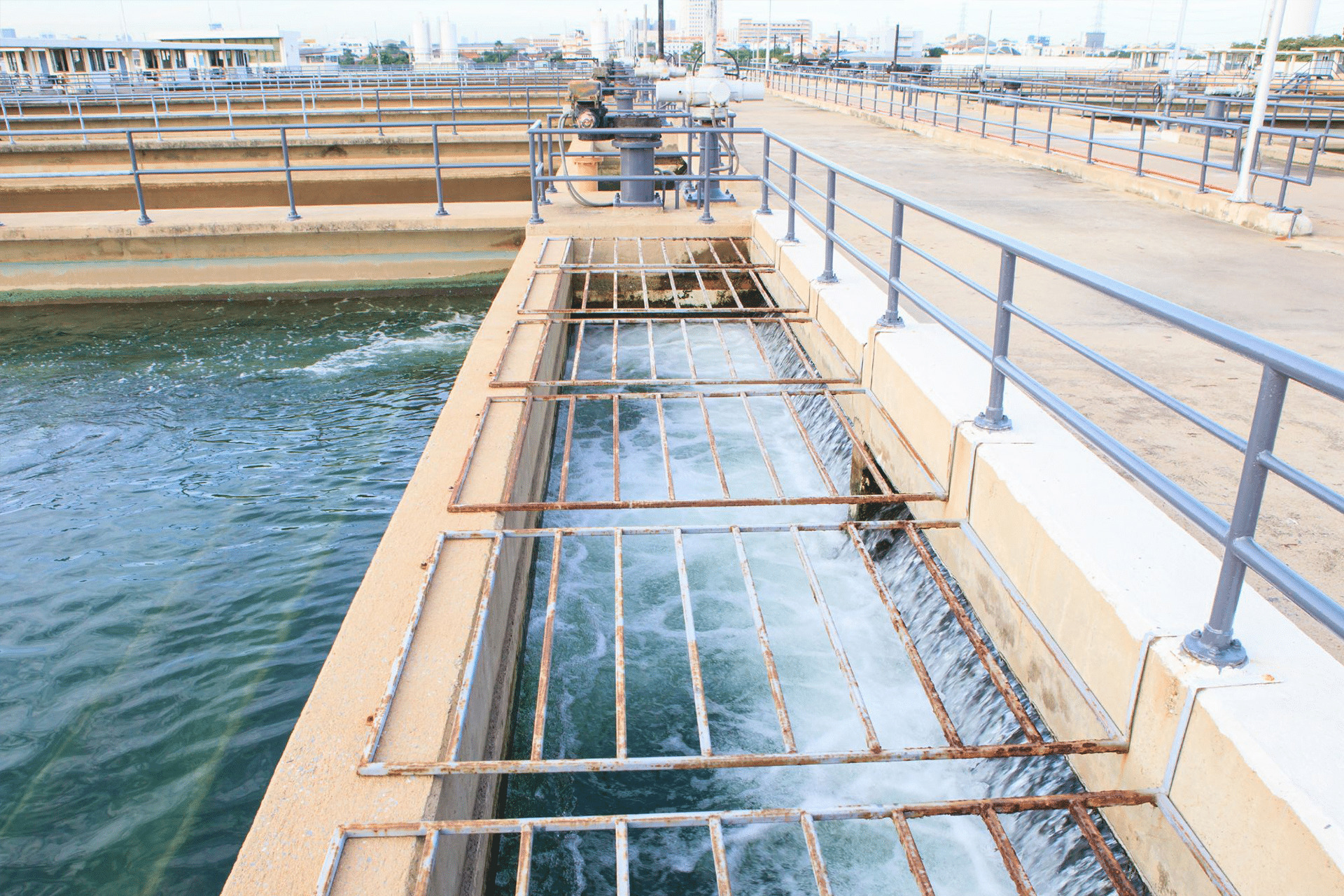
Mumbai is preparing for one of its largest water infrastructure expansions in decades, with plans to build two advanced water treatment facilities aimed at significantly increasing the city’s daily potable water capacity by 2030. The proposed investment reflects mounting pressure on India’s financial capital to secure long-term water resilience amid population growth, rising climate risks and expanding urban demand. The Brihanmumbai Municipal Corporation (BMC) has approved a ₹4,210-crore programme to construct new treatment plants at Bhandup and Panjrapur. Together, the facilities are expected to process nearly 3,000 million litres per day (MLD), strengthening a supply system that currently struggles to bridge the gap between demand and available water.
Mumbai presently requires roughly 4,300 MLD of water every day, while supply remains below that threshold during peak summer months. Periodic water cuts have become routine in several neighbourhoods as reservoir levels fluctuate and ageing infrastructure faces operational stress. Urban planners say the expansion of Mumbai water supply infrastructure is becoming increasingly urgent as climate variability alters rainfall patterns across the region. The city depends heavily on a network of distant lakes and dams, making treatment efficiency and storage management critical to maintaining reliable access for households, healthcare facilities and businesses. The Bhandup complex, which has served as Mumbai’s primary filtration hub since the late 1970s, was designed for a much smaller urban population. Civic engineers now believe existing treatment systems will be inadequate once additional bulk water projects begin operations later this decade. Officials involved in the planning process indicated that upcoming projects — including a large desalination facility and the Gargai dam network — could together add around 850 MLD of raw water supply to the metropolitan region from 2029 onwards. Without parallel upgrades to filtration and distribution systems, however, much of that capacity would remain underutilised.
The new treatment plants are also expected to support Mumbai’s broader shift toward circular urban water management. Alongside freshwater projects, the city is developing seven large sewage treatment plants across multiple suburban and central locations. These facilities are designed to process wastewater for industrial and non-potable reuse, reducing pressure on freshwater reserves. Environmental analysts note that integrating recycled water into the urban supply chain could become essential for Mumbai’s long-term sustainability goals. Reusing treated wastewater for construction, landscaping and industrial cooling may help preserve drinking water reserves while lowering pollution discharge into creeks and coastal ecosystems. The Mumbai water supply overhaul also carries wider economic implications. Infrastructure experts believe improved water reliability could strengthen investment confidence in housing, commercial districts and manufacturing clusters, particularly in fast-growing suburban corridors where infrastructure deficits have constrained development.
While construction timelines remain ambitious, urban policy observers say the long-term success of the programme will depend not only on engineering execution, but also on reducing transmission losses, improving equitable distribution and preparing the city for increasingly unpredictable climate conditions.