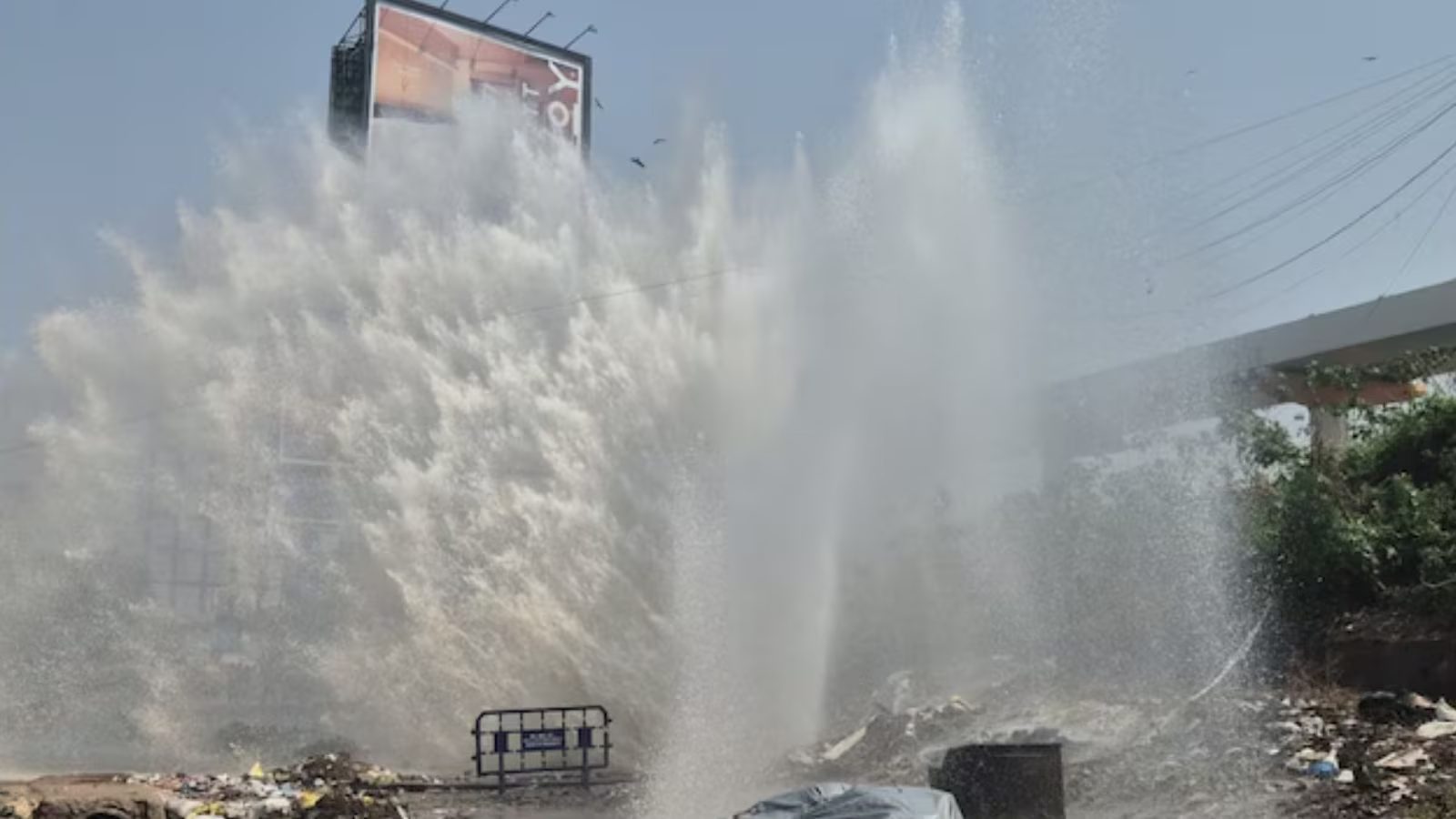
Mumbai Pipeline Burst Floods Elphinstone Bridge Area
A water pipeline rupture in central Mumbai disrupted supply and caused sudden flooding near Elphinstone Bridge during scheduled distribution hours, highlighting the growing vulnerability of urban utilities amid ongoing construction activity. The incident occurred during evening supply time, intensifying inconvenience for residents and commuters in one of the city’s busiest transit zones. The Mumbai pipeline burst was traced to damage sustained during foundation work in the area, where infrastructure upgrades are currently underway. The rupture of a mid-sized distribution line led to rapid water accumulation on adjoining roads, temporarily affecting pedestrian movement and vehicular flow. Emergency teams were deployed to contain the leak and initiate repairs, with authorities aiming to restore normal supply before the next cycle.
Urban infrastructure specialists note that such incidents are becoming more frequent in dense cities where new construction overlaps with ageing underground networks. In Mumbai, much of the water distribution system has been in place for decades, often without updated mapping or coordination between agencies. This creates a high-risk environment where excavation or piling work can inadvertently damage essential services. The timing of the Mumbai pipeline burst during active supply hours amplified its impact. Water loss not only disrupted scheduled delivery to households but also resulted in wastage—an increasingly critical concern in cities facing resource constraints. Experts point out that leakages contribute significantly to non-revenue water, affecting both efficiency and long-term sustainability of urban utilities. Beyond immediate disruption, the incident underscores the need for integrated planning between infrastructure development and utility management. As cities expand transport and real estate projects, safeguarding existing networks becomes essential to avoid service interruptions.
Improved coordination protocols, real-time monitoring, and updated underground utility mapping are often cited as key measures to mitigate such risks. From a climate resilience perspective, maintaining robust water infrastructure is critical. Sudden flooding from pipeline failures can compound challenges during monsoon periods, when drainage systems are already under pressure. Ensuring that repair mechanisms are swift and preventive measures are in place is central to building resilient urban systems. For local residents, the immediate concern remains continuity of supply and safe mobility in affected areas. While no injuries were reported, the disruption adds to a pattern of infrastructure-related incidents that impact daily life in high-density neighbourhoods.
Looking ahead, urban planners emphasise that as Mumbai continues to invest in large-scale infrastructure upgrades, equal attention must be given to protecting and modernising existing utility networks. Reducing the frequency of such events will depend on stronger oversight, better coordination, and a long-term approach to sustainable urban infrastructure management.