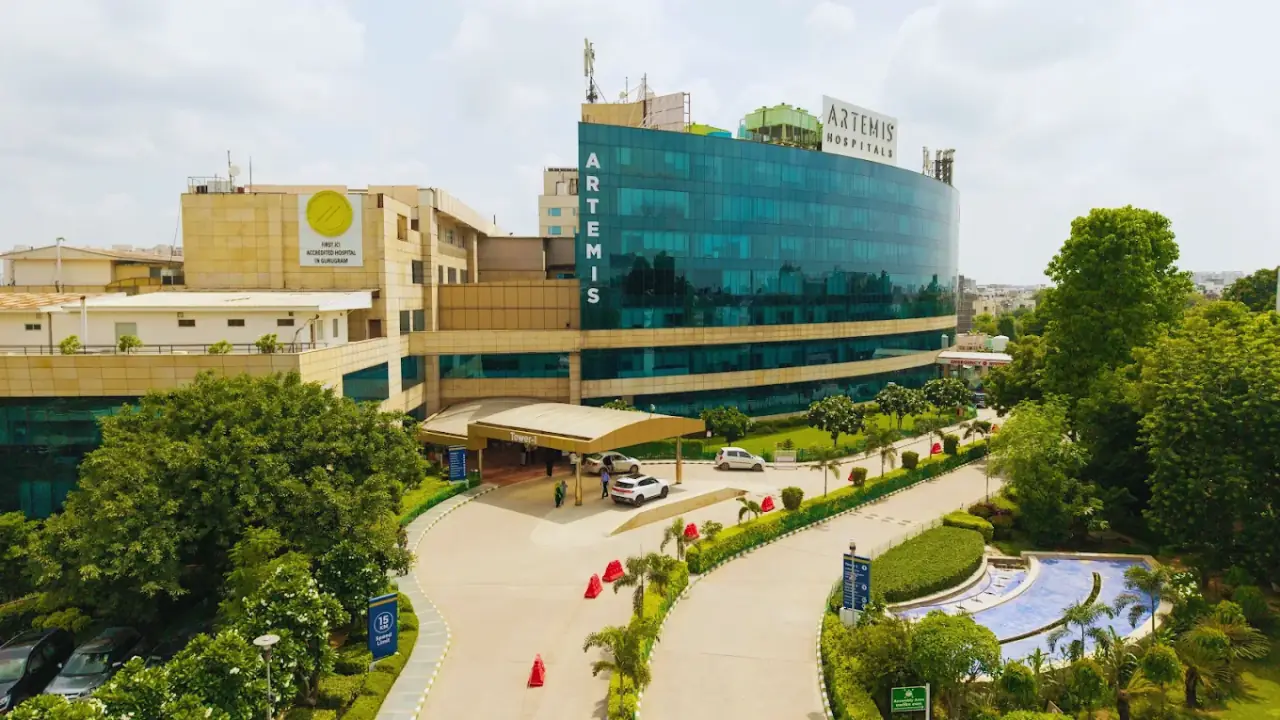
A new specialist outpatient facility focused on kidney disorders and urological conditions has been introduced in Srinagar, signalling a wider shift in how advanced healthcare services are being decentralised beyond India’s major metropolitan centres. The move comes amid rising concerns over chronic kidney disease, lifestyle-linked illnesses, and unequal access to specialised medical infrastructure across northern India.
The newly launched Urology and Renal Transplant OPD, supported by a Gurugram-based hospital network, is expected to provide consultations for kidney stone disease, prostate-related complications, urinary tract disorders, renal cancers, and transplant-linked care. Healthcare professionals associated with the initiative said the service aims to reduce the burden on patients who often travel outside Jammu and Kashmir for specialist treatment. Public health experts note that access to advanced kidney care remains uneven across India’s tier-two and peripheral urban regions, despite a sharp rise in non-communicable diseases. In Kashmir and parts of North India, doctors have increasingly linked urological complications to dehydration, changing food habits, obesity, and limited preventive screening. According to studies referenced by medical researchers, kidney stone disease affects a significant section of the Indian population, with northern states forming part of a high-incidence zone commonly referred to by clinicians as the “stone belt”. Medical practitioners warn that delayed diagnosis frequently results in avoidable complications, including chronic renal damage and higher long-term healthcare costs.
The expansion of specialist kidney care into Srinagar also reflects a broader urban healthcare trend in which private hospital networks are extending secondary and tertiary services into emerging regional centres. Analysts tracking healthcare infrastructure say such models are becoming critical as smaller cities witness population growth, rising incomes, and increasing demand for advanced treatment without dependence on distant metros. Urban planners and healthcare economists argue that improving access to specialised treatment is now closely tied to wider goals of sustainable urban development. Long-distance medical travel places financial and logistical pressure on families, while overstretched metro hospitals continue to face mounting patient inflows from neighbouring states. Strengthening regional healthcare systems can reduce travel-related emissions, ease pressure on urban transport networks, and improve continuity of care for vulnerable populations.
Medical experts associated with the Srinagar initiative indicated that minimally invasive procedures and robotic-assisted interventions are increasingly being adopted for complex urological conditions. While such technologies have largely remained concentrated in metropolitan hospitals, the gradual spread of specialist consultations into regional cities may help improve early detection and treatment outcomes. Healthcare observers, however, caution that expanding advanced OPD services alone will not bridge regional healthcare gaps unless supported by trained personnel, diagnostics infrastructure, public awareness campaigns, and affordable treatment pathways. For many patients in Kashmir and other northern urban centres, timely diagnosis remains a larger challenge than treatment availability itself. As India’s cities continue to grow and climate-linked health risks intensify, experts say urban healthcare planning will increasingly depend on creating distributed, accessible, and resilient medical ecosystems rather than concentrating advanced care in a handful of large cities.