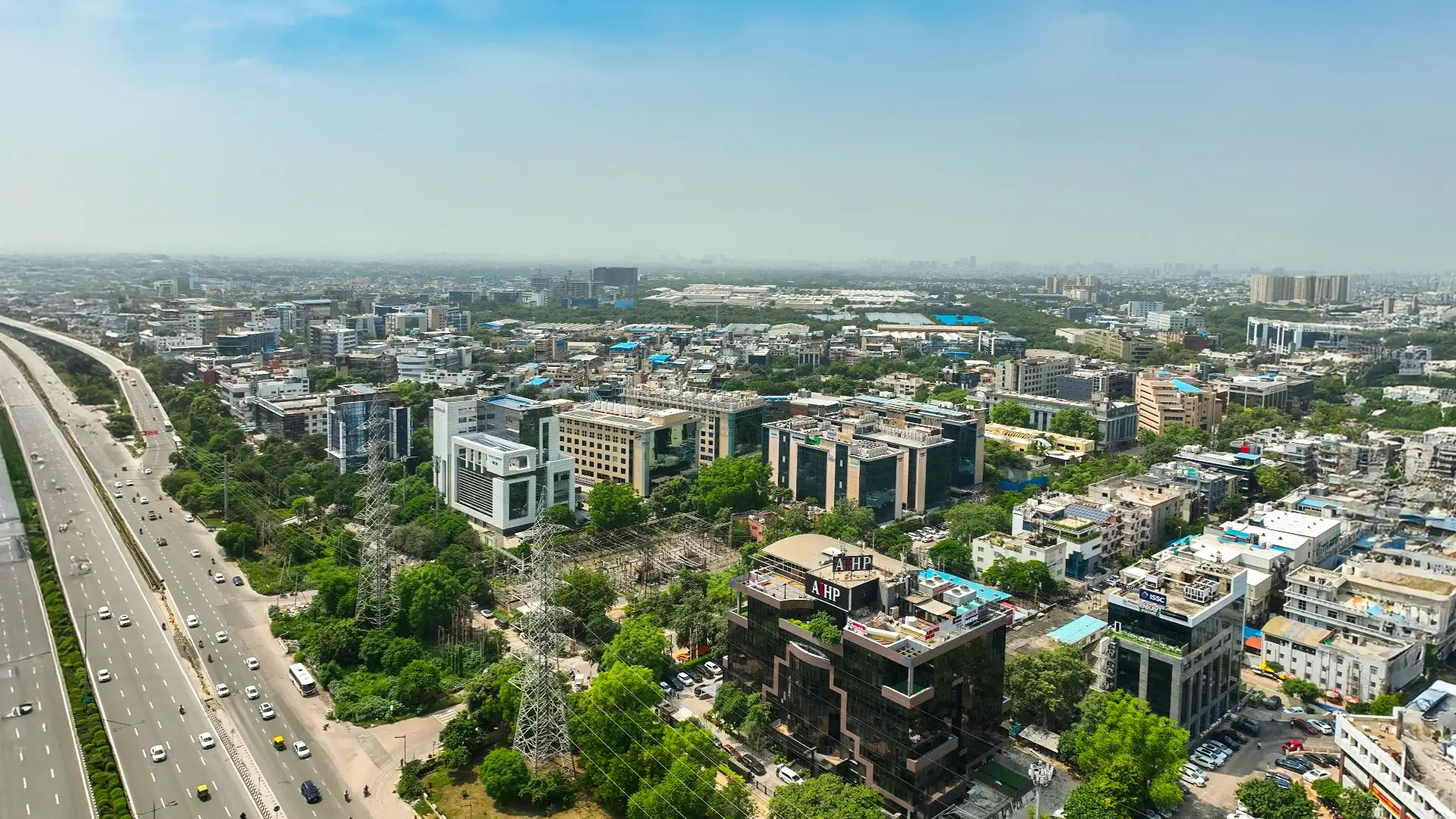
Gurugram’s high-end rental corridor is facing renewed scrutiny after a tenant documented spending more than ₹3.5 lakh before occupying a two-bedroom apartment, highlighting how India’s urban housing markets are increasingly burdening working professionals with steep upfront costs beyond monthly rent.
The case, which gained attention across social media platforms this week, has intensified conversations around affordability, transparency and accountability in India’s rapidly expanding rental economy. The tenant, who searched for accommodation in Gurugram’s Sectors 60 to 66 belt, reported that deposits, brokerage charges, transport expenses and failed booking payments collectively pushed pre-move-in costs to levels comparable to a down payment in smaller cities. At the centre of the debate is Gurugram’s evolving rental market, where premium residential clusters near corporate districts continue to attract high-income professionals despite rising financial barriers. According to the account shared online, the tenant secured a flat with a monthly rent of ₹90,000, but incurred additional expenditures including brokerage fees, security deposits, repeated property visits and temporary income loss during the search process.
Urban housing analysts say such experiences are becoming increasingly common in large metropolitan regions where housing demand is driven by migration linked to technology, consulting and financial services sectors. While rental inflation has accelerated across Delhi-NCR over the last two years, experts argue that hidden transaction costs remain largely unregulated. Industry observers note that brokerage structures in many Indian cities still operate without standardised disclosure norms. Tenants frequently encounter outdated listings, unclear ownership details and token payment disputes during negotiations. Housing researchers say this lack of transparency disproportionately affects young professionals, single tenants and migrant workers unfamiliar with local rental practices. The discussion has also revived concerns around exclusionary housing preferences. The tenant alleged losing advance booking money after being declined accommodation due to bachelor status, a recurring issue flagged by tenant advocacy groups in major urban centres. Experts believe informal screening practices continue to shape access to housing despite growing demand for inclusive rental ecosystems.
Urban planners warn that rising entry costs in the Gurugram rental market may have wider implications for workforce mobility and sustainable city growth. High housing acquisition costs often force professionals into longer commutes from peripheral locations, increasing congestion, transport emissions and stress on regional infrastructure. As NCR cities expand outward, planners argue that equitable housing access will become central to maintaining balanced urban growth. Meteorological shifts and rising summer temperatures across Delhi-NCR have already intensified pressure on urban liveability this year, with residents increasingly prioritising homes offering ventilation, green cover and reduced heat exposure. Experts say climate-responsive housing and transparent rental governance are likely to become defining factors in future urban real estate demand. With India’s rental housing market expanding rapidly alongside urban migration, policy specialists believe the latest public reaction reflects deeper anxieties around affordability, tenant rights and the absence of structured rental regulation. Many now expect greater focus on digital listing verification, brokerage reforms and more accountable rental practices in high-growth urban corridors like Gurugram.