Mumbai Metro Growth Begins Reshaping Daily Travel Patterns
Mumbai’s expanding Metro network is beginning to alter how commuters move across the city, particularly along the western suburbs where new corridors overlap with established suburban rail routes. The shift is still gradual, but falling Western Railway ridership alongside rising Metro use points to a broader change in Mumbai’s transport market, with comfort, reliability and direct connectivity increasingly influencing everyday travel choices. The numbers, however, do not suggest that suburban rail is losing its central role. Western Railway recorded an average daily ridership of 29.52 lakh in 2025–26, below its pre-pandemic level of 34.87 lakh. Central Railway stood at 38.70 lakh against 43.22 lakh before the pandemic. At the same time, both systems recorded higher revenue, partly because of growing use of AC services and changing passenger patterns.
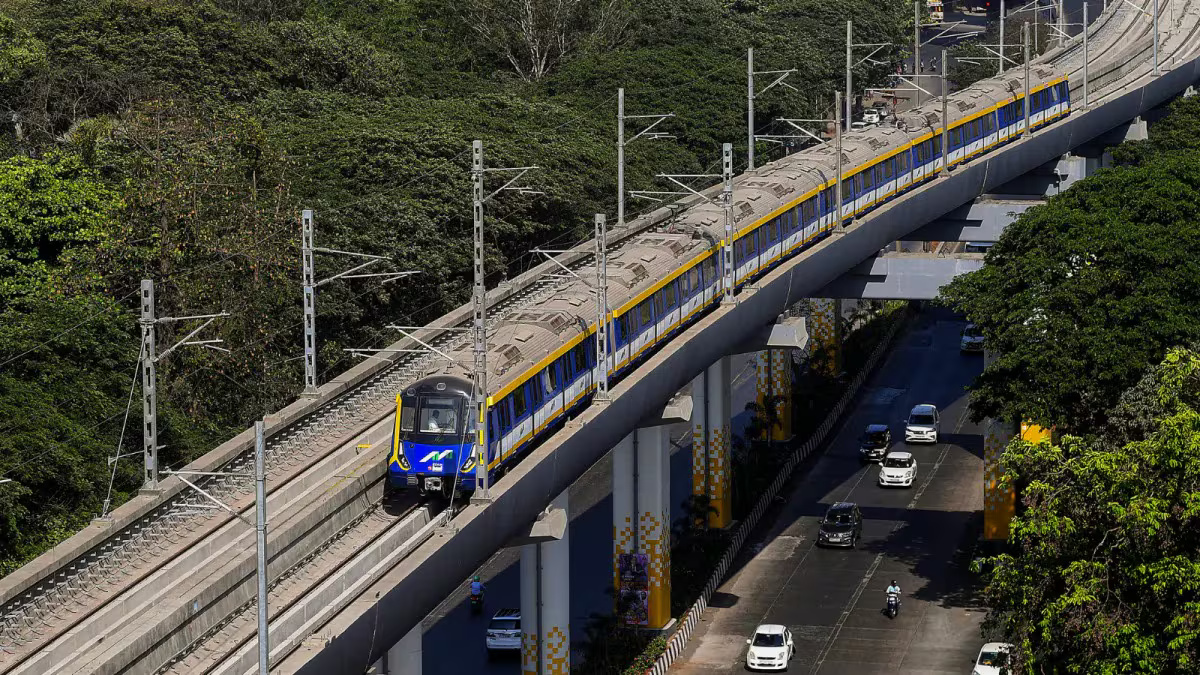
The strongest evidence of Metro-related redistribution is visible on the western side. Metro Lines 2A and 7, running through major suburban catchments between Dahisar and Andheri, crossed 200 million passenger journeys by August 2025. By July that year, the two lines were recording about 3.01 lakh passengers a day, prompting additional services to manage peak demand. That matters because these corridors offer commuters a different proposition from the traditional local train. Air-conditioned coaches, controlled boarding and relatively predictable journey times can make Metro attractive for short and medium-distance trips, especially where stations are close to homes, offices, schools and commercial areas. A previous railway assessment also identified Metro expansion, changing workplace locations and hybrid working as among the factors affecting suburban ridership.
The impact should not be overstated. Mumbai’s suburban railway continues to carry millions of passengers every day, and recent data shows that ridership can rise even as Metro services expand. Central Railway alone reported 1,201.93 million suburban passengers during April 2025 to January 2026. The emerging picture is therefore less about Metro replacing local trains and more about the two systems gradually dividing journeys according to route, destination and travel needs. The next major change could come from a more interconnected Metro grid. Line 3 provides an underground north-south link through major employment districts, while Line 4 is progressing on the Wadala-Thane-Kasarvadavali corridor. MMRDA reported 95% completion of Line 4’s viaduct and station pier work by April 2026. Line 6 could further alter eastern-western travel patterns by connecting Swami Samarth Nagar with Vikhroli and providing interchanges with Lines 2A, 3, 4 and suburban rail. Its planned Kanjurmarg interchange also shows why future Metro growth will depend on integration rather than isolated corridors.
For Mumbai, the bigger test is whether this expanding network produces a genuinely connected public transport system. Metro growth can reduce pressure on saturated routes and support lower-carbon mobility, but its benefits will depend on affordable fares, accessible stations, reliable last-mile links and seamless interchange with suburban rail. The future of Mumbai’s commute is increasingly likely to be defined not by one dominant mode, but by how effectively the network works as a whole.