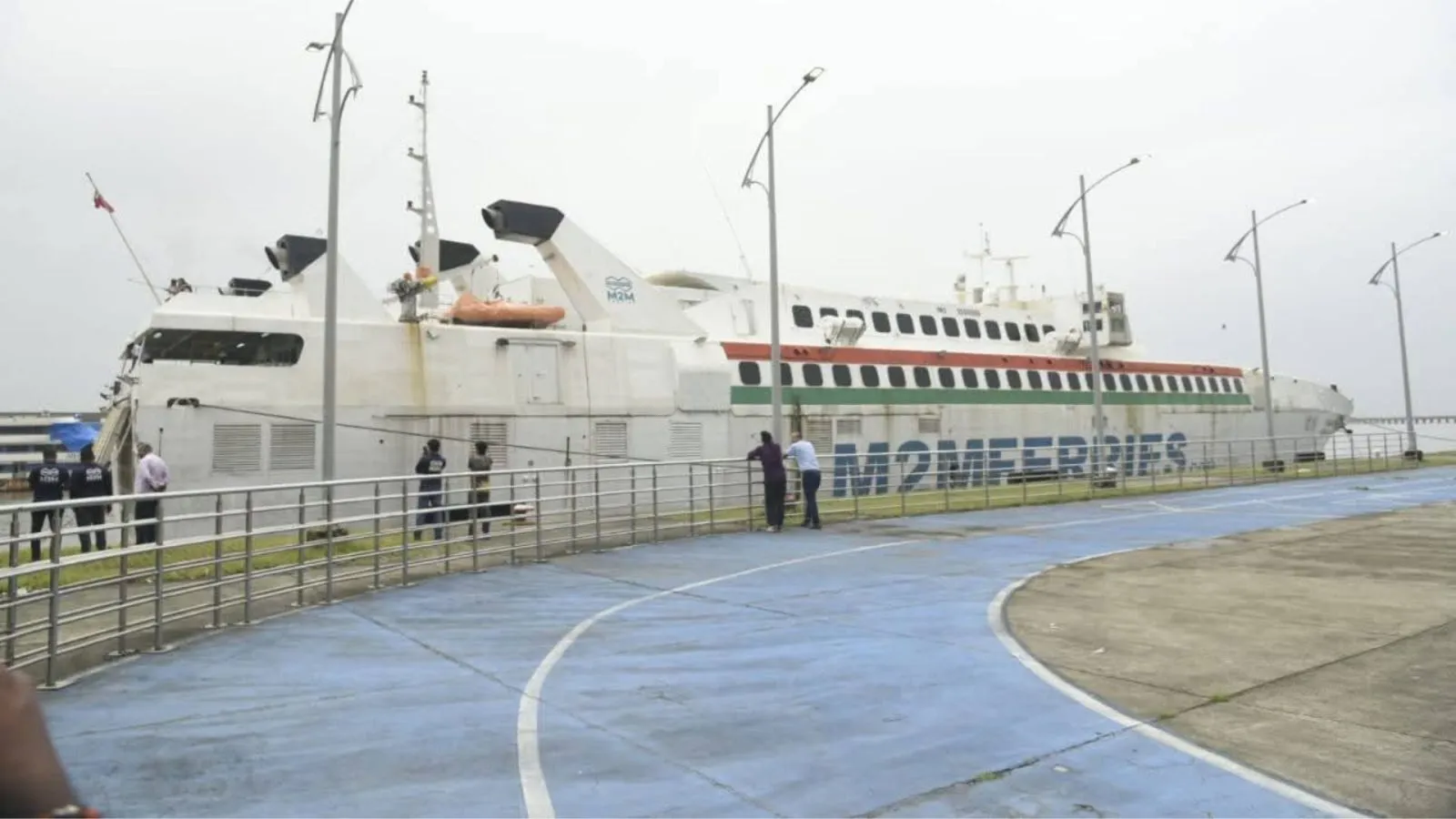
Mumbai is set to regain a long-distance coastal passenger link with the launch of a Roll-on/Roll-off ferry connecting the city to Vijaydurg in the Konkan region, marking a strategic shift in Maharashtra’s transport planning ahead of the peak festive travel season. Scheduled to begin operations in early March 2026, the service is expected to offer a faster, less congested alternative to road travel along the heavily burdened Mumbai–Goa highway corridor.
The new route will connect Mumbai’s eastern waterfront to Vijaydurg, cutting journey time significantly compared to road-based travel, especially during festivals when traffic bottlenecks routinely stretch trips well beyond ten hours. Transport planners view the ferry as a critical step towards diversifying mobility options between the Mumbai Metropolitan Region and coastal Maharashtra. The service is being introduced under the supervision of the Maharashtra Ports Department, with operations assigned to a private ferry operator through a regulated concession model. Officials say this structure is intended to balance operational efficiency with fare oversight and safety compliance, while reviving passenger sea transport that has seen limited investment over the past decade.
According to project briefings, the Ro-Ro vessel will accommodate both passengers and vehicles, allowing travellers to drive directly onto the ferry and disembark at the destination port. This model is expected to benefit families, small traders and logistics-dependent tourism businesses in the Konkan belt, particularly during the Holi period when travel demand surges sharply. Maritime experts point out that coastal shipping and passenger ferries are among the most energy-efficient transport modes per passenger kilometre. “Shifting even a fraction of festival traffic from highways to sea routes can reduce emissions, fuel consumption and road maintenance stress,” said a transport economist specialising in sustainable mobility. The ferry route also aligns with broader national goals of strengthening coastal infrastructure and unlocking underused ports.
Operational details released by authorities indicate that sailings will follow a fixed daily schedule with clearly defined departure and arrival windows to ensure reliability. Ticketing will be managed through digital platforms, with separate fare categories for foot passengers, two-wheelers, cars and commercial vehicles. While fare levels have been positioned as competitive with fuel and toll costs, officials note that pricing has been calibrated to ensure operational viability without excluding regular users. Urban development analysts say the service could have spillover benefits beyond tourism. Improved connectivity is expected to support real estate activity, small-scale fisheries supply chains and local employment around terminal infrastructure at both ends of the route.
As Maharashtra looks to rebalance its transport mix, the Mumbai–Vijaydurg Ro-Ro ferry represents more than a seasonal travel option. Its performance during the initial months will be closely watched as a test case for whether coastal mobility can emerge as a reliable, climate-resilient alternative to road-heavy intercity travel.
Mumbai Konkan Ro Ro Ferry Service Nears Launch