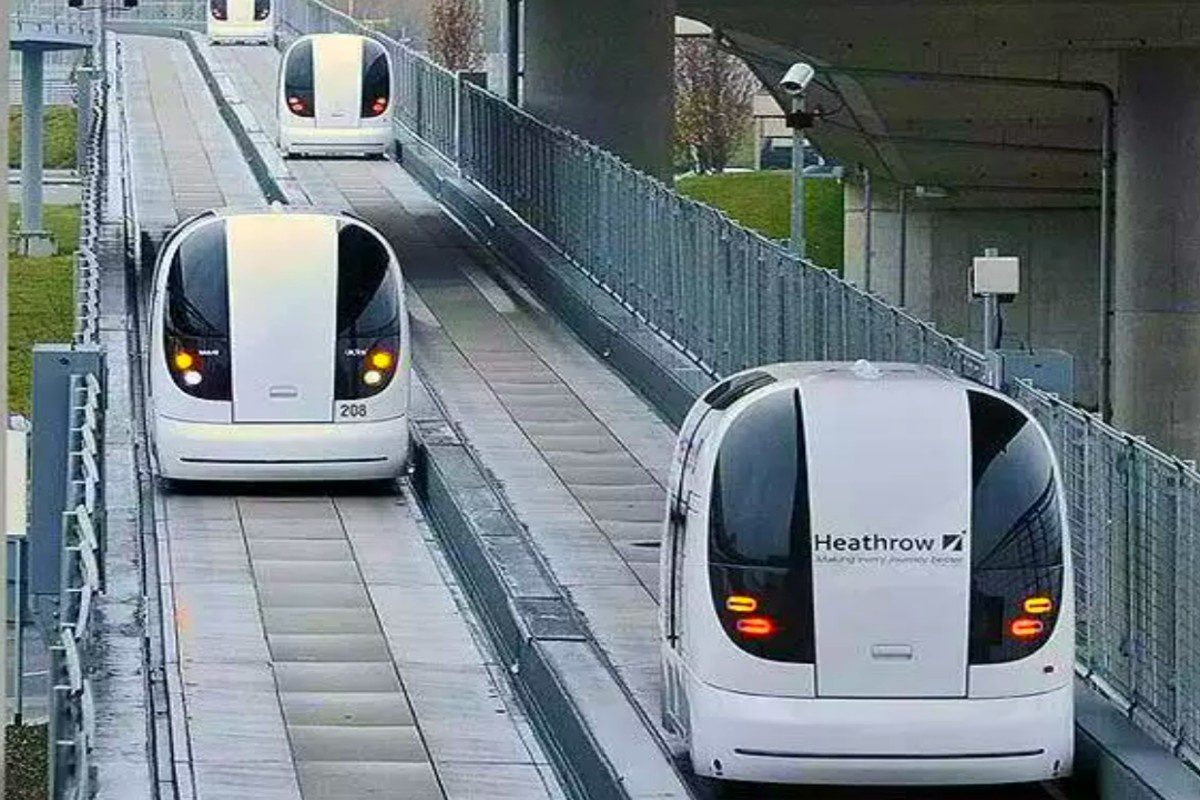
Mumbai Introduces Pod Taxi System For Connectivity
Mumbai is preparing to introduce a new urban mobility system in its financial district, with plans for a pod taxi network aimed at addressing last-mile connectivity challenges in Bandra Kurla Complex (BKC). The initiative marks a shift towards automated, low-emission transport solutions in one of the city’s most congested commercial hubs, where daily commuter volumes continue to rise. The pod taxi network, designed as an elevated, driverless transit system, will operate on dedicated tracks and provide direct, on-demand travel between selected stations. Unlike conventional public transport, the system is expected to minimise intermediate stops, allowing passengers to travel more efficiently across short distances within the business district. Urban mobility experts view this as a targeted response to gaps between major transit nodes and final destinations.
The first phase of the project will cover a limited corridor connecting key entry points to BKC, including areas near Kurla and Bandra East. Over time, the network is expected to expand, creating a wider grid of stations that improve accessibility across office clusters, transport hubs, and civic facilities. The system’s alignment has been planned to reduce dependency on road-based modes such as auto-rickshaws and taxis, which currently dominate short-distance travel in the area. Each pod taxi unit will be battery-operated and designed to carry a small group of passengers, with automated scheduling enabling frequent service intervals. The “hop-on, hop-off” model allows users to select their destination station, reducing travel time compared to fixed-route systems. Planners suggest that such flexibility could make the system particularly useful in dense business districts where travel demand fluctuates throughout the day. Integration with existing transit infrastructure is a key feature of the pod taxi network. The system is expected to connect with nearby metro corridors, enabling seamless transfers for commuters arriving from different parts of the city.
This multimodal approach is critical in reducing reliance on private vehicles and improving overall network efficiency in high-density zones. From a sustainability perspective, the pod taxi network aligns with efforts to reduce emissions and congestion in urban centres. Electric, automated systems offer the potential for lower operational emissions and optimised energy use. However, transport analysts caution that the long-term impact will depend on ridership levels, affordability, and how effectively the system complements rather than competes with mass transit. The project is being implemented through a partnership model, with significant capital investment required for infrastructure and technology deployment. While initial timelines indicate phased construction over the next few years, execution in a densely built environment will require careful coordination to minimise disruption.
As Mumbai explores next-generation mobility solutions, the pod taxi network represents an experiment in rethinking short-distance travel. Its success will depend on how well it integrates with existing systems, meets commuter expectations, and contributes to a more efficient, low-carbon urban transport ecosystem.