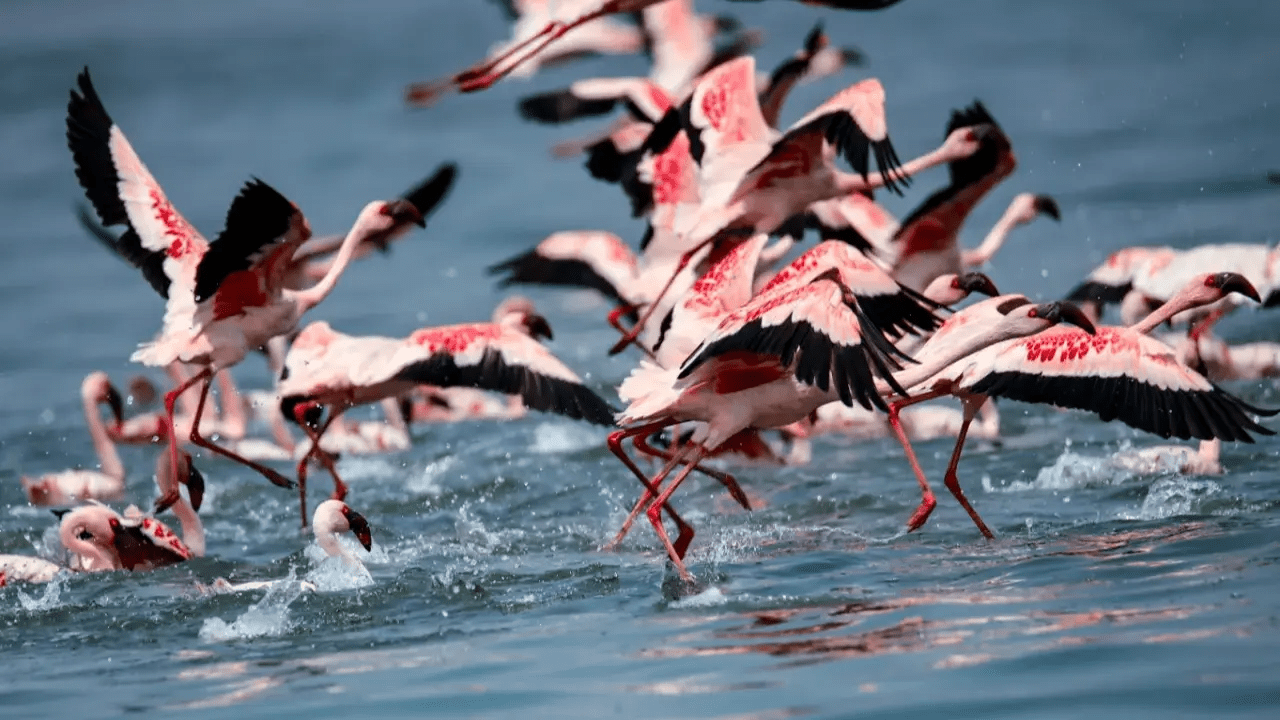
Mumbai Region Records Delayed Flamingo Migration Season
The Mumbai Metropolitan Region is witnessing an unusual shift in its seasonal ecology, with flamingo migration arriving later than expected and in significantly lower numbers this year. The delayed flamingo migration, typically observed at the onset of winter, has raised concerns among environmental observers about the health of coastal wetlands and the broader impact of changing climate patterns on migratory species. Recent sightings indicate that flamingos have begun appearing across key wetland zones only in the past few weeks, months after their usual arrival window. The delayed flamingo migration has coincided with a noticeable drop in population counts, with estimates suggesting a steep decline compared to previous seasons when the region hosted large congregations of these birds.
Ecologists attribute the delayed flamingo migration partly to extended rainfall patterns in western India, particularly in regions where the birds originate. Prolonged monsoon conditions are believed to have altered feeding and breeding cycles, delaying the birds’ movement towards Mumbai’s coastal ecosystems. As weather patterns shift, migration timelines are increasingly becoming less predictable, reflecting broader climatic disruptions. At the same time, local environmental conditions are emerging as a critical factor. Wetlands across Navi Mumbai and surrounding areas have faced mounting pressures from land-use changes, pollution, and hydrological disruptions. Experts note that degradation of mudflats—essential feeding grounds for flamingos—can make these habitats less visible and less viable, forcing birds to either delay arrival or disperse to alternative locations. The delayed flamingo migration has also been accompanied by changing movement patterns within the region.
Observers report that during high tide, birds are increasingly relying on elevated or less disturbed wetlands, indicating a shift in habitat preference. This redistribution highlights the fragility of existing ecosystems and the need for consistent conservation efforts. Urban planners emphasise that wetlands in the Mumbai Metropolitan Region serve as natural buffers against flooding, while also supporting biodiversity. Their degradation not only affects migratory species but also weakens the city’s resilience to climate-related risks. Protecting these ecosystems is therefore not just an environmental priority but a critical component of sustainable urban planning. While limited restoration initiatives have been undertaken in some areas, experts suggest that more coordinated action is required. This includes stricter regulation of land reclamation, improved waste management, and long-term monitoring of ecological indicators. Without such measures, the region risks losing its status as a key habitat for migratory birds.
The current season’s delayed flamingo migration serves as a reminder of the interconnected nature of climate, urbanisation, and biodiversity. As cities expand, balancing development with ecological preservation will be essential to ensure that natural habitats continue to coexist alongside growing urban landscapes.