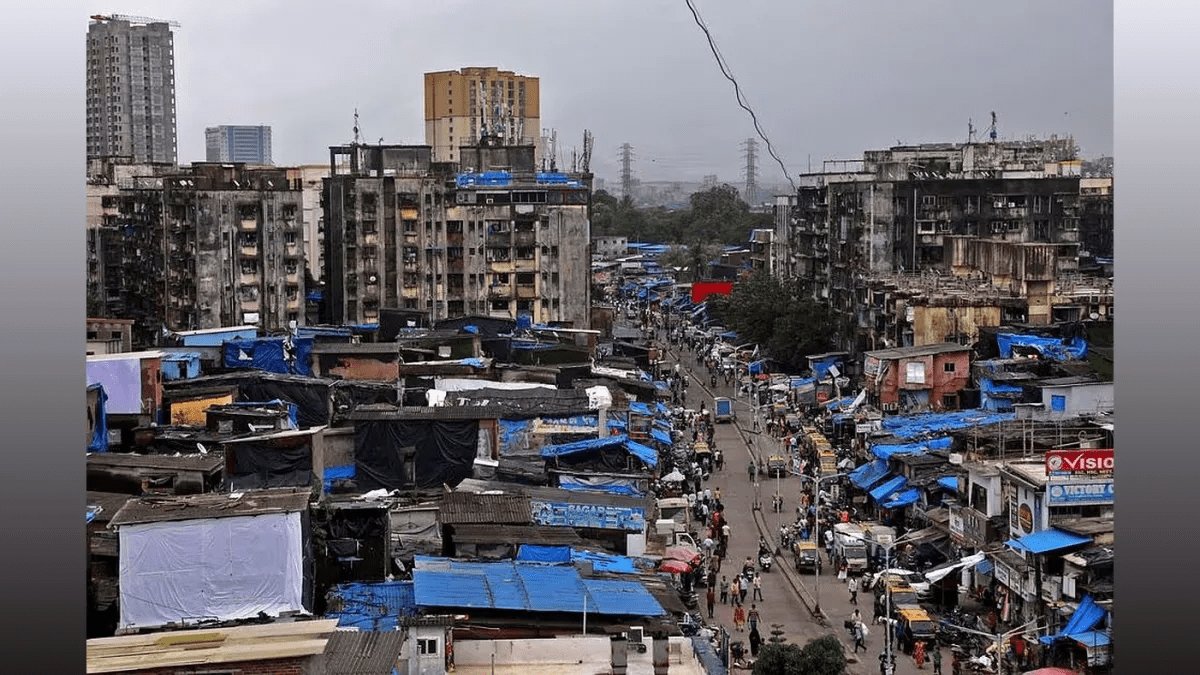
Mumbai Dharavi Redevelopment Cleared Amid Land Dispute
A recent judicial decision has cleared a significant hurdle for the Dharavi redevelopment programme in Mumbai, reinforcing the project’s momentum while raising broader questions about heritage, community rights and urban transformation. The High Court declined to intervene in a petition seeking the exclusion of a large land parcel in Dharavi Koliwada, effectively allowing the Dharavi redevelopment to proceed without alteration. The contested land, located within one of Mumbai’s historic fishing settlements, had been claimed by a community organisation as part of its traditional territory. The group argued that longstanding delays in officially demarcating village boundaries had resulted in shared and cultural spaces being absorbed into the redevelopment plan. These spaces, they maintained, play a crucial role in sustaining both livelihoods and social identity.
However, the court observed that the Dharavi redevelopment has been in motion for several years, with formal notifications issued and project rights already assigned to multiple stakeholders. Housing societies and residents within the area have, in many cases, agreed to redevelopment terms, signalling a degree of consent that complicates late-stage legal challenges. On this basis, the court held that revisiting the project framework at this stage would disrupt an ongoing process with established commitments. The ruling also pointed to the evolving character of the land in question. Over time, the area has undergone significant changes, with dense habitation and informal development altering its original identity. This transformation, the court indicated, makes it difficult to treat the entire stretch as a singular traditional settlement for the purpose of exclusion. For urban planners, the case underscores a recurring challenge in large-scale redevelopment: balancing the need for infrastructure renewal with the preservation of cultural landscapes. Dharavi redevelopment is often cited as one of the most ambitious urban regeneration efforts in India, aimed at improving housing conditions, sanitation and economic opportunities in a densely populated area.
Yet, it also sits at the intersection of competing priorities—formalisation versus informality, redevelopment versus continuity. Experts note that fishing communities and other indigenous groups in coastal cities frequently face displacement risks when land values rise and redevelopment intensifies. The absence of clearly defined boundaries or land titles can further complicate claims, especially in areas that have seen layered occupation over decades. This makes early-stage mapping and participatory planning essential to avoid conflicts at advanced phases of projects. The court has allowed the petitioning body to pursue administrative remedies, including boundary representation, though such steps may have limited impact on the current redevelopment trajectory. This leaves open the question of how cultural and community spaces can be integrated into future planning frameworks without delaying critical infrastructure upgrades.
As Dharavi redevelopment advances, attention is likely to shift towards implementation—how resettlement is managed, how livelihoods are protected and whether the project can deliver inclusive outcomes. The decision reinforces the importance of aligning urban renewal with social equity, ensuring that redevelopment does not come at the cost of erasing long-standing community networks.