Mumbai Developers Face Tougher Rules On Air Quality
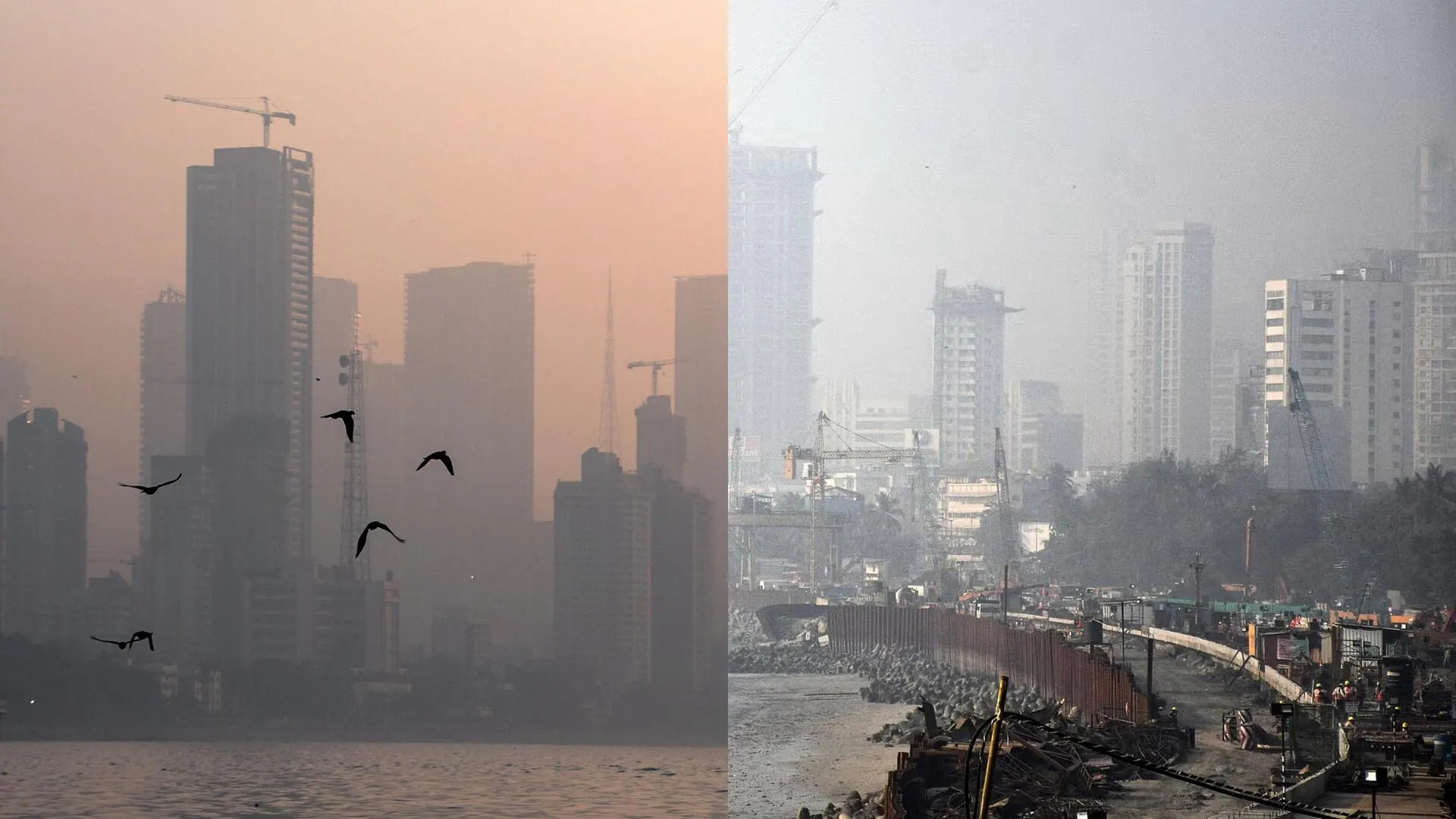
Mumbai’s civic administration has tightened pollution safeguards attached to building approvals, shifting greater compliance responsibility towards developers and architects. The new conditions apply to fresh Intimation of Disapproval (IOD) approvals and amended building plans, with violations potentially affecting development permissions and professional licences. The move brings construction-site dust and emissions more directly into Mumbai’s development-control framework. The Brihanmumbai Municipal Corporation (BMC) issued the revised instructions on September 2 after a series of directions from the High Power Committee monitoring air pollution controls across the Mumbai Metropolitan Region. Construction and demolition have remained a major focus of the committee’s work, particularly because poorly controlled sites can generate dust and particulate matter in densely populated neighbourhoods.
Under the revised approval process, developers and registered architects or licensed surveyors must provide an undertaking accepting responsibility for prescribed pollution-control measures. Where a project faces a stop-work direction because required safeguards have not been implemented, the undertaking can make the project proponents liable for further regulatory action. The consequences extend beyond temporary disruption. The conditions allow for measures including suspension of the relevant professional licence and withdrawal of development permission under Regulation 12 of the Development Control and Promotion Regulations 2034. Any unauthorised construction that continues after a stop-work order can also attract a penalty equivalent to the full applicable premium rate, removing concessions that might otherwise be available under the relevant development provision. For Mumbai’s real estate sector, the change increases the compliance burden attached to construction approvals. Developers will need to treat pollution controls as an ongoing project requirement rather than an issue confined to inspections or enforcement after construction begins.
This could also make site-level monitoring, documentation and contractor management more important during project execution. The implications are particularly relevant in areas experiencing intense redevelopment. Construction activity can bring investment, new housing and infrastructure, but poorly managed dust can impose costs on residents, workers and surrounding businesses. Stronger controls could therefore help align urban expansion with public-health and liveability objectives, provided enforcement remains consistent across project sizes and locations. The revised conditions stem from proceedings before the Bombay High Court concerning air pollution in the Mumbai Metropolitan Region. The High Power Committee subsequently held multiple meetings during March and April 2026, issuing directions covering departments and agencies responsible for pollution management.
BMC building-proposal officials have now been instructed to incorporate the conditions into relevant approvals and ensure their implementation. The effectiveness of Mumbai construction pollution rules will ultimately depend on what happens after permissions are granted: regular monitoring, credible enforcement and timely action against repeat violations will determine whether tighter approval conditions translate into cleaner construction sites. For a city undergoing continuous redevelopment, Mumbai construction pollution rules are increasingly becoming part of the infrastructure equation, linking the pace of real estate growth with the environmental costs borne by surrounding communities.