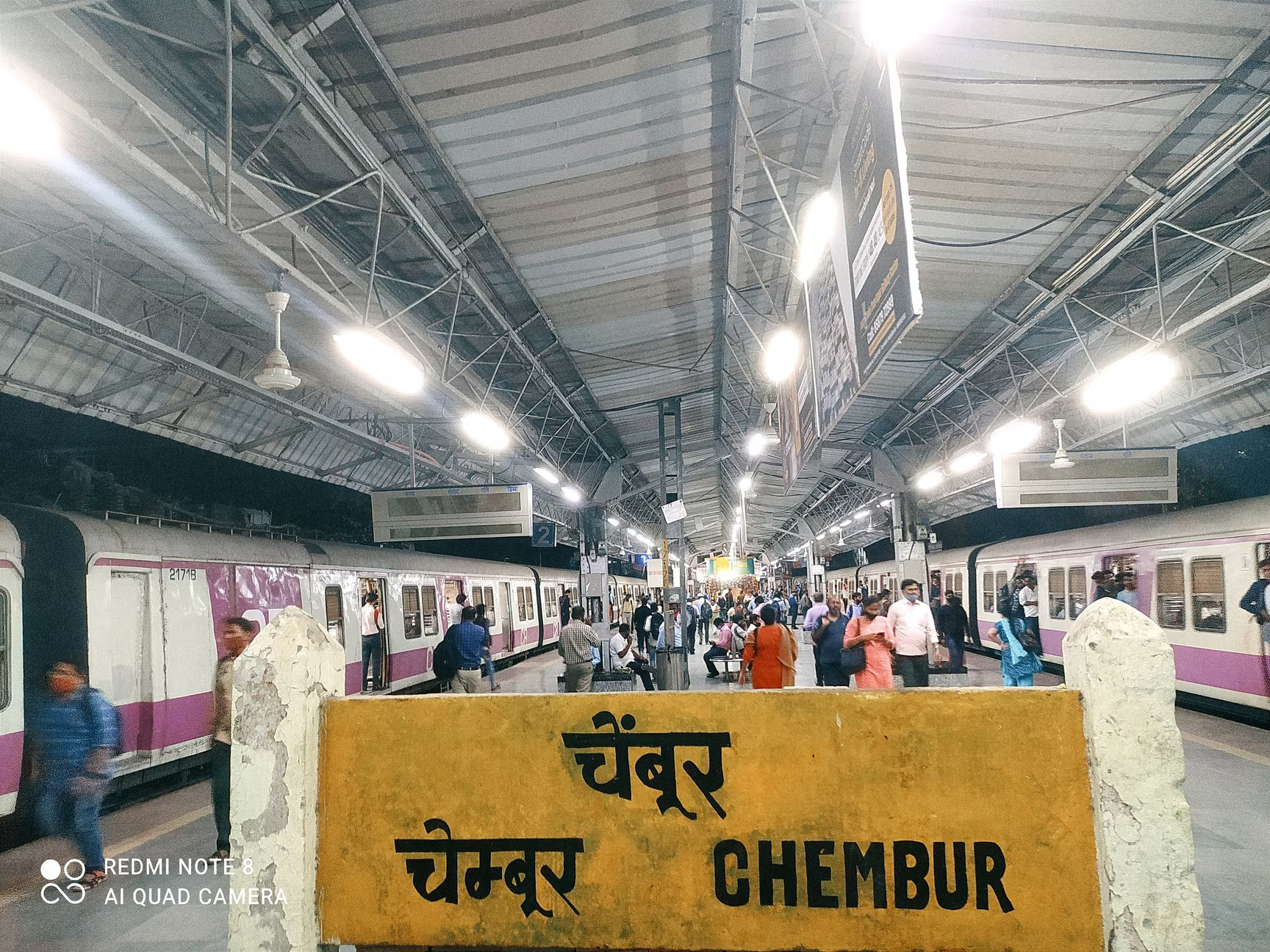
Mumbai Chembur Metro Strengthens Rail Connectivity
Mumbai’s Chembur area is gaining a new role in the city’s transport network as Metro Line 2B adds another interchange option alongside suburban rail and monorail. The station’s proximity to existing transport nodes could make cross-network journeys simpler, while also testing whether Mumbai’s expanding mass-transit system can deliver seamless connections rather than a collection of separate lines. The Chembur Metro station forms part of Line 2B, also known as the Yellow Line, which is being developed to connect Mumbai’s eastern and western districts. Its location close to Chembur railway station and the V N Purav Marg Monorail station gives it strategic importance beyond the immediate neighbourhood.
The short transfer distances are particularly relevant. Chembur railway station is roughly 200 metres away, while the monorail stop is about 100 metres from the Metro station. For commuters, such proximity can reduce the need for intermediate road trips when changing modes. However, the real measure of integration will depend on pedestrian crossings, footpath quality, signage, accessibility and protection from traffic around the interchange. The Mumbai Chembur Metro connection also highlights a broader shift in how urban transport investments are being assessed. A metro line can carry large passenger volumes, but its effectiveness is limited when commuters face difficult transfers at either end. Transport planners increasingly treat interchange design as part of the network itself, with walking time and ease of transfer influencing whether passengers choose public transport over private vehicles. Line 2B is being developed as a major east-west corridor, with the wider alignment intended to strengthen links between areas including Chembur, Mankhurd and the western suburbs. As additional sections open, the station could become more useful to passengers travelling across multiple corridors rather than only those starting or ending in Chembur.
The wider Mumbai Metropolitan Region is simultaneously adding metro capacity and upgrading road infrastructure. That expansion is likely to increase the value of well-designed interchange points. Yet a larger network will not automatically produce shorter journeys. Last-mile access, service frequency, fare integration and safe pedestrian routes will determine whether new infrastructure changes everyday travel behaviour. For the Mumbai Chembur Metro station, the immediate opportunity is therefore to function as a practical mobility hub rather than simply another stop on a rail map. Coordinated footpaths, universal accessibility and clear connections to suburban rail and monorail could help turn the station’s location into a genuine network advantage.
As Mumbai adds more transit capacity, the next phase of urban mobility will be measured increasingly by how easily passengers move between services. Chembur offers an early example of that approach, where the quality of the connection may matter as much as the railway infrastructure itself.
Mumbai Chembur Metro Strengthens Rail Connectivity