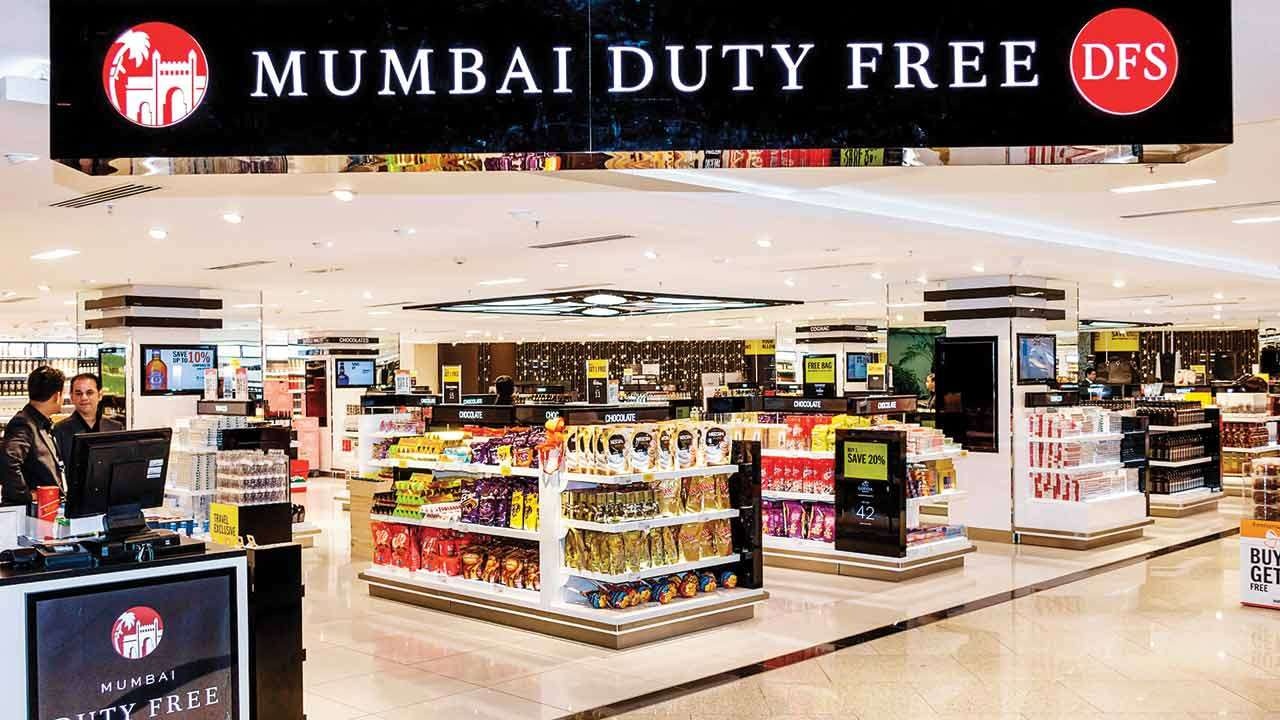
Mumbai Airport Duty Free Pre Booking For Travellers
Mumbai’s international airport is introducing a digital pre-booking system for duty-free shopping, allowing passengers to select and reserve products before arriving at the terminal. The move reflects a broader transformation in airport operations, where retail, logistics and passenger flow are increasingly being redesigned through digital integration. The service enables international travellers to browse and pre-order items across multiple categories ahead of departure or arrival, shifting purchasing decisions to the trip-planning stage. For a high-traffic aviation hub like Mumbai, this approach is expected to reduce congestion at retail counters, improve passenger movement within terminals, and streamline overall airport experience.
Industry observers note that airports are evolving beyond transit points into complex urban ecosystems, where efficiency and time management directly influence traveller satisfaction and operational sustainability. By enabling Mumbai Airport duty free pre booking, authorities are attempting to address long-standing issues such as crowding, last-minute purchases, and uneven demand across retail zones. The system also introduces a more predictable demand cycle for airport retailers. Advance bookings provide clearer visibility into consumer preferences, allowing better inventory planning and reducing waste. In an environment where global supply chains remain volatile, such data-driven retail models are gaining traction across major international airports. Urban planners point out that digital services like Mumbai Airport duty free pre booking can contribute to more efficient energy use within terminals. Reduced dwell time in retail areas can lower peak electricity consumption linked to lighting, cooling, and crowd management systems. While the environmental impact may appear incremental, such operational efficiencies are increasingly relevant as cities pursue low-carbon infrastructure models.
The initiative also signals a shift in how travel platforms and transport infrastructure intersect. Integrating retail services into trip planning platforms reflects a growing trend where mobility, commerce, and digital services converge. For passengers, this translates into greater control over time and spending, particularly in high-pressure environments like international terminals. From an economic standpoint, airport retail remains a significant non-aeronautical revenue stream. Strengthening this segment through digital tools could improve financial resilience for airport operators, especially as passenger traffic fluctuates due to external factors such as fuel costs or global travel trends. However, experts caution that accessibility and ease of use will determine the long-term success of such systems, particularly for first-time or infrequent travellers. The rollout is expected to expand gradually, with additional features likely to be introduced over time. As airports continue to adopt technology-led solutions, the focus is shifting towards creating seamless, less resource-intensive travel environments.
For Mumbai, where passenger volumes are projected to grow steadily, such interventions may play a crucial role in balancing capacity pressures with service quality, while aligning with the larger goal of building more efficient and future-ready urban transport hubs.