


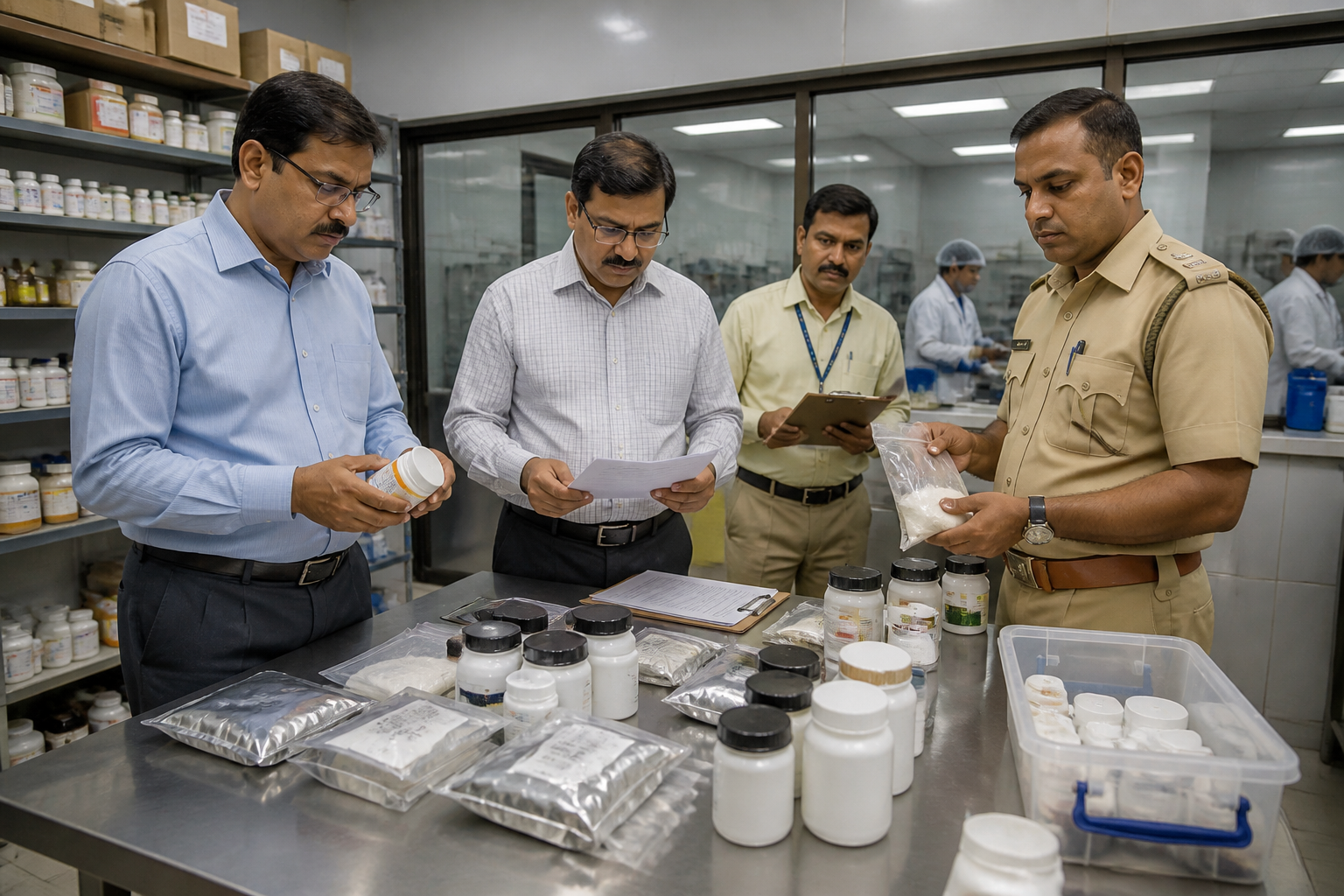
Maharashtra Food Safety Commissioner Tukaram Mundhe has announced planned action against potentially harmful nutraceutical products and adulterated liquor, while proposing stronger penalties for food and drug adulteration and legal accountability for those who advertise such products. He also said the state government would be asked to introduce food-safety education from the first year of school.
Mundhe made the announcement during The Indian Express’s Idea Exchange programme, where he said a campaign would soon be launched against dietary supplements that could affect the health of young people. According to the commissioner, some products contain harmful ingredients and are being sold and used amid widespread regulatory disorder.
The proposed action is expected to cover both the products and their manufacturers. Mundhe said rules governing the sale and use of nutraceuticals would be issued and that strict action would follow against products found to be harmful to health. He also announced a campaign against adulterated liquor, although the report did not specify its start date, enforcement locations or the number of cases expected to be covered.
Mundhe said food safety should be treated as a public movement and that citizens need to play a role in ensuring access to safe food. He added that a proposal would soon be submitted to the Education Department to introduce food-safety lessons for children from the first year of school. The proposal would extend food-safety awareness beyond inspections and enforcement agencies into the formal education system.
The commissioner also said amendments were needed to the Food Safety and Standards Act to increase the deterrent effect of the law. The proposed changes would focus on higher fines and stronger punishments for those adulterating food and medicines. He said the state government would also receive a proposal to bring people who advertise such products within the scope of the law.
Mundhe said the Food Safety and Standards Act had been implemented from 2011, but its impact had not been sufficiently visible. During his tenure, he said, compliance with the law had been made mandatory for hotels, milk businesses and medicine manufacturers. The report did not provide details of the number of establishments inspected or the penalties imposed under these measures.
The commissioner acknowledged that enforcement had upset several industry sectors but said the administration’s priority was to ensure that people received pure food and safe medicines. He said food-safety rules for prasad would apply to all festivals, rather than only to Ganeshotsav. During Ganeshotsav, the department seized 50 tonnes of adulterated mawa, he said, arguing that the action was intended to ensure devotees received uncontaminated prasad.
The proposed measures place Maharashtra’s food-safety administration at the intersection of consumer protection, public-health enforcement and commercial regulation. The next formal steps will be the issuance of rules for nutraceutical products, proposals to amend penalties and advertising-related provisions, and the submission of the food-safety education proposal to the Education Department.
