


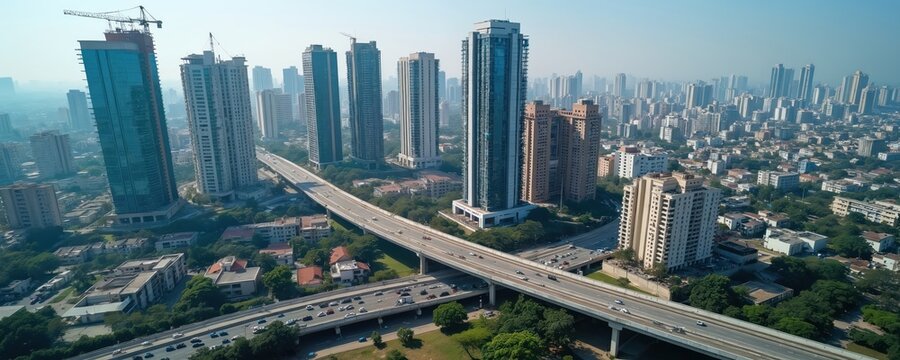
A policy dialogue in Kolkata has brought renewed attention to the “silver economy” as a critical pillar for urban growth, with industry bodies and planners outlining strategies to address the needs of an ageing population while unlocking new economic opportunities.
The discussion signals a shift in how Indian cities may need to recalibrate infrastructure, housing, and healthcare systems to remain inclusive and economically resilient as demographic patterns evolve.The silver economy, referring to goods and services designed for older adults, is increasingly being viewed as a driver of both consumption and employment. In Kolkata, stakeholders highlighted that the city’s demographic profile—marked by a growing share of senior citizens—demands targeted investments in accessible housing, healthcare ecosystems, and mobility solutions. Urban planners note that traditional city layouts often overlook age-friendly design, creating barriers in public transport, walkability, and healthcare access. Addressing these gaps could simultaneously improve quality of life and expand market demand.Experts involved in the discussions indicated that sectors such as assisted living, home healthcare, and wellness services are poised for expansion.Real estate developers are beginning to explore senior-friendly housing models that incorporate safety features, proximity to medical facilities, and community-oriented spaces.
This aligns with broader trends in sustainable urban development, where inclusivity and long-term liveability are becoming central to planning frameworks rather than afterthoughts.From an economic standpoint, the silver economy presents a dual opportunity: supporting an ageing population while generating jobs across healthcare, caregiving, and service industries. Industry observers suggest that with the right policy support, cities like Kolkata could position themselves as hubs for age-responsive infrastructure, attracting both investment and innovation.However, challenges remain, particularly in financing such projects and ensuring affordability for a wide segment of the population.Urban development experts also emphasised the importance of integrating climate resilience into this transition. Older populations are more vulnerable to extreme weather events, making it essential for housing and public infrastructure to incorporate cooling solutions, disaster preparedness, and energy-efficient design.This intersection of ageing and climate adaptation is likely to shape future city planning agendas.The conversation around the silver economy in Kolkata ultimately reflects a broader national imperative.
As India’s urban centres expand, the ability to create environments that cater to all age groups will define both economic competitiveness and social equity. The next phase will depend on coordinated action between policymakers, private developers, and service providers to translate these discussions into tangible urban interventions that are inclusive, resilient, and economically viable.
Also Read:Bengaluru Colleges Seek Skill Based Academic Credit System
