


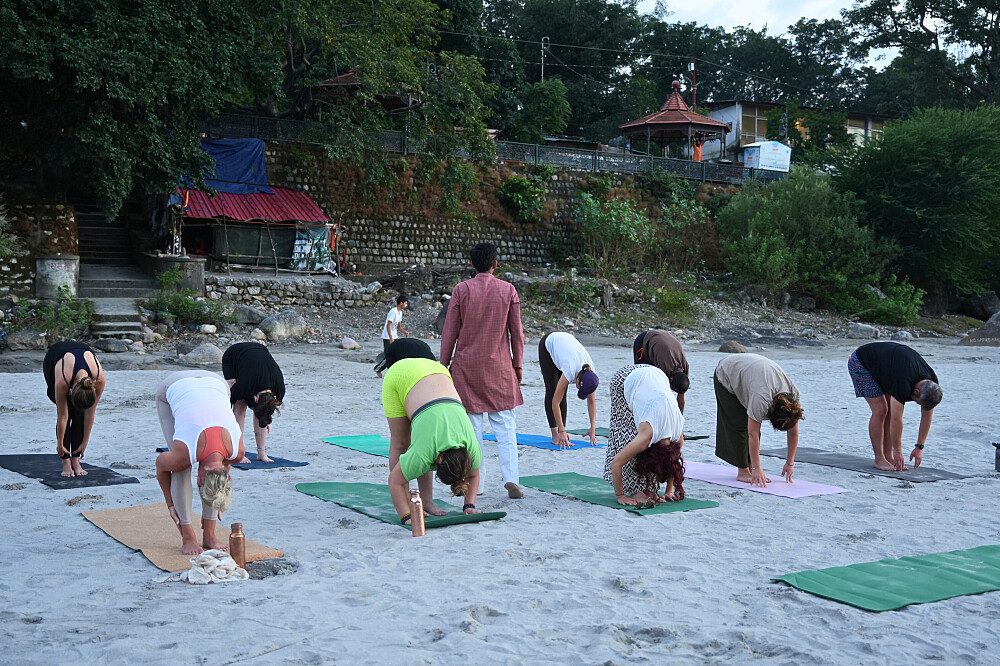
Schools affiliated with a national education board in Kolkata are preparing to introduce Ayurveda and yoga into their formal curriculum, marking a shift towards integrating traditional wellness systems into mainstream education. The move signals a broader rethinking of how health, lifestyle, and preventive care are taught to younger generations in urban India.
Education administrators indicate that the inclusion of these subjects aims to familiarise students with holistic health practices rooted in indigenous knowledge systems. The curriculum is expected to cover foundational concepts of Ayurveda—such as diet, daily routines, and balance—as well as structured yoga sessions focusing on physical and mental well-being.For a city like Kolkata, where dense living conditions and academic pressures often contribute to lifestyle-related health challenges among students, the addition of structured wellness education could influence long-term public health outcomes. Urban health experts point out that early exposure to preventive practices may reduce dependence on reactive healthcare systems and encourage healthier daily habits.However, the introduction of Ayurveda and yoga also raises questions about curriculum balance and implementation. Educators emphasise the need for age-appropriate content, trained instructors, and scientific contextualisation to ensure that the subjects are taught with clarity rather than as abstract or prescriptive traditions.
A senior school administrator noted that integrating such modules requires careful alignment with existing academic schedules to avoid overburdening students.From a broader urban development perspective, the move reflects a growing intersection between education policy and sustainable living. Wellness-focused curricula can contribute to building more resilient urban populations by promoting mental health, physical activity, and awareness of sustainable consumption practices. Experts suggest that such initiatives, if supported with adequate infrastructure—like open spaces for yoga and trained staff—can complement city-level goals around public health and liveability.There are also economic implications. The expansion of Ayurveda and yoga education could create demand for certified trainers, curriculum developers, and wellness professionals, feeding into a growing urban wellness economy. At the same time, equitable access remains a concern, particularly for schools with limited resources that may struggle to implement new programmes effectively.
As schools in Kolkata begin this transition, the long-term impact will depend on how well the initiative bridges traditional knowledge with contemporary urban realities. If executed thoughtfully, it could redefine how cities approach preventive health education, linking classrooms to broader goals of sustainable and inclusive urban living.
Also Read:Kolkata Bike Restrictions Impact Urban Mobility Access
