


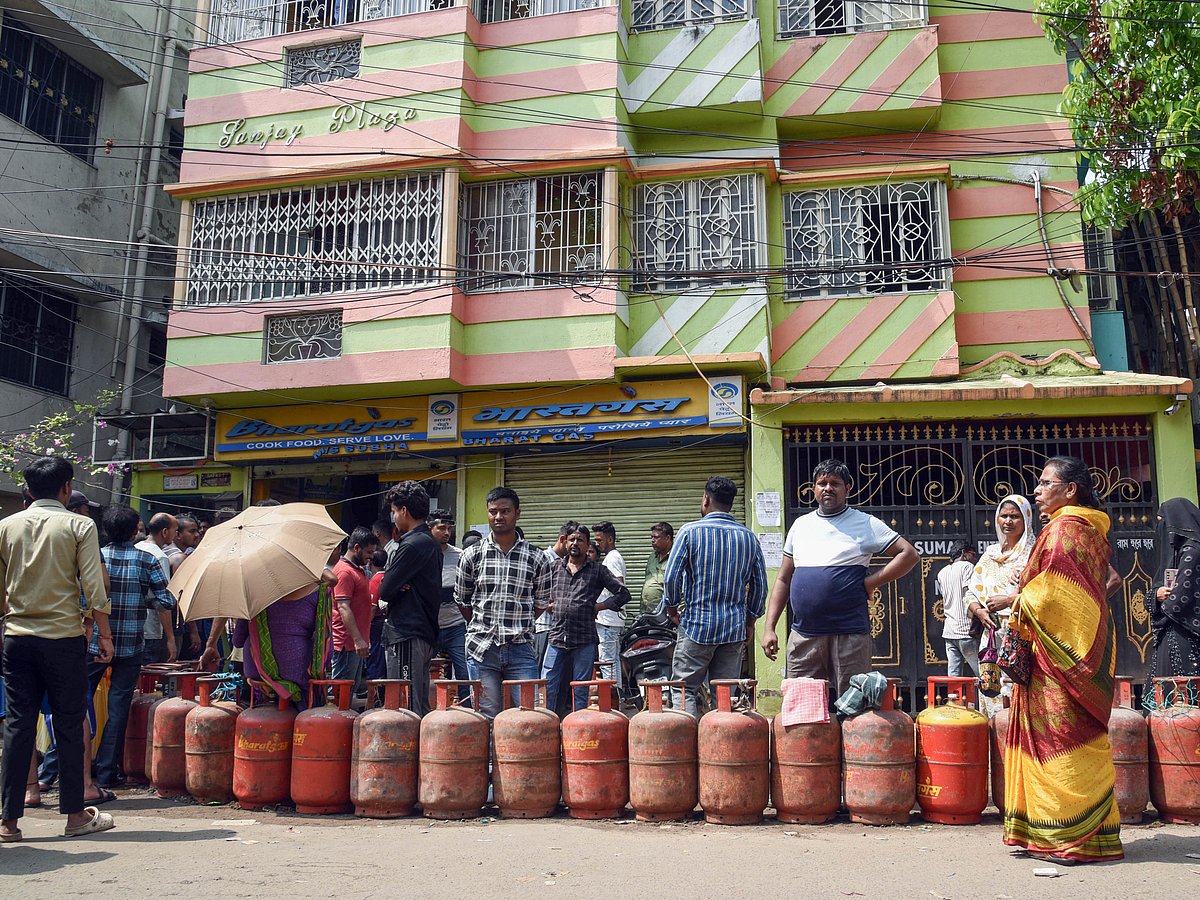
Kolkata’s festive dining patterns are undergoing a noticeable shift as restrictions on domestic LPG booking cycles are pushing households to increasingly rely on restaurants and catering services.
The change, emerging during a peak cultural period, highlights how supply-side constraints in essential utilities can reshape urban consumption behaviour and impact local service economies.The imposition of limits on LPG refill timelines has made it difficult for many households to manage increased cooking demand during festivals. As a result, families are opting to dine out or order prepared meals, leading to a surge in demand for restaurants across the city. This shift underscores the growing interdependence between household consumption and the urban hospitality sector.Industry observers note that Kolkata LPG booking cap effects are particularly visible during high-consumption periods, when traditional cooking practices typically involve elaborate meal preparation.The inability to secure timely refills has disrupted these routines, nudging consumers towards external food options. For restaurants, this has translated into higher footfall and increased order volumes, particularly for festive menus.From an economic standpoint, the Kolkata LPG booking cap has created a short-term boost for the food service industry, especially small and mid-sized establishments that cater to local communities.
However, it also highlights vulnerabilities within household energy supply systems, where limited flexibility can have cascading effects on daily life and spending patterns.Urban economists point out that such shifts can alter consumption dynamics over time. Increased reliance on dining out may persist beyond the immediate constraint period, influencing long-term demand trends in the hospitality sector. At the same time, higher expenditure on prepared food can place additional financial pressure on households, particularly in lower and middle-income segments.The development also raises questions about energy access and urban resilience. Ensuring reliable and flexible LPG supply is critical not only for household convenience but also for maintaining stability in urban consumption systems. Disruptions in essential services can quickly ripple through multiple sectors, affecting both livelihoods and quality of life.Sustainability considerations add another layer to the discussion. Greater dependence on commercial cooking increases aggregate energy consumption and may lead to higher emissions, depending on the fuel sources used by restaurants. Encouraging energy-efficient practices and exploring alternative cooking fuels could help mitigate environmental impact.Urban planners highlight that the situation reflects the need for integrated policy approaches that consider the linkages between energy, food systems, and urban living. Strengthening distribution networks, improving supply predictability, and enabling adaptive consumption patterns are key to building resilient cities.
As Kolkata navigates the current festive season, the impact of LPG booking limits on dining habits offers a clear example of how infrastructure constraints can influence everyday urban behaviour. The focus going forward will be on ensuring that essential services keep pace with demand, supporting both household needs and the broader urban economy.
Also Read:

