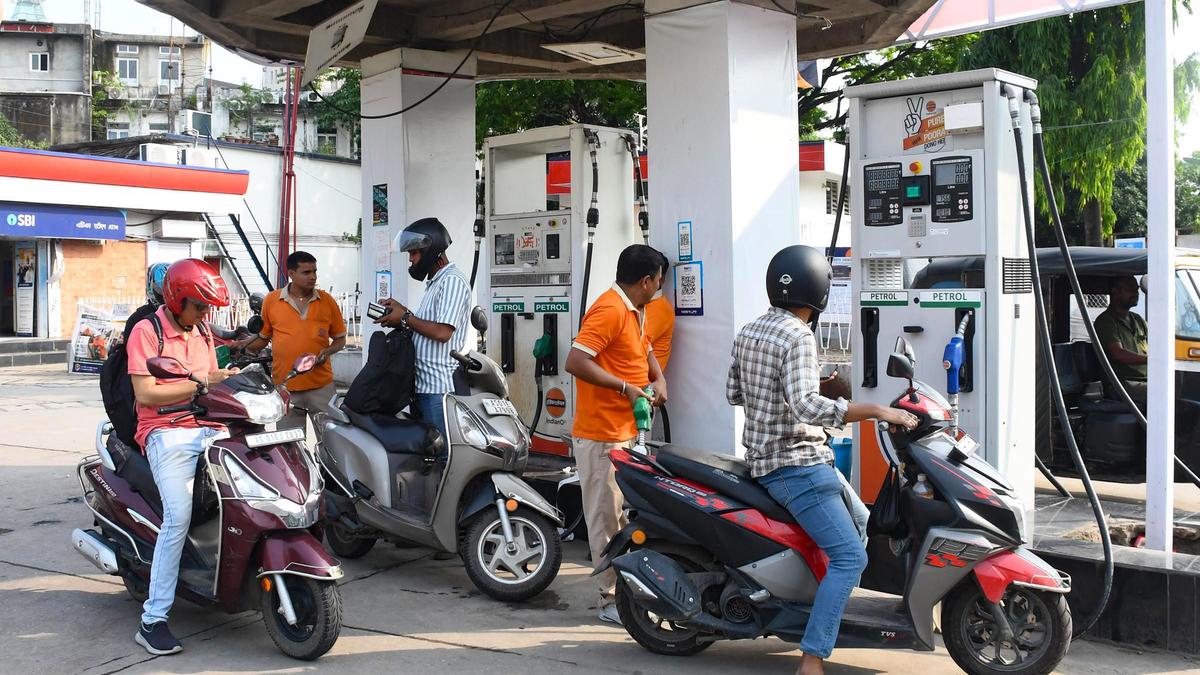
Kolkata Fuel Prices Hold Steady Amid Cost Pressures
Fuel prices in Kolkata remained unchanged on August 26, with petrol at ₹113.51 per litre and diesel at ₹99.82 per litre, keeping transport costs elevated for households, commercial operators and city businesses. The stability offers short-term predictability, but the relatively high pump prices continue to influence commuting, logistics and the wider cost of moving people and goods across the metropolitan economy.
The latest figures indicate that Kolkata has seen little movement in retail fuel rates in recent weeks. Petrol has remained at ₹113.51 per litre, while diesel has held at ₹99.82. Data tracking the city’s fuel market also shows diesel staying at the same level through most of August, highlighting a period of price stability rather than relief for consumers.For Kolkata’s urban economy, the impact extends beyond private motorists. Diesel is widely used across goods transport, commercial vehicles, construction activity and other logistics operations. When fuel costs remain high, businesses may face greater operating expenses, while some of those costs can eventually feed into prices paid by consumers.Petrol prices also matter to the city’s commuters. Kolkata’s dense urban structure means millions of daily trips depend on a mix of private vehicles, buses, taxis, app-based mobility and other forms of transport.
Stable fuel prices can help businesses plan expenses, but prolonged high rates can still place pressure on household budgets, particularly for workers travelling longer distances between residential areas and employment centres.The wider fuel market is shaped by several factors. International crude prices remain a major input because India imports much of its crude oil. Currency movements can also affect procurement costs, while central and state taxes, dealer commissions, transportation expenses and local market conditions influence the final retail price.That makes fuel pricing an important urban planning issue as well as a household expense. Cities that rely heavily on petrol and diesel-powered mobility remain exposed to external energy shocks. Greater investment in reliable public transport, walking and cycling infrastructure, cleaner vehicle technologies and efficient urban logistics can reduce that exposure over time.
For Kolkata, the immediate picture is one of price stability rather than a reduction in mobility costs. The next concern for citizens and businesses will be whether this stability persists, while longer-term urban policy will determine how effectively the city can reduce its dependence on volatile fossil-fuel costs without limiting access to jobs, services and economic opportunities.