


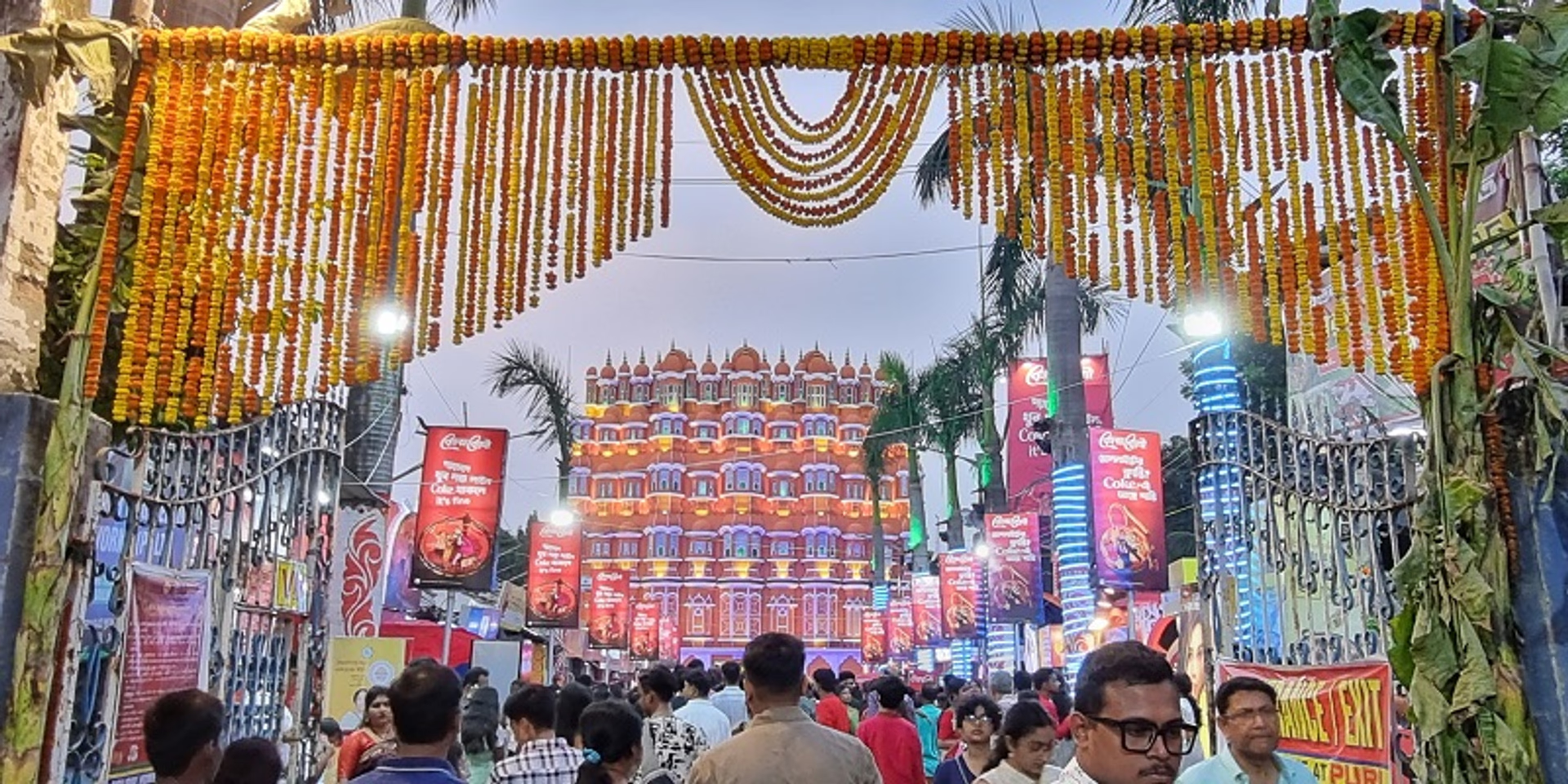
A prominent cultural institution in Kolkata marked its foundation anniversary with a large-scale public event, underscoring the role of legacy organisations in sustaining the city’s creative economy and social fabric.
The celebration, which brought together artists, performers, and local communities, highlights how cultural infrastructure continues to shape urban identity while contributing to economic and civic life.The event featured a range of performances and community-led activities, reflecting Kolkata’s long-standing tradition of blending formal cultural spaces with grassroots participation. Urban experts note that such institutions serve as anchors for creative expression, offering platforms for both established and emerging talent. In a rapidly evolving city landscape, these spaces provide continuity, preserving cultural heritage while adapting to contemporary forms of engagement.Beyond their cultural significance, institutions like these play an important economic role. Events tied to anniversaries and festivals generate footfall that supports nearby businesses, including retail, food services, and transport.This ripple effect reinforces the importance of integrating cultural planning into broader urban development strategies, particularly in cities where heritage and tourism are key economic drivers.
The anniversary celebration also draws attention to the need for sustained investment in cultural infrastructure. As urban land use patterns shift and commercial pressures intensify, maintaining accessible and inclusive cultural spaces becomes increasingly challenging. Planners emphasise that safeguarding such institutions requires policy support, funding mechanisms, and adaptive reuse strategies that allow them to remain viable without compromising their public-oriented mission.From a sustainability perspective, cultural events are increasingly being viewed through the lens of environmental responsibility. Large gatherings necessitate efficient waste management, energy use, and transport planning. Embedding sustainable practices into event design is becoming essential as cities strive to balance cultural vibrancy with climate-conscious development.The gathering further reflects a broader trend in Indian cities, where cultural programming is being leveraged to strengthen community cohesion and urban resilience. By creating shared public experiences, such events foster a sense of belonging and inclusivity, which are critical components of people-centric urban development.
As Kolkata continues to evolve, the role of its cultural institutions will remain central to shaping a balanced urban narrative—one that integrates economic growth with heritage preservation and social inclusivity. The anniversary celebration serves as a reminder that investment in cultural ecosystems is not merely symbolic but foundational to building cities that are both dynamic and liveable in the long term.
Also Read:Kolkata Comic Con Boosts Urban Experiential Economy
