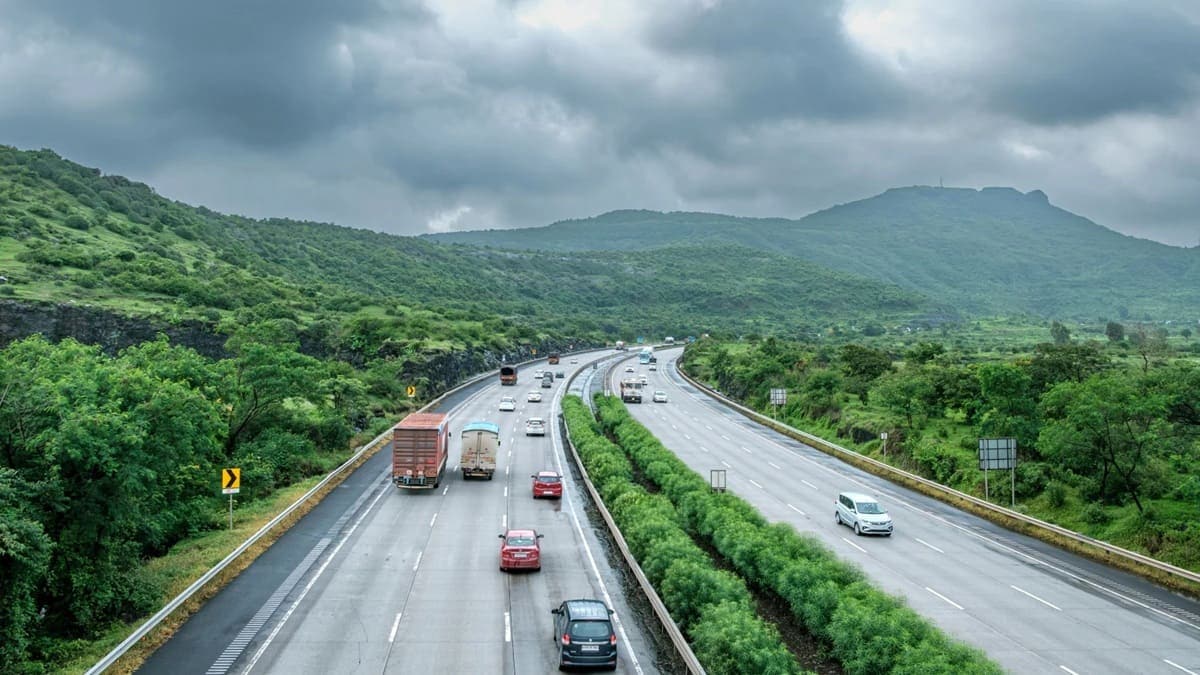
Kolkata’s wider logistics network could see indirect gains from the latest push on Odisha’s coastal highway, but the benefits will depend on how the corridor eventually connects towards Digha in West Bengal. The immediate development is the receipt of 17 bids for a 160.18-km Rameshwar–Paradip section, a ₹8,300.79-crore project intended to create an alternative route to existing highways serving eastern India.
The project is part of a longer 346-km coastal alignment originally planned between Rameshwar in Odisha and Digha in West Bengal. For Kolkata, that unfinished eastern link is important because Digha provides the potential interface between Odisha’s coastal transport network and West Bengal’s road and logistics system. However, the currently tendered section stops at Paradip, meaning any direct connectivity benefit for Kolkata remains dependent on progress on the remaining corridor.The immediate construction package has been divided according to projected traffic demand. The 79.4-km Rameshwar–Konark section is planned as a four-lane access-controlled road, while the 80.7-km Konark–Paradip section will have two lanes with paved shoulders. The government has adopted the Hybrid Annuity Model, under which public and private financing responsibilities are shared during development and operation.
For the eastern economy, the strategic value extends beyond faster passenger travel. Paradip Port is one of the region’s major freight gateways, while the corridor is also expected to improve links with tourism centres, emerging ports and logistics facilities. A better coastal road network could eventually provide businesses with additional routing options, reducing dependence on congested sections of existing national highways.That matters for Kolkata because the city sits within a larger eastern freight ecosystem rather than operating as an isolated market. Road connections between West Bengal, Odisha and port-linked industrial areas influence the movement of goods, construction materials and agricultural products. A more distributed network could also reduce pressure on established routes, although the actual benefit will depend on last-mile connections and efficient links into Kolkata’s metropolitan transport system.There is also an environmental lesson in the project’s history. Earlier versions of the coastal highway faced delays linked to environmental clearances and concerns around ecologically sensitive areas. The revised alignment was shortened and designed to avoid several sensitive coastal and wildlife locations.
The next test is therefore not simply whether construction begins, but whether the wider corridor is delivered with strong environmental safeguards and meaningful connections to existing settlements and transport networks. For Kolkata, the proposed Digha-side continuation will ultimately determine whether an Odisha coastal investment becomes a broader eastern connectivity asset or remains largely a state-level highway project.