


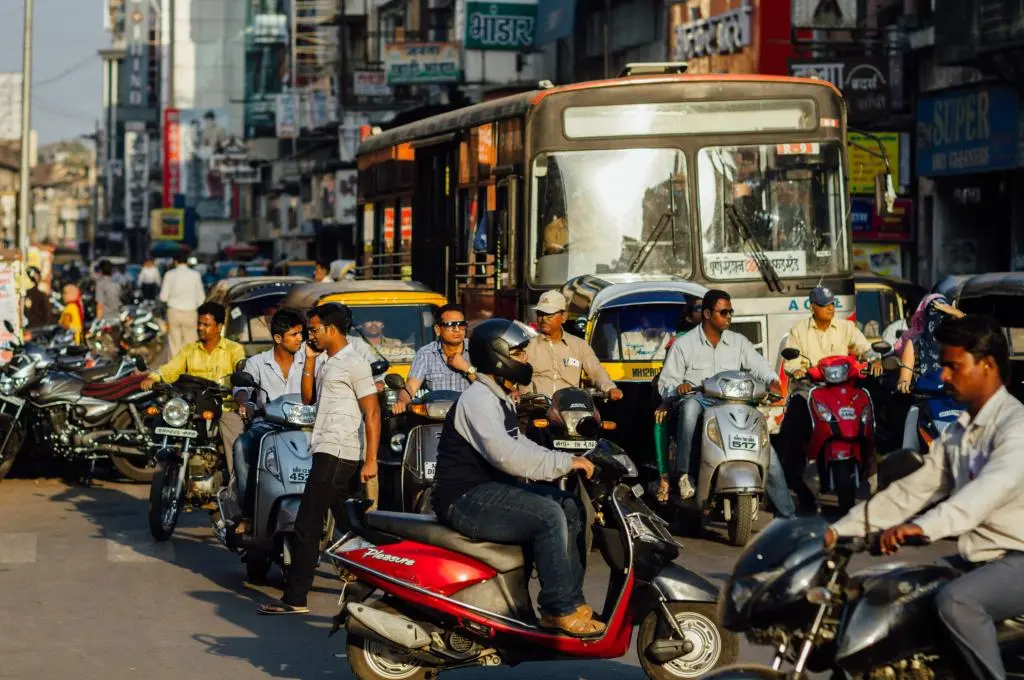
Periodic restrictions on two-wheelers in Kolkata are triggering fresh concerns among daily commuters, many of whom rely on motorcycles for affordable and flexible travel.The policy, introduced as part of traffic management measures during sensitive periods, is now drawing attention to its wider impact on urban mobility and commuter costs.
Residents across several neighbourhoods have questioned whether alternative arrangements adequately compensate for the disruption caused by these curbs. For a significant segment of the population, especially those in lower and middle-income groups, two-wheelers remain the most accessible mode of transport. The absence of clear, affordable substitutes on restriction days has intensified debate around equity in urban transport policies.Urban mobility experts suggest that the issue goes beyond temporary inconvenience. The recurring nature of such restrictions exposes gaps in Kolkata’s public transport network, particularly in last-mile connectivity and service frequency. Without reliable alternatives, commuters are often forced to shift to costlier options such as app-based cabs or informal transport services.The Kolkata bike ban impact is especially pronounced among gig workers, delivery personnel, and small business operators whose livelihoods depend on daily mobility.Any disruption directly affects income, highlighting how transport policies can intersect with economic vulnerability in urban settings.Transport planners argue that while traffic control and safety considerations are valid, implementation must be accompanied by robust mitigation strategies. These could include increasing bus frequency, expanding shared mobility options, and ensuring integration between different modes of transport.
Temporary fare adjustments or targeted subsidies have also been suggested as ways to ease the financial burden on commuters.From a sustainability perspective, the situation presents a complex trade-off. While reducing vehicle numbers can lower congestion and emissions in the short term, forcing commuters into less efficient or higher-emission alternatives may offset these gains.A long-term solution would require strengthening public transport systems and encouraging low-carbon mobility options such as cycling and electric transit.The Kolkata bike ban impact also raises questions about urban inclusivity. Policies that do not account for the diverse needs of commuters risk widening existing inequalities.Gender, income level, and occupation all influence how individuals experience mobility restrictions, making it essential for city authorities to adopt a more nuanced approach.City officials are expected to review feedback and assess whether additional support measures are necessary.
Experts emphasise that data-driven planning, combined with citizen engagement, can help design policies that balance safety, efficiency, and inclusivity.As Kolkata continues to navigate the challenges of managing a growing urban population, the debate highlights a critical need: building a transport system that is resilient, affordable, and responsive to the realities of everyday commuters.
Also Read:Kolkata Heatwave Impact Raises Urban Climate Risks
Kolkata transport limits spark commuter cost debate
